
UK's annual inflation rate for September remained unchanged and well above the Bank of England’s target, official data showed on Wednesday, maintaining pressure on the Labour government ahead of its key budget next month.
The Office for National Statistics (ONS) said in a statement that the Consumer Prices Index (CPI) stood at 3.8 per cent in September, the same as in August.
While the figure was slightly better than forecasts of a rise to 4.0 per cent, it remains higher than the Bank of England’s target of 2.0 per cent.
"All of us in government are responsible for supporting the Bank of England in bringing inflation down," chancellor Rachel Reeves said, expressing disappointment with the latest data.
"I am determined to ensure we support people struggling with higher bills and the cost of living challenges, deliver economic growth and build an economy that works for, and rewards, working people," she said.
Reeves has hinted at possible tax rises in her budget on November 26 to help balance public finances.
Prime Minister Keir Starmer’s government had increased a tax on businesses in its first budget last October, a move that experts say has affected UK economic growth.
Official data released on Tuesday showed government borrowing reached a five-year high in September.
The ONS said on Wednesday that lower prices for recreational and cultural activities, including live events, helped contain inflation last month.
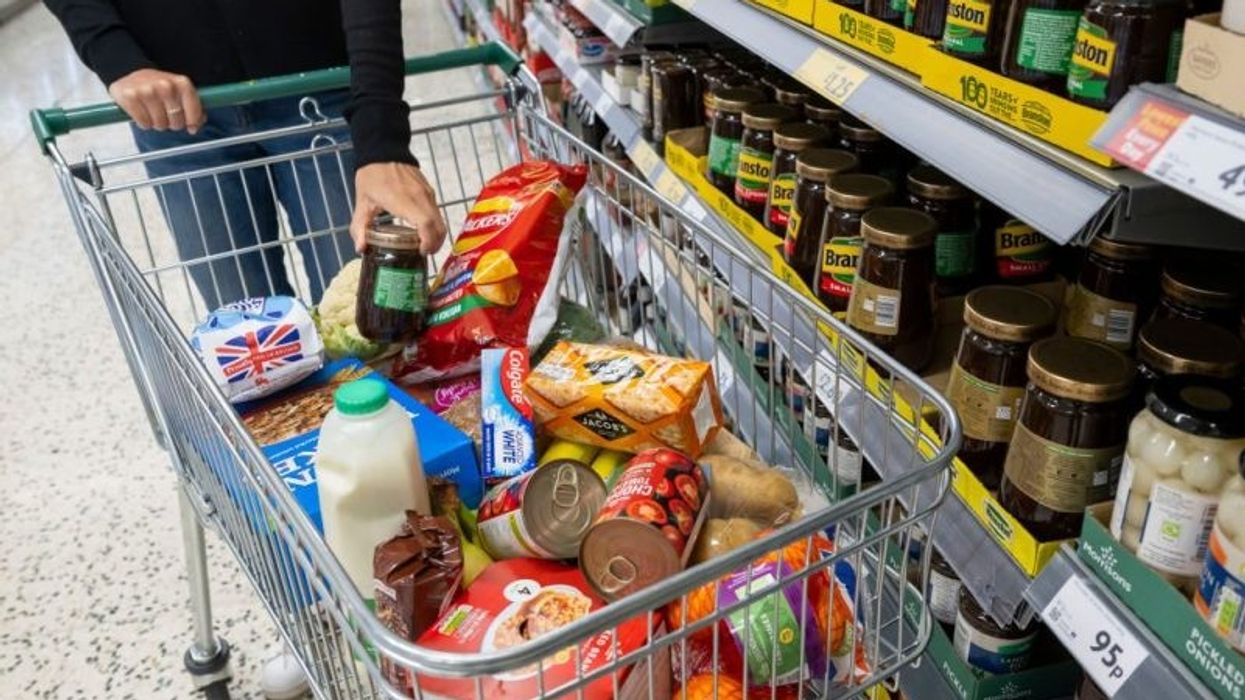
"The cost of food and non-alcoholic drinks also fell for the first time since May last year," said ONS chief economist Grant Fitzner.
Petrol prices and airfares were also lower compared to a year earlier.
Economists are now watching to see whether the steady inflation rate will prompt the Bank of England to cut interest rates again later this year — a move that would reduce pressure on borrowers but affect savers.
"Inflation remains stubbornly high, reinforcing expectations that the Monetary Policy Committee will hold interest rates steady on November 6," said Richard Flax, chief investment officer at Moneyfarm.
"With headline inflation nearly double the target, any talk of rate cuts remains premature," he added.