
Highlights
- Transport costs, "particularly motor fuels", were the biggest driver, up 4.6 per cent year-on-year
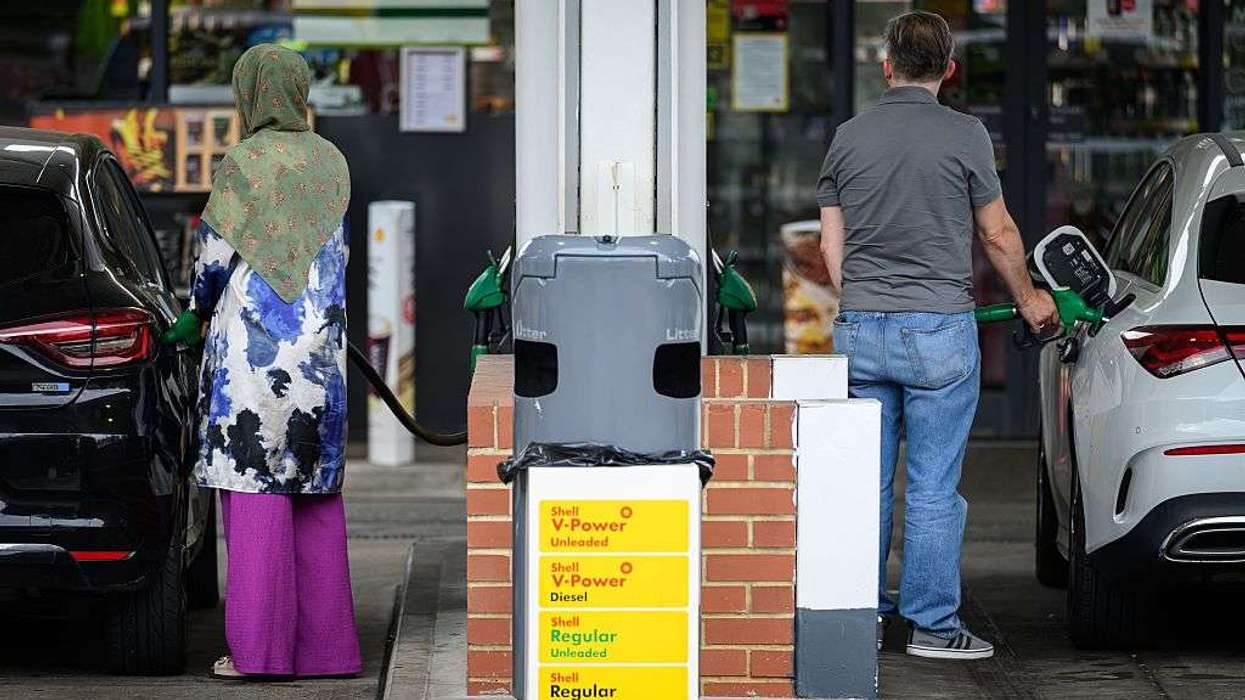
- Petrol prices rose 9.1 pence per litre between July and August 2026, against a 0.3 pence rise in the same period last year
- Bank of England expected to hold interest rates at 3.75 per cent on Thursday (17)
- Chancellor John Healey's budget is due on October 28
BRITAIN's annual inflation rate climbed to 3.1 per cent in the 12 months to August, up from 2.9 per cent in July, official data showed on Wednesday (16), as the Middle East war drove up fuel prices, according to the Office for National Statistics.
The ONS said transport, "particularly motor fuels", made the largest upward contribution to the monthly change. Prices in the transport division rose by 4.6 per cent in the 12 months to August 2026, up from 3.6 per cent in July.
"The average price of petrol rose by 9.1 pence per litre between July and August 2026, compared with a rise of 0.3 pence per litre between July and August 2025," the ONS said.
It puts pressure on prime minister Andy Burnham and chancellor John Healey to ease the cost of living for households ahead of the Labour government's budget update next month, due on October 28.
Shadow chancellor Andrew Griffith said "every family will pay the price for Labour's choices". He accused the government of heaping costs on employers, which he said "are being passed on to consumers in the weekly shop", adding: "And their mad energy policies are pushing up costs and leaving Brits exposed."
Liberal Democrat Treasury spokesperson Daisy Cooper said the figures should be a "wake up call" for the government, and that the war in the Middle East "is once again hitting British families hard".
She called for Healey to "launch negotiations for a new growth and defence deal with Europe at the upcoming Budget" to "grow our economy and make it stronger in the face of global turmoil".
Healey said the war in the Middle East was impacting inflation "worldwide", but that the UK economy was "proving resilient". He said the government had "taken early action to help families and [give] businesses breathing space, by cutting tax on electricity bills, capping bus fares at £2 and lowering rates for pubs, social clubs and live music venues".
Families and businesses feel the strain
Nursery worker Emma Ashfield, from Northern Ireland, said the rising cost of raising her eight-year-old daughter was putting pressure on her family.
Everything is just extremely expensive," she said, pointing to food, gas, electricity and clothes. "You are trying to keep food on the table, [buy] clothes, trying to provide for them," she said. "You would basically need a second job."
Goran Raven, owner of petrol station business RJ Raven in Essex, said trade was down. "Things are down. We've got lots of pressure on us at the moment. I'd say we're about 20 per cent down on this time last year," he said.
"The margins here are wafer-thin on fuel. People like to think we're earning a lot on it. Unfortunately, we really aren't. It's single digits of pence we earn per litre."
Richard Carter, head of fixed interest research at Quilter Cheviot, said: "With the situation in the Middle East looking increasingly fraught, the expectation is that inflation will continue to climb higher until the end of the year at a minimum.
"For the government, today's figures are a kick in the teeth for an administration that wants to make easing the cost of living its central mission."
The Bank of England is forecast to hold its benchmark interest rate at 3.75 per cent on Thursday (17).