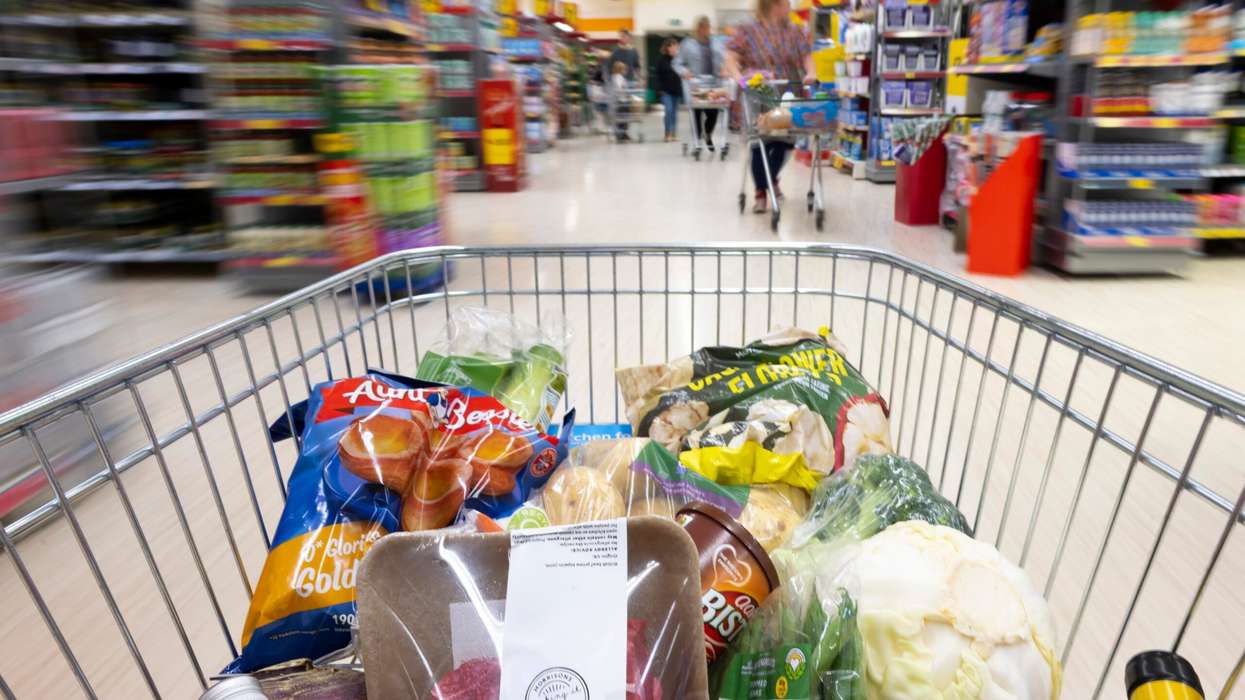

UK HOUSEHOLDS faced fresh pressure in July as inflation jumped to 2.9 per cent, with higher energy bills driving the rise, official figures showed on Wednesday.
The Consumer Prices Index rose 2.9 per cent in the 12 months to July, up from 2.6 per cent in June, the Office for National Statistics said.
UK economy growth slows to 0.4 per cent in second quarter
The rise followed a 13 per cent hike in the price cap on household energy bills that took effect last month, a consequence of the ongoing US-Iran war.
The ONS called it “the largest rise in gas prices for almost four years”.
Prime minister Andy Burnham has pledged to ease cost-of-living pressures, unveiling measures such as a tax cut on household electricity prices and a cap on bus fares.
“Iran war inflation continues to impact prices here at home, but Britain's economy is resilient,” finance minister John Healey said in response to the latest figures.
How Indian companies are rescuing the British economy
“There is more to do to restore hope and build a stronger economy where prosperity is shared more fairly across Britain” he added.
Analysts expect inflation to rise towards the end of the year as higher energy costs feed through to bills further, with little signs of a deal to end the Middle East war.
The Bank of England held its benchmark interest rate at 3.75 per cent last month despite inflation remaining far above its two-per-cent target.
Ageing Population Could Drive UK Debt to Record Highs
“A renewed spike in inflation has been expected as the war in the Middle East continues to navigate a clunky ceasefire,” said Jonathan Raymond, investment manager at Quilter Cheviot.
“Things remain far from normal in the Strait of Hormuz and look unlikely to be resolved any time soon, meaning pressure is likely to remain on prices for the remainder of the year at least,” he added.