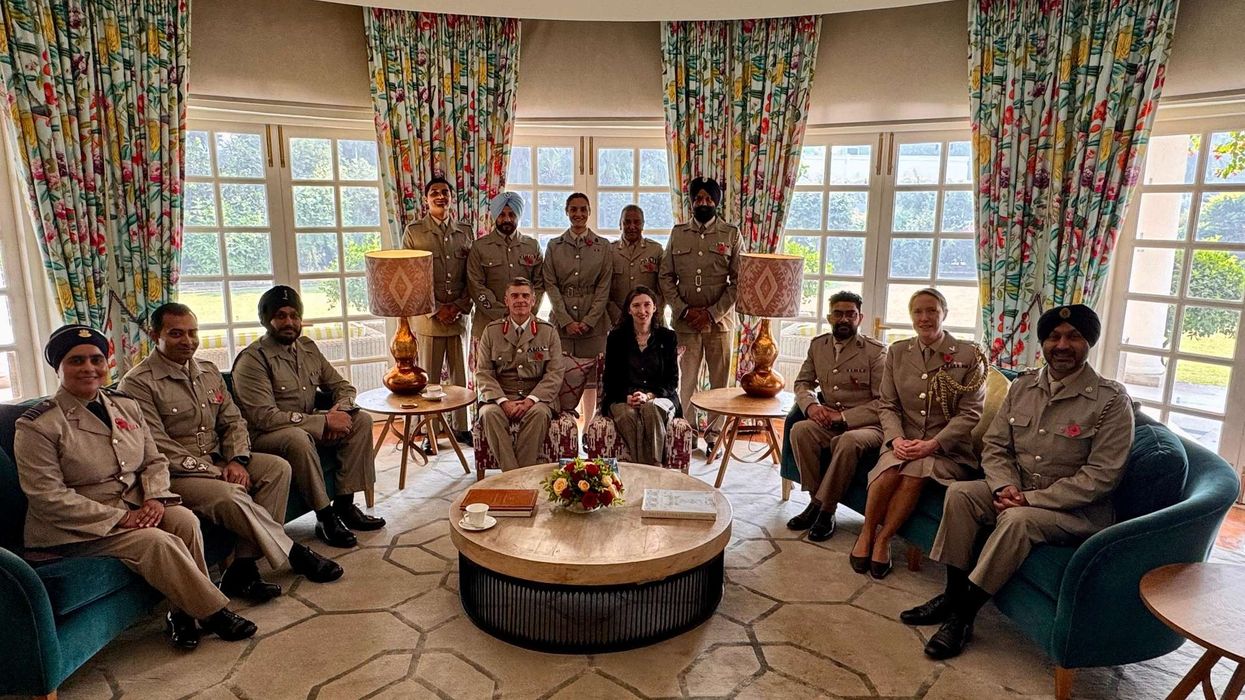

In November 2025, a British Army delegation undertook a heritage visit across northern India that became a landmark moment in recognising shared military history and strengthening people to people connections between India, the United Kingdom, and the global Indian community.
The visit was led by Major Munish Chauhan MBBS MRCS PGDip RAMC, the only Indian born surgeon serving in the British Army, who acted as the Project Officer for the tour. While this profile carried symbolic significance, the defining strength of the visit lay in the collective professionalism, humility, and discipline of the delegation as a team.
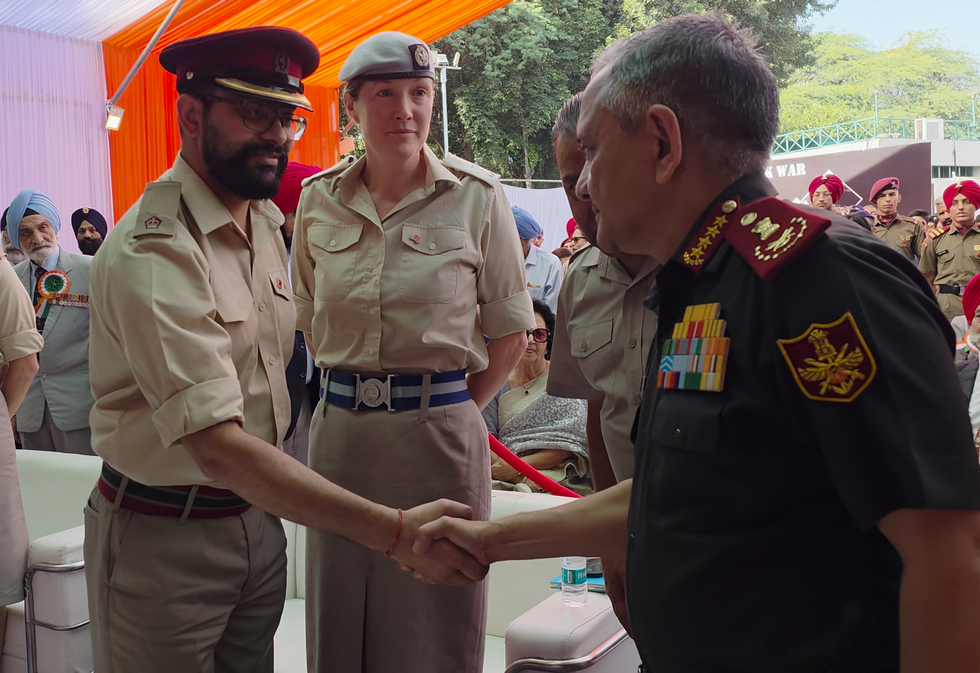
More than four million Indian soldiers served during the First and Second World Wars, with forty awarded the Victoria Cross. Despite this extraordinary contribution, their stories have often remained underrepresented in public remembrance. This visit placed those soldiers, their families, and their communities at the centre of engagement, restoring visibility and dignity to a shared legacy of sacrifice.
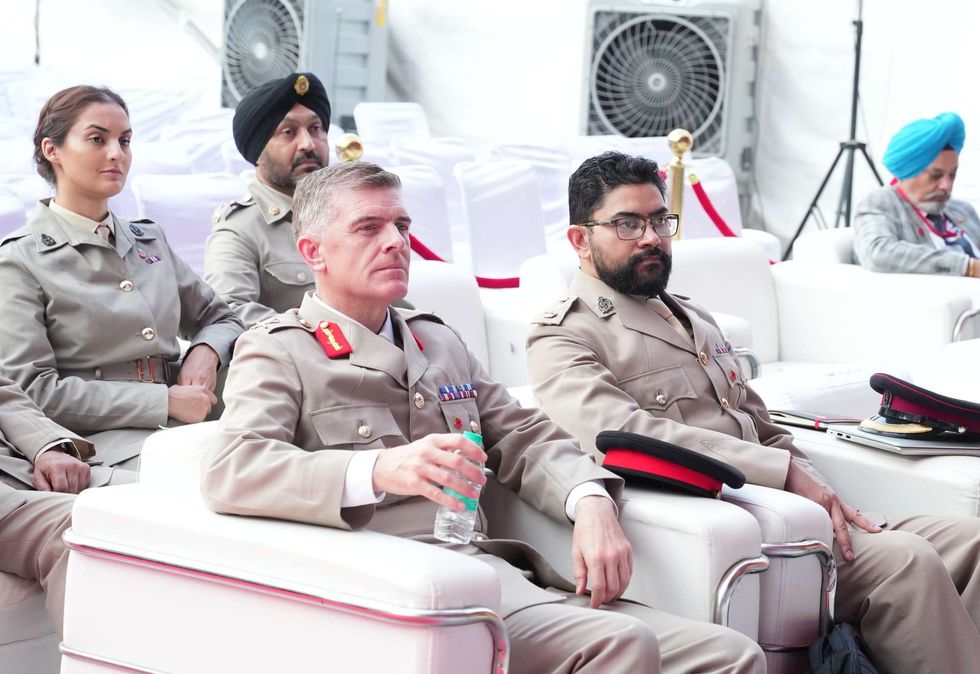
One of the most significant moments of the tour was the Remembrance Parade at the Delhi War Cemetery. This marked the first time a British Army delegation had conducted a formal remembrance ceremony at this site. Delivered with dignity and precision, the parade honoured Indian soldiers who fought alongside British forces and resonated deeply with veterans’ families, civil authorities, and local communities. It stood as a powerful acknowledgement that shared sacrifice must be met with shared remembrance.
Another historic milestone took place in Himachal Pradesh, where the delegation became the first British Army team to formally visit a Hindu temple as part of an official heritage and cultural engagement. This act reflected respect for faith, tradition, and local identity, and demonstrated that meaningful defence engagement is rooted in cultural understanding rather than ceremony alone.
Over twelve days, the delegation travelled through Punjab, Himachal Pradesh, Chandigarh, Delhi, and Mewar. Engagements included visits to the villages of Victoria Cross recipients, commemorations at the Saragarhi memorials, and meetings with families whose ancestors had served with distinction. In one village, a family offered to hand over their father’s Burma Campaign medals, an extraordinary gesture of trust that was respectfully declined, recognising that such history belongs first with families and their communities.
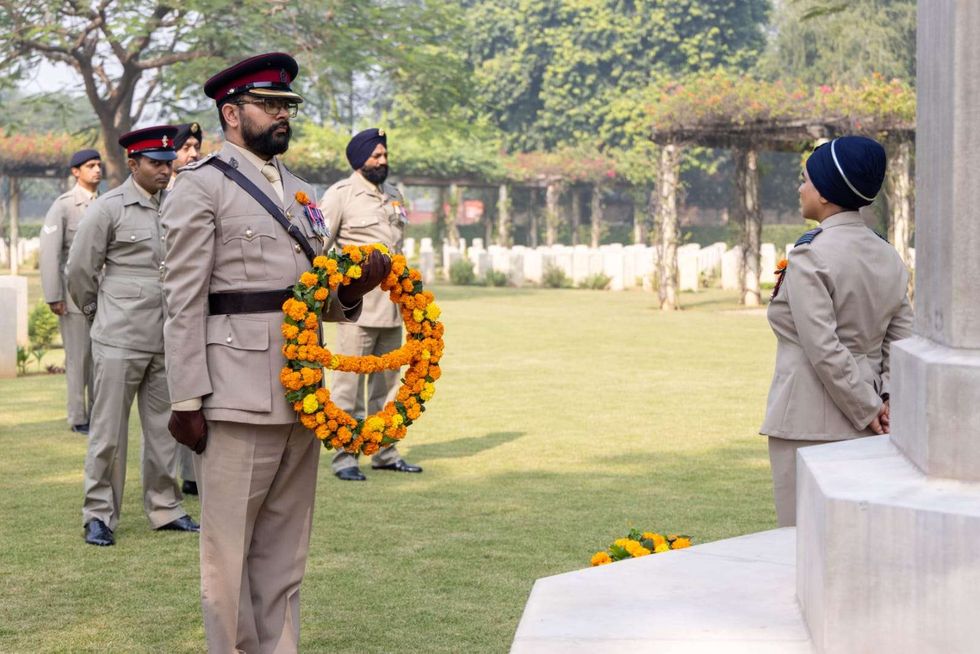
The programme extended well beyond commemoration. Through school visits, youth interactions, and community engagement, the delegation created space for open conversations about service, leadership, and shared values. Participation in the Military Literature Festival in Chandigarh provided an international platform to discuss military history and remembrance in a thoughtful and inclusive manner. In Mewar, the delegation explored Rajput military traditions and met the Maharana of Mewar, deepening mutual respect for India’s diverse martial heritage.
Throughout the visit, the conduct of the delegation stood out. Long days, demanding travel, and tightly scheduled engagements were met with teamwork, discipline, and quiet professionalism. The delegation consistently demonstrated humility and respect, reflecting the values of the British Army in an authentic and human way. These behaviours, more than symbolic events, built trust at a community level.
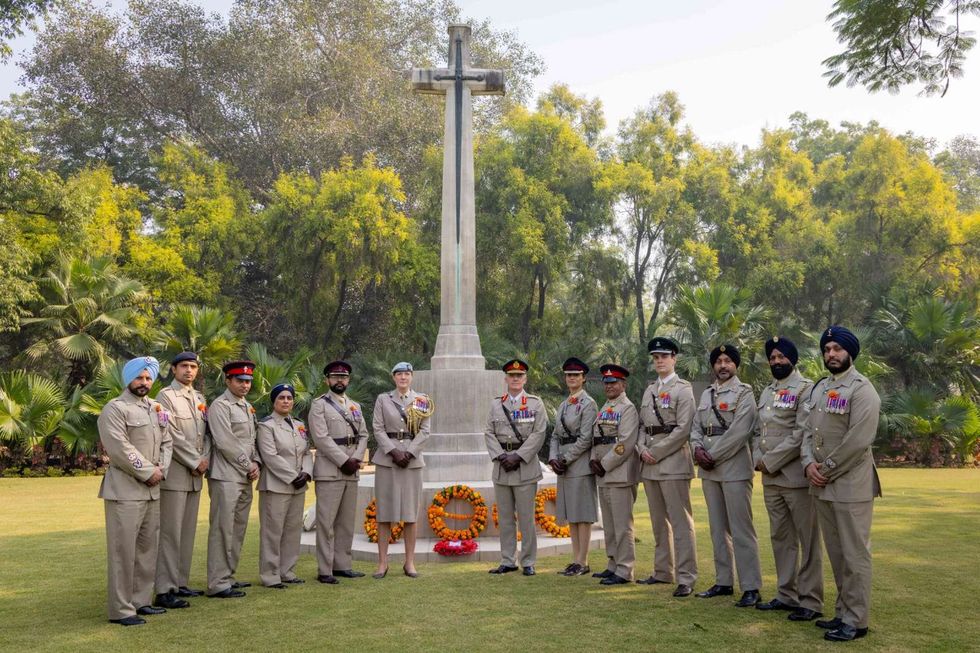
For the Indian community in the United Kingdom, the visit carried particular meaning. It reinforced that Indian heritage is not peripheral to British military history but integral to it. The presence of an Indian born officer in a leadership role provided visible representation, while the collective effort of the team highlighted that remembrance is a shared responsibility rather than an individual pursuit.
From a leadership perspective, the visit demonstrated the importance of servant leadership and cultural intelligence. By listening first, honouring local narratives, and placing people before protocol, the delegation fostered genuine connection and lasting credibility. This approach reflects modern leadership and coaching principles where influence is built through trust, empathy, and consistency of action.
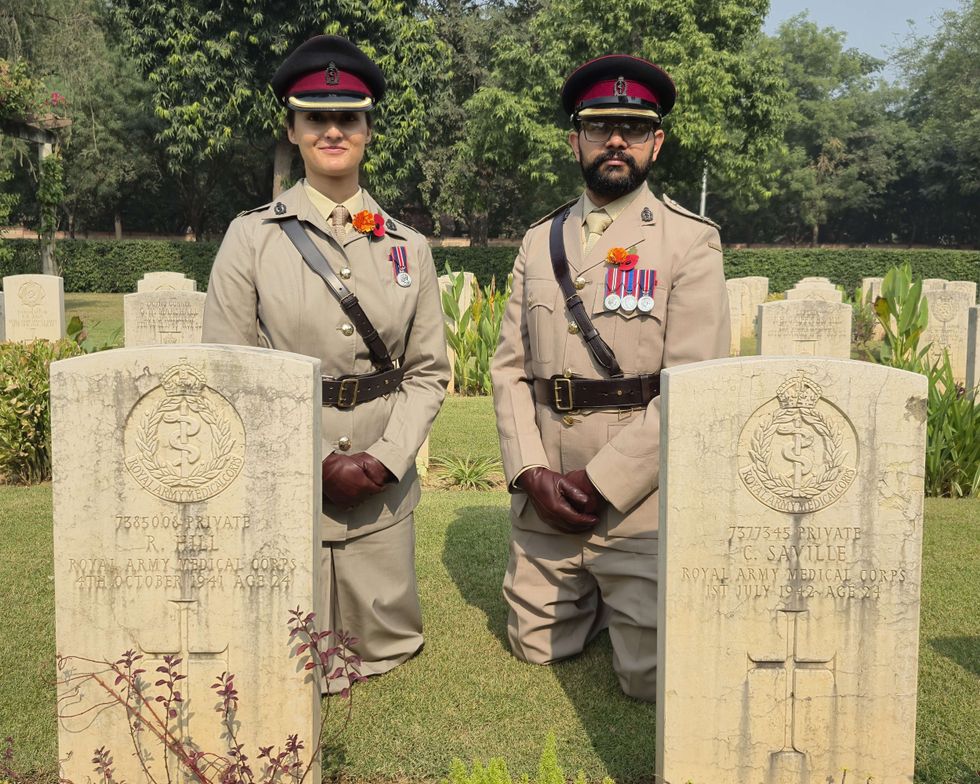
The impact of the visit extends well beyond November 2025. It strengthened bilateral trust, increased awareness of the British Army’s historic links with India, and opened opportunities for future educational, cultural, and defence collaboration. Most importantly, it restored dignity and visibility to stories that deserve recognition across generations.
This visit was not about nostalgia alone. It was about ensuring that remembrance informs present leadership and shapes future relationships. For India, the United Kingdom, and the wider Indian diaspora, shared history, when honoured with sincerity and respect, becomes a powerful foundation for unity, learning, and mutual understanding.
The accompanying photographs capture moments of remembrance, community engagement, and reflection, reminders that history lives not only in archives, but in people, places, and relationships.




 Dr Kalpana Lakhani Garavi Gujarat