

Britain has proposed a cut in value-added tax, or VAT, to help households with the cost of living, The Times reported on Thursday.
Prime Minister Boris Johnson's chief of staff Steve Barclay suggested reducing the 20% headline rate of the tax, the report said, adding a temporary cut would reduce the tax bill for millions.
According to the Times, in his letter to party lawmakers on the day of a confidence vote last month, Johnson said energy would be devoted to "reducing the biggest single household outgoing of all — the tax bill. It must come down, and it will, because that is the best way to deliver the growth we need."
The British government did not confirm the report. A source close to Barclay said decisions on tax matters would be taken by Johnson and his finance minister and that ministers have been told to follow up on commitments made in that letter.
British inflation, which reached 9.1% last month, is at its highest in four decades, contributing to strikes or threats of industrial action by workers across transport services, schools, postal services and hospitals.
(Reuters)





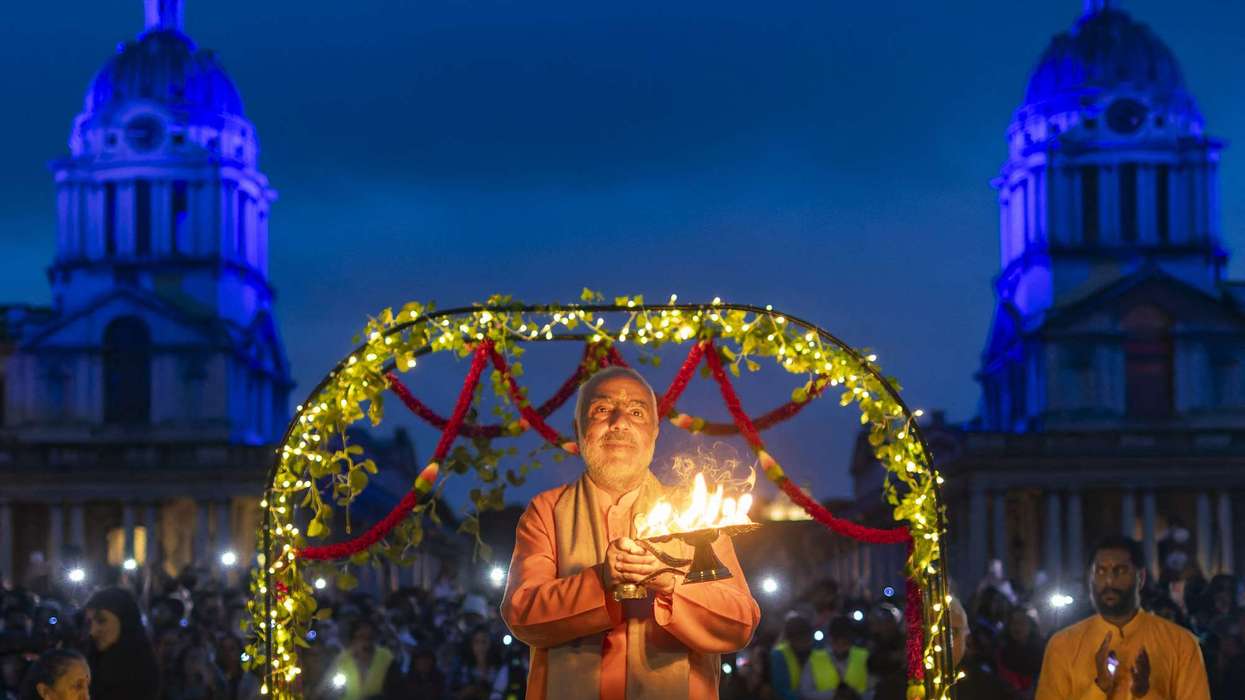
 Swami Chidanand Saraswati takes part in a "Ceremony of Light: Ganga Aarti on the Thames" traditional Indian ritual, in the Greenwich area of south-east London on September 13, 2026.Getty
 Participants take part a "Ceremony of Light: Ganga Aarti on the Thames" traditional Indian ritual, in the Greenwich area of south-east London on September 13, 2026.Getty
 Dancers arrive to take part in the ceremony.Getty
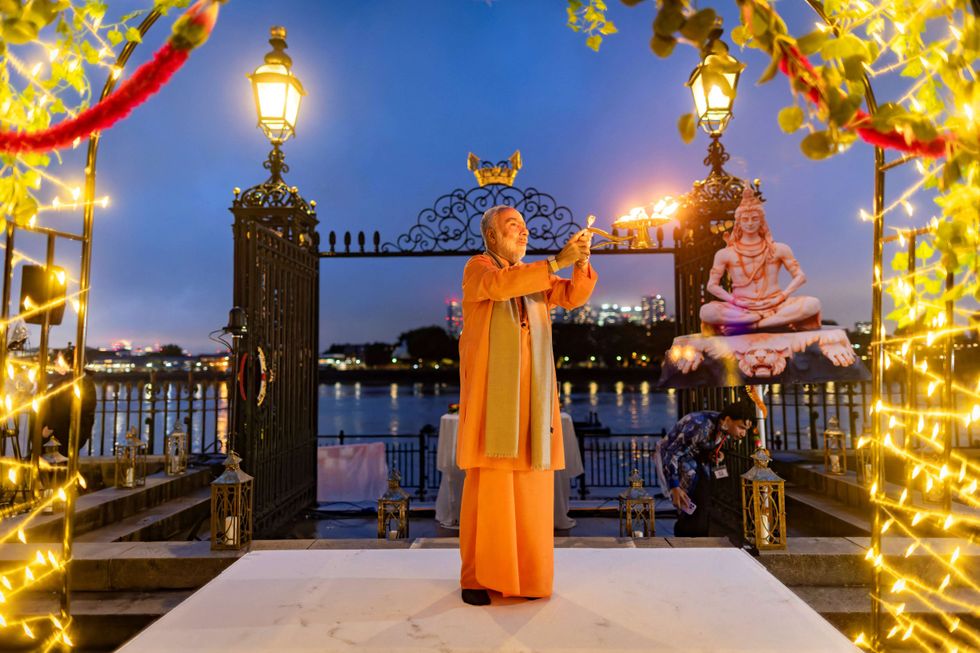 Swami Swaroopananda, global head of the Chinmaya Mission, takes part in the ceremony.Getty