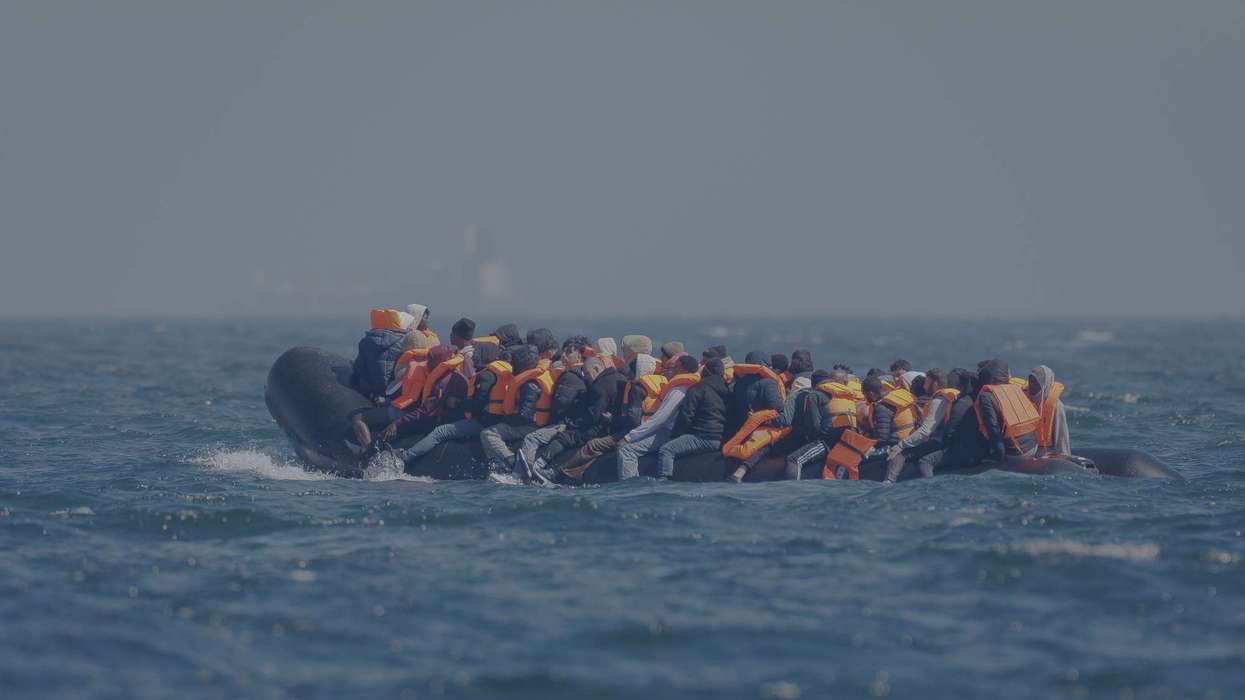

MIGRANTS are being crammed onto fewer, larger boats as people smuggling gangs, growing increasingly frustrated by a crackdown on their small boat supply, adopt new and more dangerous tactics, an investigation has found.
A 15-metre boat carrying a record 230 migrants drew condemnation from newspapers and politicians, with ministers accused of "losing control" of Channel crossings and French police again criticised for failing to intervene. According to the BBC, the image reflected a new strategy by the smugglers behind it, who attacked the visiting BBC crew with stones and injured their cameraman.
UK and France to tackle "mega dinghies" as Channel crossings continue
Rival criminal groups, now running low on boats, are working together to load more migrants onto fewer, larger vessels. Gang members have told BBC sources that more "mega-dinghies" are being prepared, alarming emergency teams on both sides of the Channel over the increased risk to life. On 4 August, 170 people had to be rescued after their boat caught fire in the middle of the Channel.
The UK and France are announcing measures to increase police numbers on the French coast, as Andy Burnham prepares to host President Emmanuel Macron at Downing Street for the first time since becoming prime minister.
Reform UK Reveals Royal Navy Plan for Small Boats
French officers claim they now intercept two-thirds of small boats before they reach the coast, driving prices up to €2,000 (£1,700) per person, from around €1,300 a year ago, with migrants now forced to pay cash upfront to prove commitment.
On Gravelines beach, BBC journalists watched a taxi boat from Belgium make five increasingly frantic collections over three hours, eventually pulling away into the world's busiest shipping lane with 82 people aboard. Left behind on the beach, a limp toddler was carried past the crew towards a police officer, who revived him with a light shake.
New sanctions to hit people smugglers and their enablers
Migrants are now sleeping in woods and dunes rather than camps to stay closer to pickup points, and waits between attempts now stretch to weeks or months rather than days, charity workers told the BBC.
The UK has praised French police for reducing crossings to a six-year low, but thousands are still crossing illegally every month.