
Skip to content
Search

Latest Stories

Economy stagnates in third quarter, revised data shows

The Office for National Statistics (ONS) reported that the GDP showed zero growth between July and September, down from the previously estimated 0.1 per cent growth.

Rachel Reeves

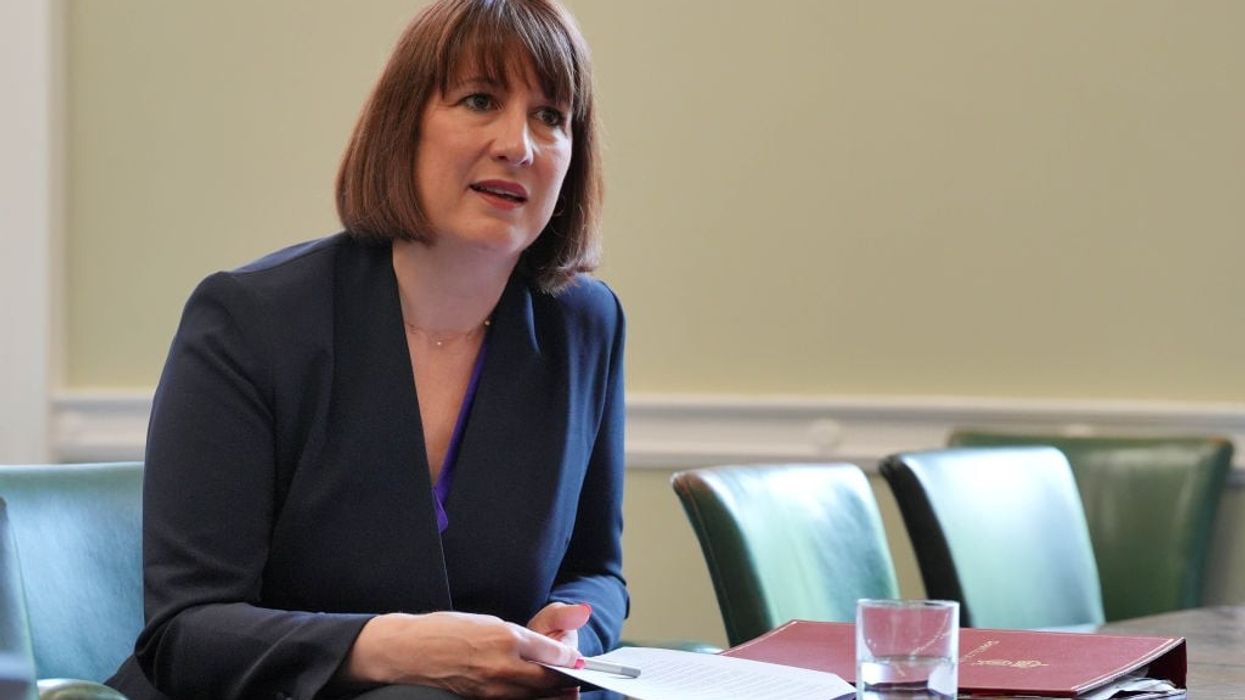
Chancellor Rachel Reeves responded to the figures, acknowledging the scale of the challenge. (Photo: Getty Images)

THE UK’s economy saw no growth in the third quarter, according to revised data released on Monday, marking a setback for the Labour government.

The Office for National Statistics (ONS) reported that gross domestic product (GDP) showed zero growth between July and September, down from the previously estimated 0.1 per cent growth.


The data covers the early period of the Labour government's tenure leading up to its first budget announcement at the end of October.

Chancellor Rachel Reeves responded to the figures, acknowledging the scale of the challenge.

“The challenge we face to fix our economy and properly fund our public finances after 15 years of neglect is huge,” she said. “But this is only fuelling our fire to deliver for working people,” Reeves added.

Economic forecasts had projected 0.2 per cent growth, and analysts pointed to pre-budget uncertainty as one reason for the weaker outcome, noting the impact of proposed business tax increases and higher state borrowing plans.

The ONS also revised the second quarter growth figure down to 0.4 per cent from 0.5 per cent.

Paul Dales, chief UK economist at Capital Economics, commented that the data indicated “the economy ground to a halt in the second half of the year due to a combination of the lingering drag from higher interest rates, weaker overseas demand and some concerns over the policies in the budget.”


(With inputs from AFP)

More For You

Three weeks, three months, or three years? The uncertain future of Keir Starmer

British prime minister Keir Starmer delivers a speech on shoplifting during the Union of Shop, Distributive and Allied Workers (Usdaw) conference at the Winter Gardens in Blackpool, north west England, on April 27, 2026.

Getty Images

Three weeks, three months, or three years? The uncertain future of Keir Starmer

Sunder Katwala

How much longer does Sir Keir Starmer have in Downing Street? The prime minister insists that he intends to carry on and fight the next general election, and to win it, too. Many others in Westminster see his premiership as more likely to last three weeks or three months than three years. The bookmakers’ odds suggest the prospects of Starmer leading Labour’s 2029 re-election bid have fallen to a one-in-ten chance.

There are many competing theories about whose actions could bring down the prime minister. Yet nobody can be certain they have the answers to Westminster’s Cluedo-style conundrum about what happens next.

Keep ReadingShow less