
A new report has warned that there is a growing ‘culture of extremism’ among the UK and European police forces, the Guardian reported.
The report by the Institute of Race Relations (IRR) has added that there is an increase in officers sharing racist and far-right content online.
It further said that UK policing has a growing extremist problem. In France, 81 per cent of gendarmes declared they would vote for far-right politician Marine Le Pen.
In European countries including France, Belgium, Germany and Hungary former high-ranking police officers became extreme-right mayoral and parliamentary candidates, the report added.
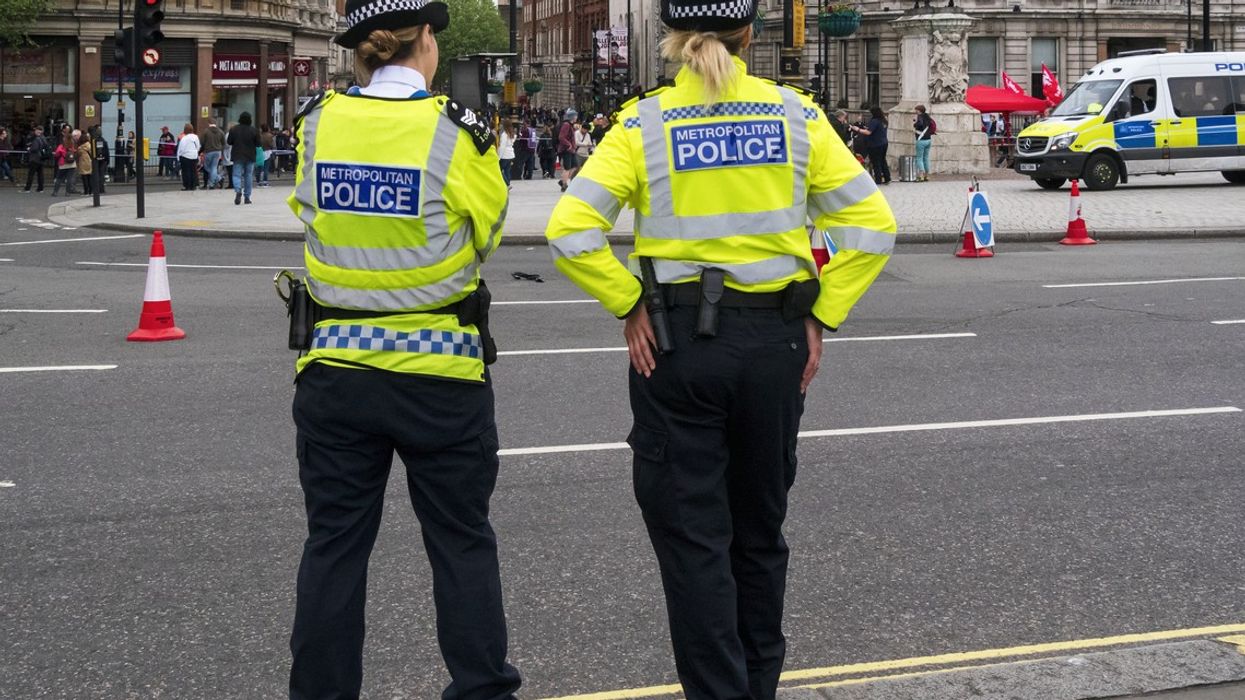
In the UK, the Metropolitan police officers shared images on WhatsApp of two murdered black sisters. At a central London station, officers were found to have joked about rape, killing black children and beating their wives.
The Met was last month placed on special measures after scandals including the murder of Sarah Everard by a serving Met officer, the strip-searching of innocent black children, and stop-and-search controversies, the Guardian report said.
Liz Fekete, director of IRR, told the Guardian that police officers are resituating themselves as society’s victims and organising on an ever more extremist agenda as racism has become entrenched in policing.
“Our conclusion that the dehumanising mindset and overall sense of impunity and entitlement displayed in police WhatsApp groups is a symptom, not a cause, of authoritarian trends in policing, will no doubt make for uncomfortable reading," Fekete was quoted as saying by the newspaper.
According to the report, the “thin blue line” avatar and hashtag are still seen on the Twitter feeds of police officers, including a safer neighbourhood team in London. In the US, the thin blue line avatar is associated with white nationalism.
Last December, concerns were raised about the Met’s Operation Pima in which 61 per cent of individuals identified within intelligence reports as the 'most prolific or violent offenders' in London were black.
Ilyas Nagdee, from Amnesty International, said the research is as discussions about 'alternative approaches to public safety' gained ground.
Last week, Mark Rowley was appointed as the Met’s new commissioner.





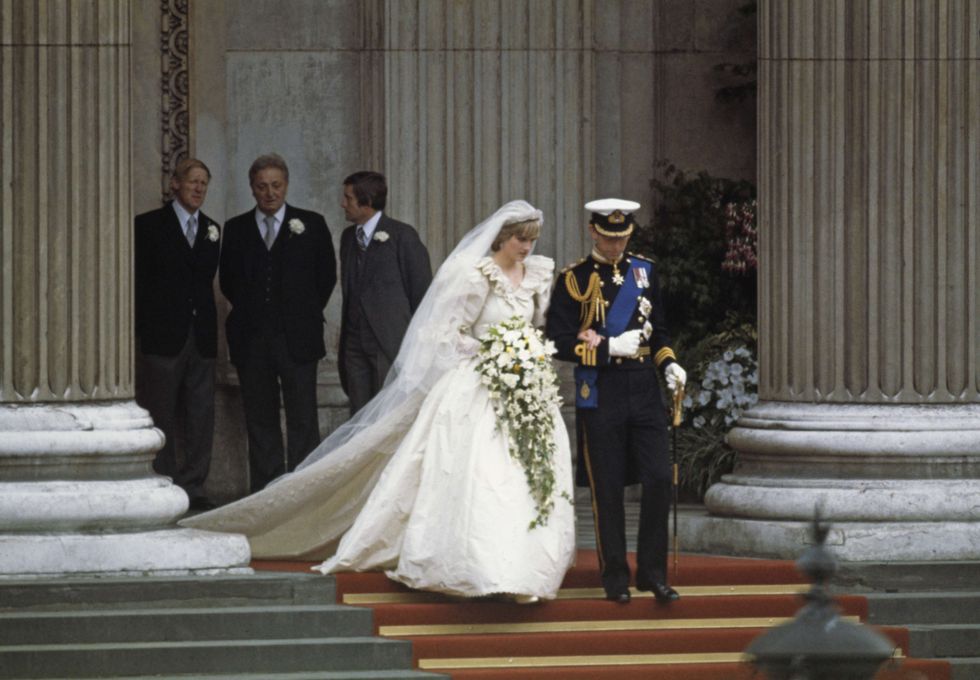 She quietly broke with centuries of royal tradition by omitting the word "obey"Getty Images
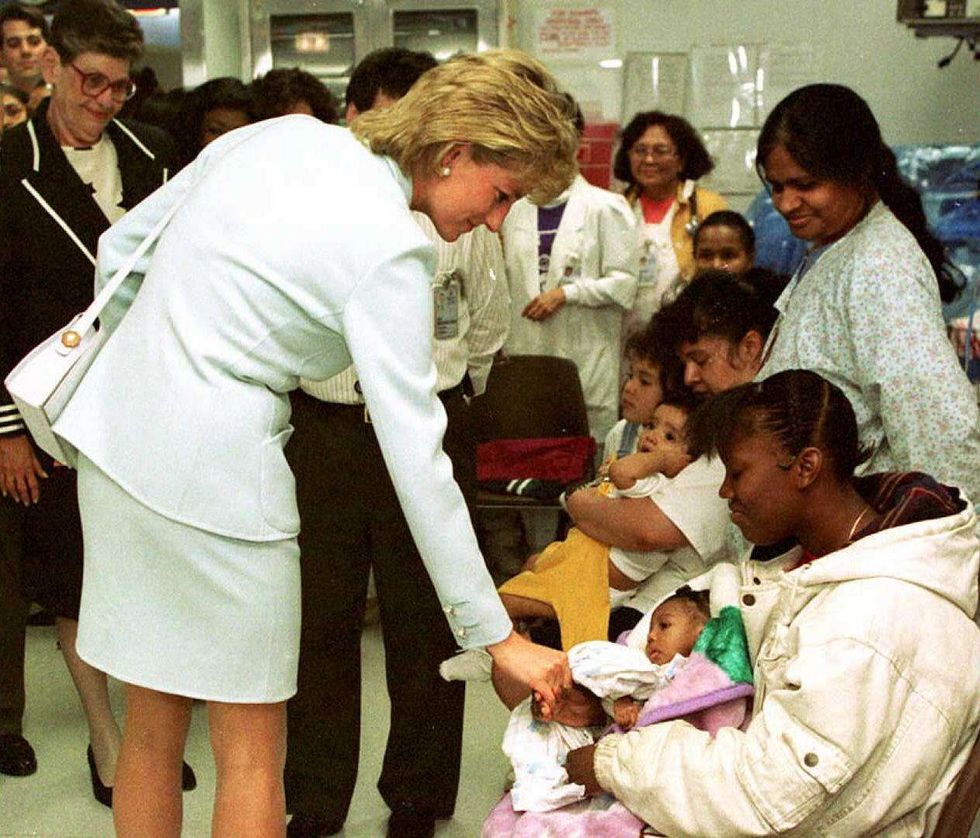 A royal who was often ahead of her timeGetty Images
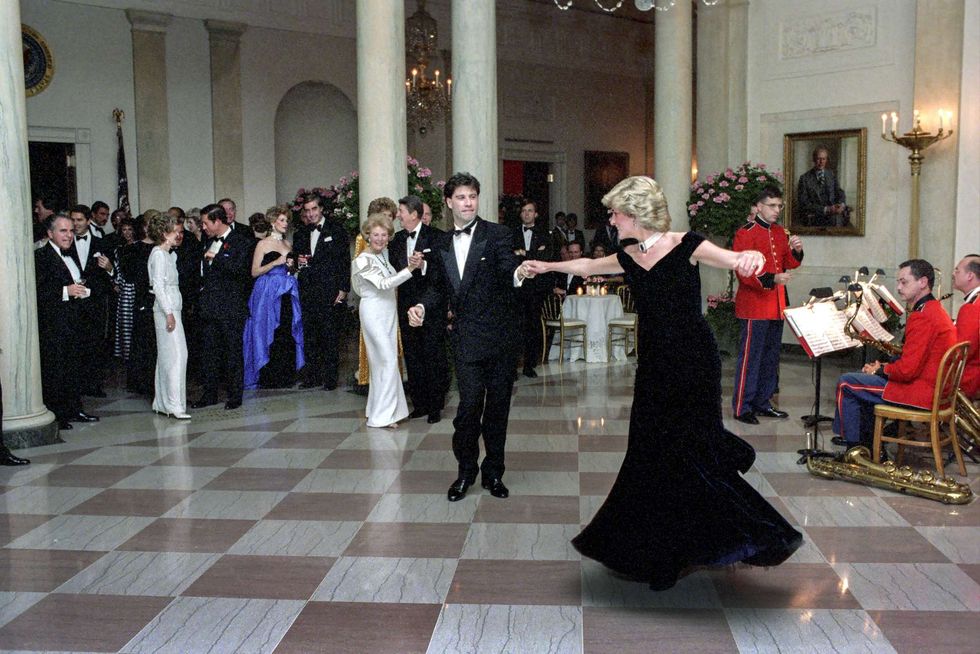 Her dance with actor John Travolta at the White House in an elegant off-the-shoulder velvet gownGetty Images
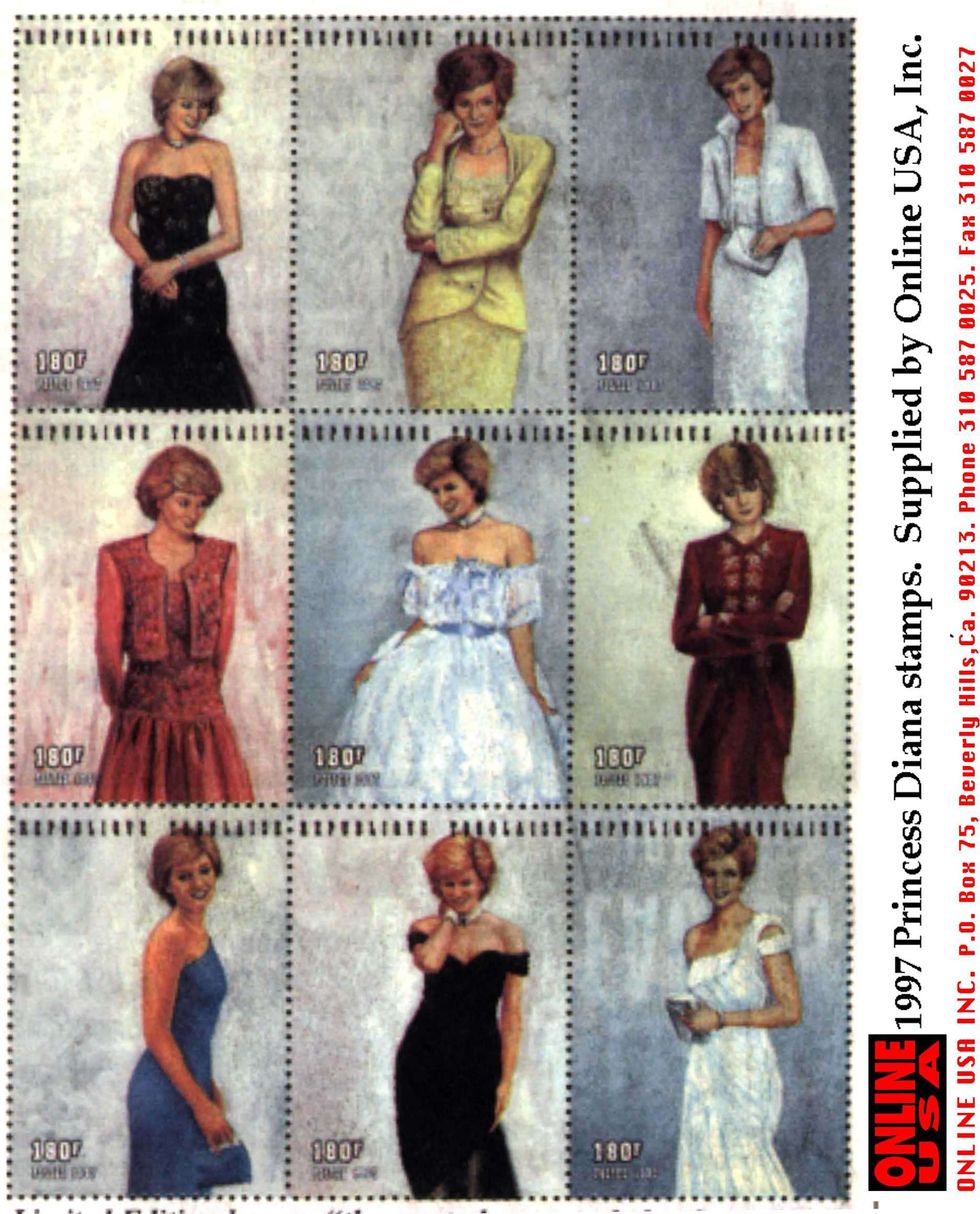 Diana transformed royal fashion by embracing bold, contemporary styles that often made headlinesGetty Images