Skip to content
Search

Latest Stories

Submit Guest Post

Tulsi Gabbard bats for 'enough free tests' for coronavirus in US

THE US presidential candidate and the first Hindu member of Congress Tulsi Gabbard on Thursday (12) said that testing for coronavirus is a "major issue" in the US.

She opined that testing should be free of cost for all.


In a video, shared on Twitter, she said: "I agree with much of what the president proposed, however, there are two things he did not address. One, the lack of availability of tests for coronavirus. The second, people don't need to pay for going and taking the test."

The US has suspended all travel from Europe, excluding the UK, to the US for the next 30 days to stop the spread of the novel coronavirus (COVID-19) that has claimed 37 lives and infected 1,300 in the country.

In another tweet, Tulsi said: "Major issue still is testing! There’s not enough, criteria too narrow. These tests must be easily accessible, free, quick results and no bureaucracy/red tape to get the test."

Reminding that everyone is together in this, Tulsi urged not to politicise the issue.

She is the only woman candidate for the Democratic nomination in the 2020 US presidential election.

Tulsi was elected to the Hawai‘i State Legislature in 2002 when she was just 21 years old, becoming the youngest person ever elected in the state.


Add EasternEye As Your Trusted Source
preferred source on google news

More For You

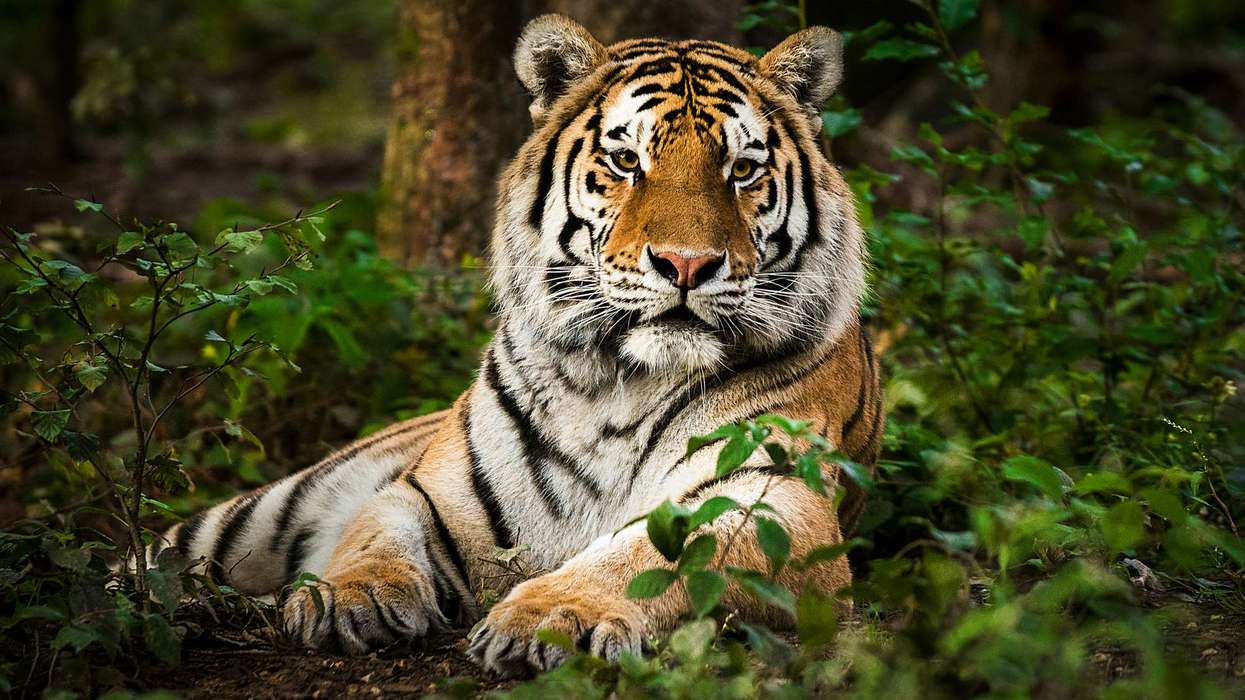
6 reasons there is an increase in tiger attacks in the last three years in India

These incidents reflect the growing challenge of managing encounters between people and tigers in India. Official figures cited in a India's Lok Sabha answer on 3 August 2026 recorded 74 deaths from tiger attacks in 2024 and 71 in 2025.

6 reasons there is an increase in tiger attacks in the last three years in India

Highlights:

  • India recorded 74 tiger-attack deaths in 2024 and 71 in 2025.
  • Habitat loss and growing tiger populations are pushing animals closer to human settlements.
  • Farmers, cattle grazers and villagers collecting forest produce face significant risks.
  • Crowds filming tigers can make encounters more dangerous, as incidents at Bandhavgarh and Ranthambore show.
  • Better habitat management, early warnings and responsible wildlife tourism could help reduce human–tiger conflict.

  • The fatal tiger attack at Yorkshire Wildlife Park in Doncaster has highlighted the dangers of close encounters with one of the world’s most powerful predators. The incident has also raised questions about human behaviour around wild animals and the risks of entering their space. While such incidents involving visitors are relatively rare, the threat of human–tiger conflict is a far more frequent concern in India, where dozens of people are killed by tiger attacks every year.

    Keep ReadingShow less