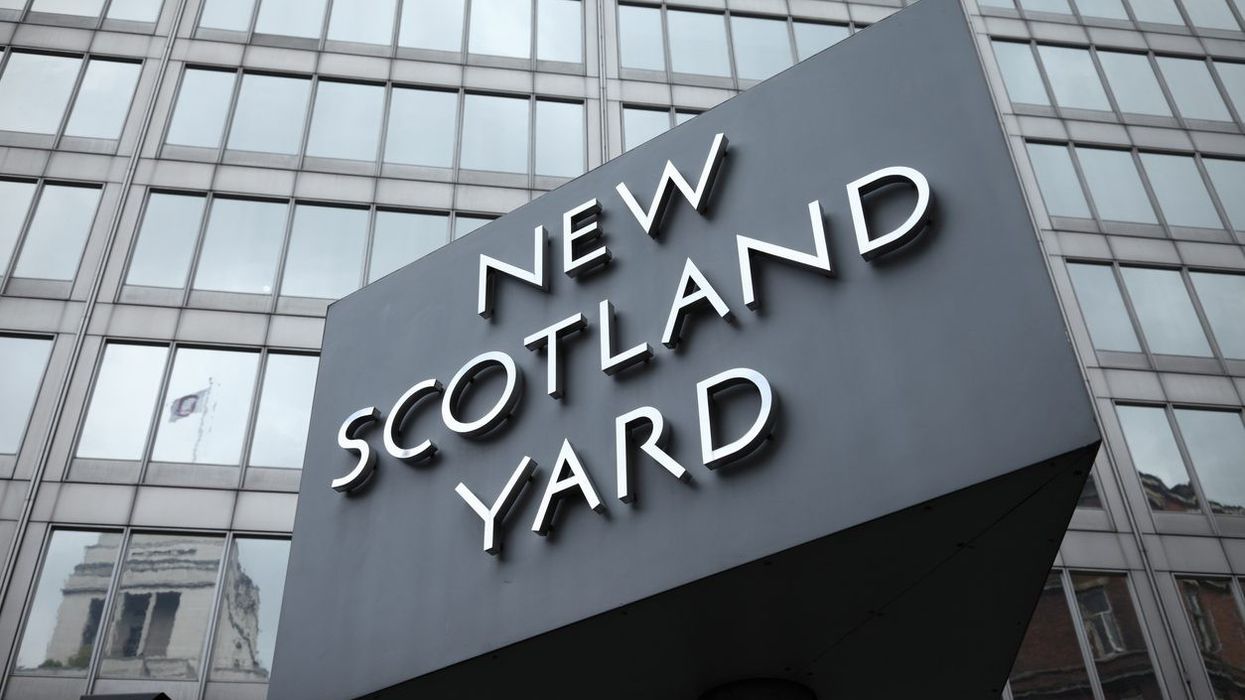

An employment tribunal has reprimanded the Scotland Yard for not allowing an Asian-origin detective to work from home despite his serious heart condition, The Times reports.
The detective, Tarik Ahmed (57), told the London employment tribunal that senior officers were aware of his ischaemic heart disease and the multiple heart attacks he had suffered.
However, they rejected his request to work from home permanently and pressured him to attend office.
The tribunal judge has backed his claim, putting Ahmed in line for a payout from the force. A hearing to determine compensation was scheduled for July.
Ahmed had worked in a desk role as a family disclosure officer and, as a result of his health, was put on restricted duties.
He could not perform frontline policing duties involving potential confrontation or sensitive work — and the detective was not required to undergo job-related fitness tests.
Ahmed had worked from home since 2020 and lawyers for the Metropolitan Police accepted that there was no operational reason why he was required to attend the office.
Ahmed’s predecessor had worked from home for seven years, the tribunal was informed.
In his ruling, Judge Barry Smith of a London employment tribunal said the police had failed to comply with its duty under equality legislation by refusing to allow Ahmed to work from home with six-monthly reviews.
The tribunal also said that Ahmed’s evidence was “consistent and credible” and was supported by occupational health records.
The judge said the force “crossed the line” by exerting continuous pressure on its detectives to return to the office.