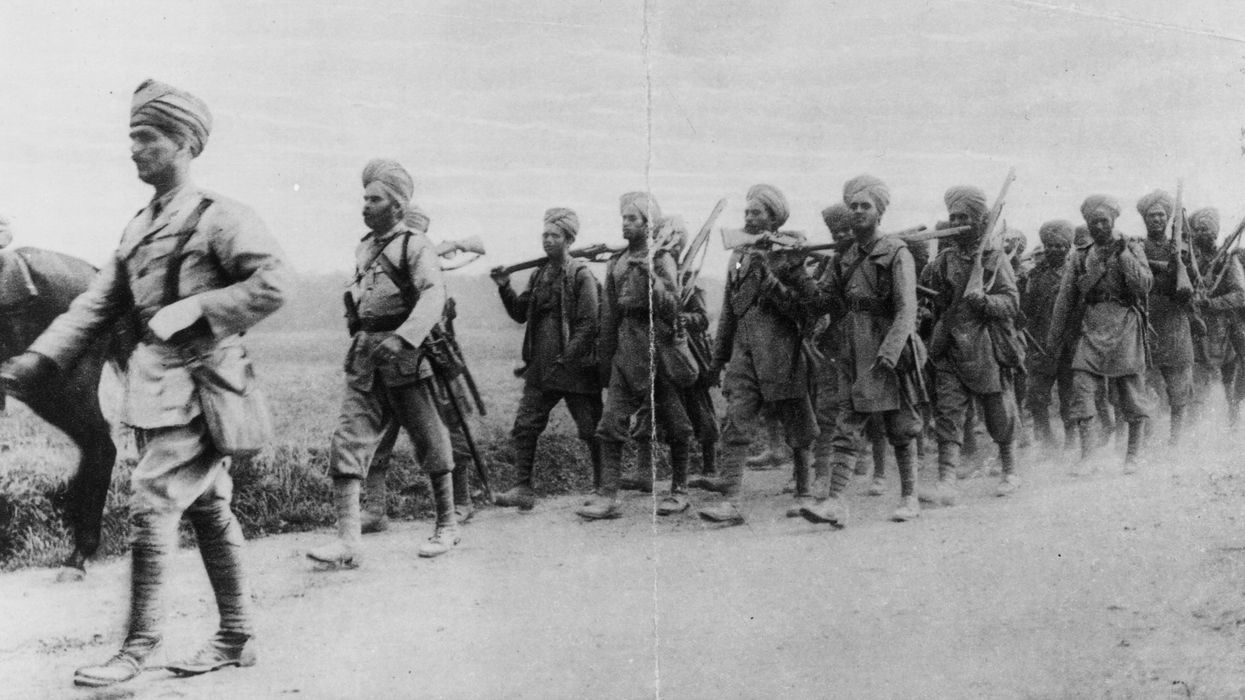

A HISTORIAN has uncovered more evidence of the contributions made by Indian soldiers during the First World War with the discovery of spice tins linked to the 1914 Christmas truce.
These tins, which were morale-boosting gifts, ended up with German soldiers when the Western Front fell silent, allowing soldiers to exchange handshakes, gifts, and even play football.
Professor Peter Doyle, a military historian at Goldsmiths, University of London, shared his findings in The Times.
He organised an exhibition about the truce at the Great War Huts Museum in Bury St Edmunds, featuring these tins. “The truce was not just a case of ‘Anglo-Saxon' to ‘Saxon' fraternisation,” Doyle said.
While Indian soldiers may have only observed the truce rather than actively participating, Doyle’s research connects them to the event.
The spice tins were a part of Christmas gifts organised by Princess Mary, the daughter of King George V. Unlike British soldiers, who received smoking kits, Indian soldiers’ tins were filled with spices and included a picture of Princess Mary.
Doyle, author of For Every Sailor Afloat, Every Soldier at the Front: Princess Mary’s Christmas Gift 1914, documented how Princess Mary, then aged 17, sought to send gifts to all soldiers on active service. His research led to the discovery of one of these spice tins—only the second known to exist.
He collaborated with German historian Robin Schafer, who found references in German archives to the tins during the truce. A German soldier, Wilhelm Althoff, recorded receiving figs and a metal box with spices from Indian soldiers.
Doyle and Schafer hope more tins may be discovered, as well as photographs of the event, since picture-taking was encouraged in German trenches to boost morale.
India, which then included Pakistan and Bangladesh under British rule, sent over 1.4 million soldiers to the war effort.
Historian Shrabani Basu has also documented their contributions in For King and Another Country: Indian Soldiers on the Western Front, 1914-18, reported PTI. She noted, “Today there are descendants of the soldiers living in Britain who can be proud of what their ancestors achieved.”




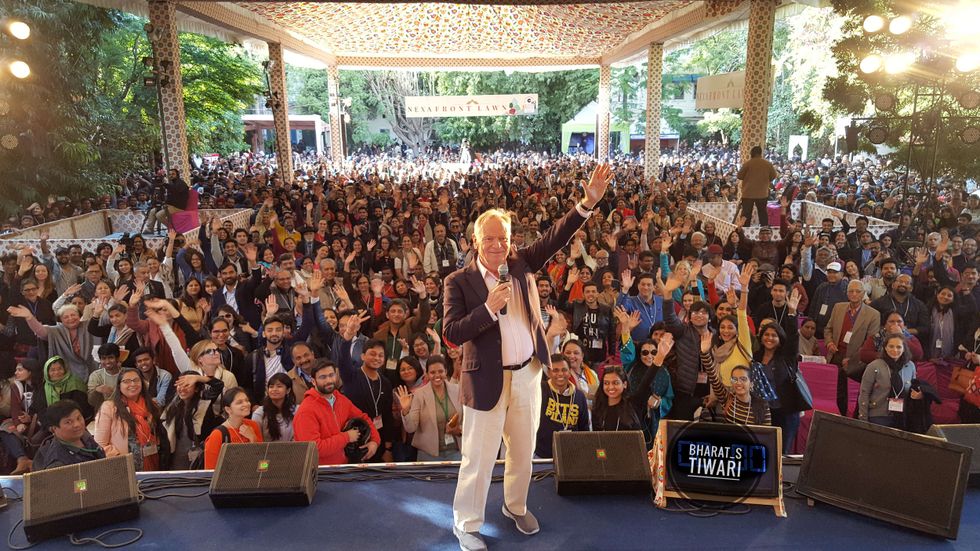 Jeffrey Archer at Jaipur Literary Festival in 2019Eastern Eye
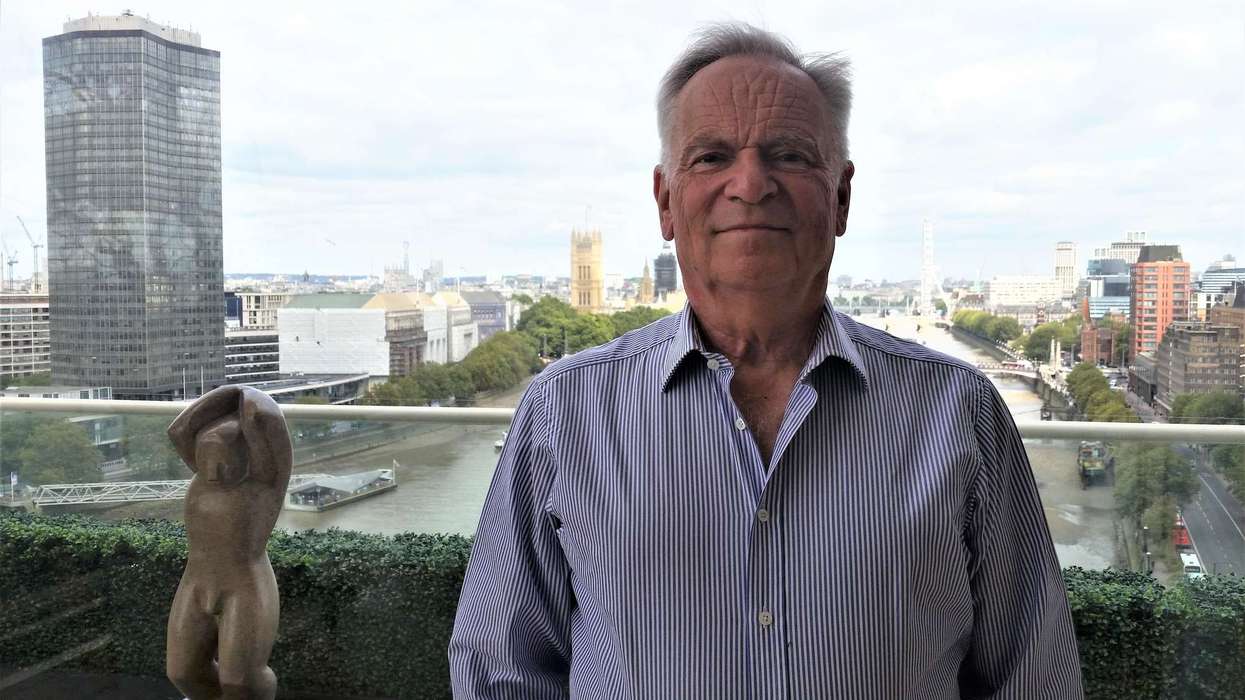
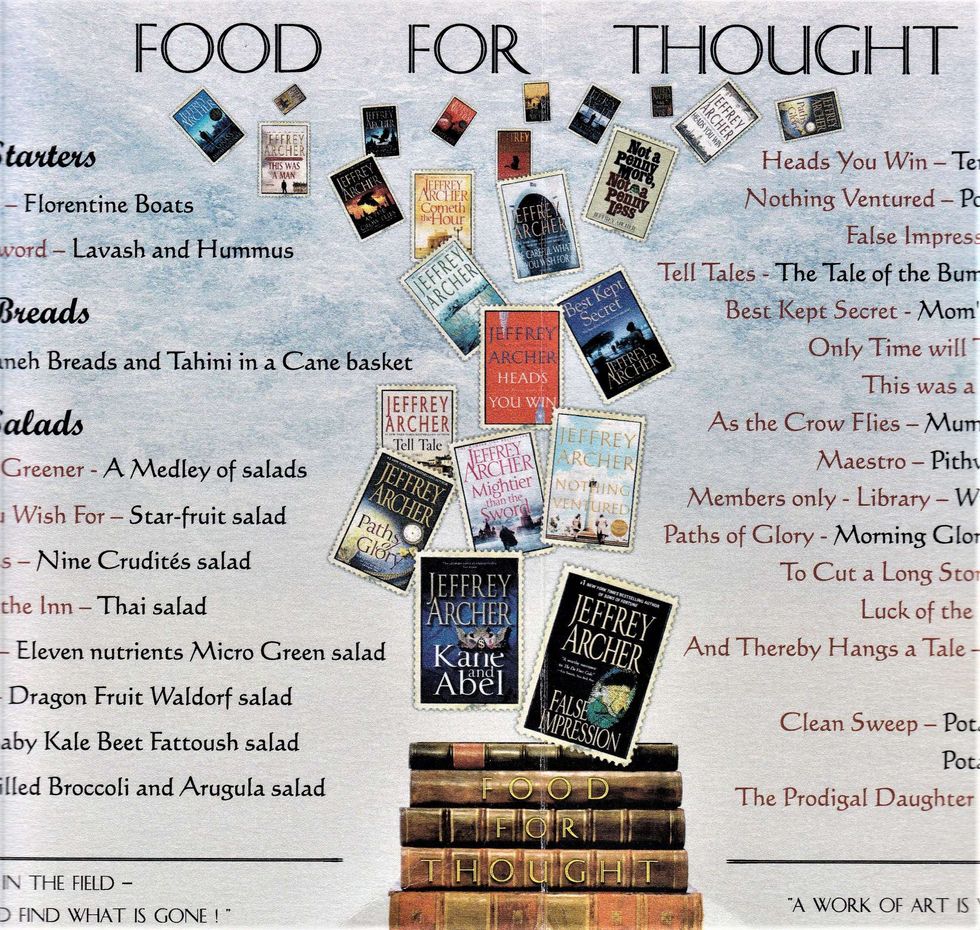 Jeffrey Archer part of the menuAmit Roy
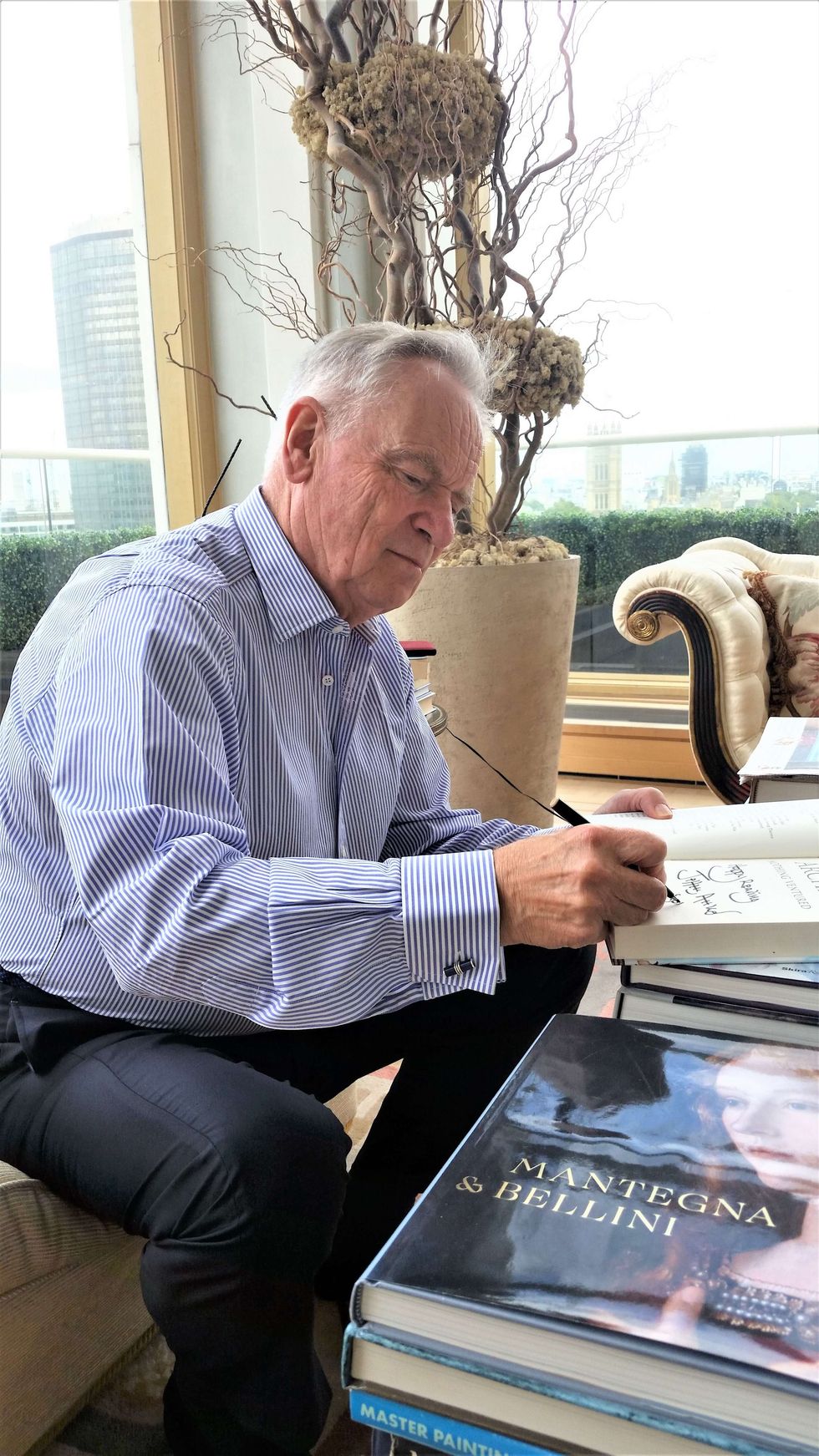 Jeffrey Archer signing a book Amit Roy
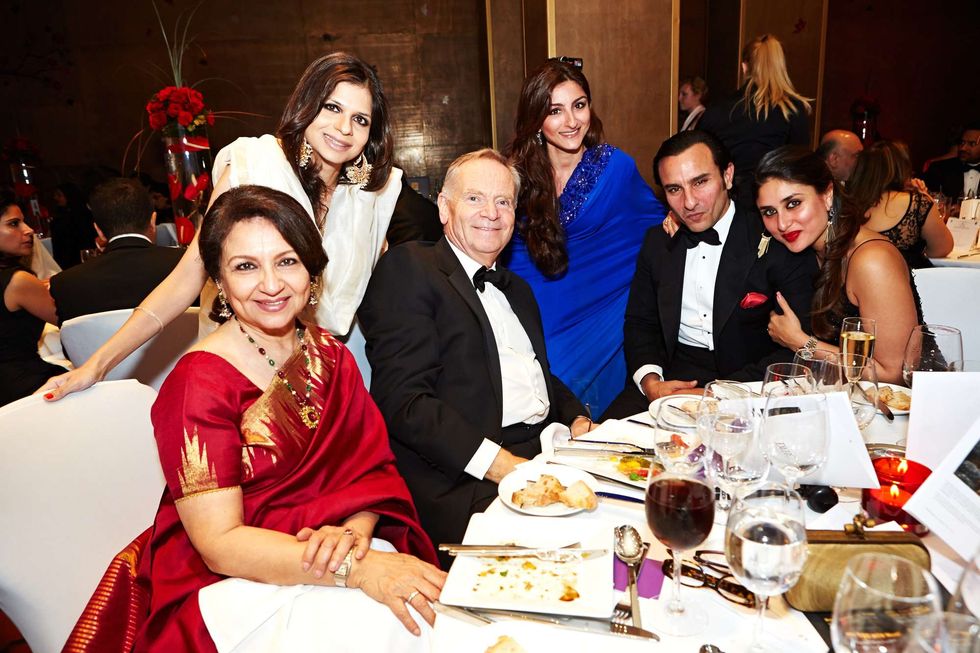 Jeffrey Archer with Sharmila Tagore and her family at an auction dinner in London in 2013Eastern Eye
 Jeffrey Archer Eastern Eye
 Cover of one of his booksEastern Eye