
- Metro Bank has invited potential buyers to consider a takeover, although it says no active negotiations are under way
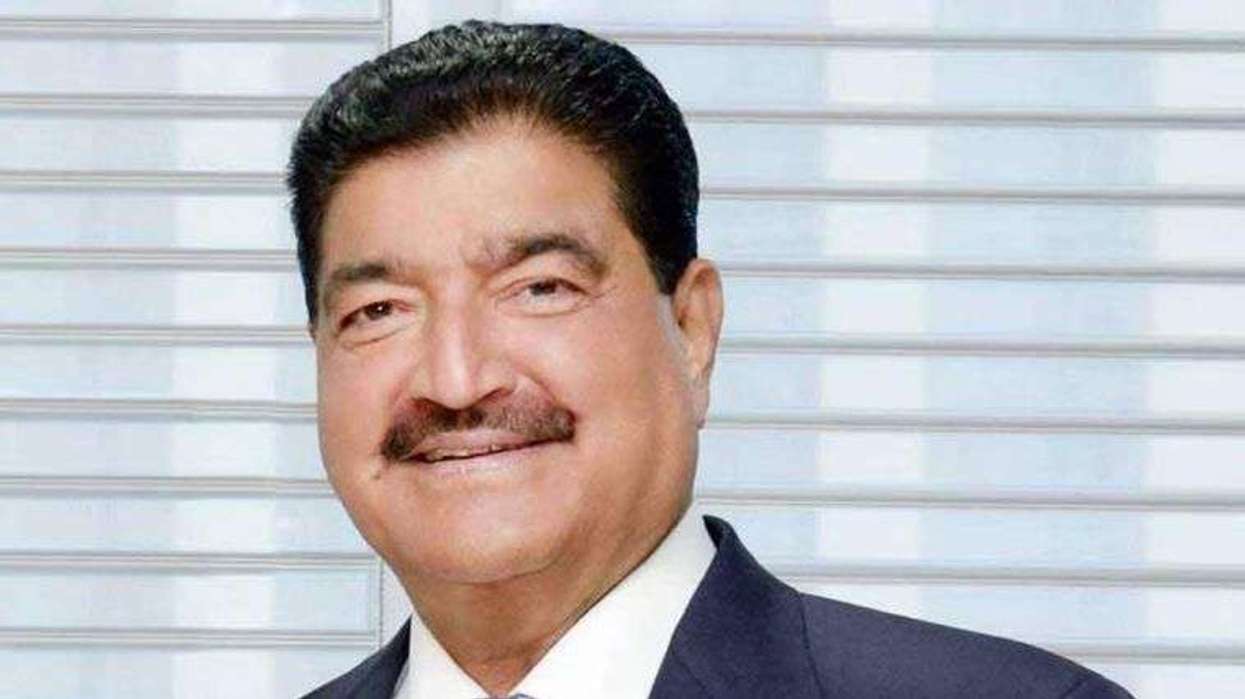
- Majority shareholder Jaime Gilinski Bacal could make an estimated £427m paper gain on his investment
- The lender has returned to profitability after cutting costs, reducing its workforce and shifting towards specialist lending
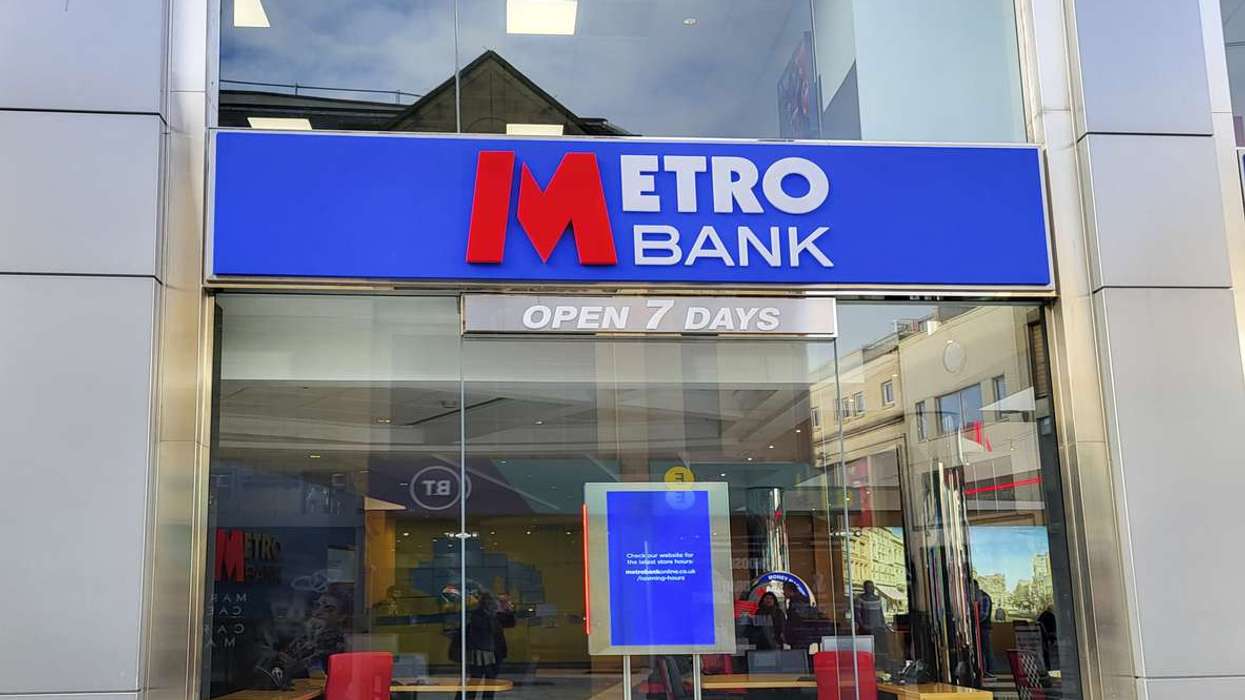
Metro Bank is looking for a buyer three years after a £925m rescue deal, opening the possibility of a lucrative exit for Colombian billionaire Jaime Gilinski Bacal, whose investment has risen sharply in value during the lender's turnaround.
The London-based bank announced on November 12 that it had begun a formal sale process as part of a wider strategic review. Its shares rose by around 7 per cent following the announcement, valuing the business at approximately £1.3bn during Thursday's trading.
However, Metro Bank stressed that it was not in active discussions with any potential buyers and had not received a takeover offer. It has appointed Morgan Stanley to handle expressions of interest from prospective bidders.
A sale would give Gilinski Bacal an opportunity to realise gains on the 53 per cent stake he acquired through the bank's £925m recapitalisation in 2023. His investment vehicle, Spaldy Investments, bought shares at 30p each. At a reported share price of 190p on Thursday, the holding could be worth around £427m more than its original purchase cost.
The figure represents an estimated paper gain rather than money already realised. Gilinski Bacal, 68, joined Metro Bank's board after becoming its majority shareholder and played a central role in securing its future when the lender was facing serious financial difficulties.
The Colombian banking tycoon, whose fortune is estimated at $16.9bn by Forbes, has built a reputation for acquiring distressed financial assets, restructuring their operations and seeking to unlock their value.
How did Metro Bank recover from its financial crisis?
Founded in 2010 by American businessman Vernon Hill, Metro Bank became the UK's first new high-street bank in more than a century. Its brightly coloured branches, extended opening hours and customer-friendly approach helped it establish itself as an alternative to established lenders.
But its growth was interrupted by an accounting error in 2019, which undermined investor confidence and triggered a sharp fall in its share price. The episode led to senior management departures, including Hill's exit as chairman.
The bank faced another crisis in 2023 when it struggled to secure regulatory approval for its approach to assessing capital requirements and needed fresh funding to strengthen its balance sheet.
A £925m rescue package, backed by investors including Gilinski Bacal, helped stabilise the lender. The Colombian investor subsequently acquired majority control through the recapitalisation.
Since then, chief executive Daniel Frumkin has overseen a substantial restructuring. Metro Bank has moved away from competing aggressively in mainstream mortgage lending towards commercial lending, specialist mortgages and customers who are less well served by traditional lenders.
The strategy has involved significant cost reductions. More than 1,000 jobs were cut in 2024, while the bank abandoned Sunday opening hours, scaling back one of the features that originally distinguished it from larger rivals.
The financial results have improved. Metro Bank returned to profit in 2025, reporting an £87.2m surplus compared with a £212.1m loss the previous year. Costs fell by 7 per cent during the year.
Its recovery continued into 2026. In August, the lender reported pre-tax profits of £61m for the six months to June 30, a 41 per cent increase on the corresponding period a year earlier. It described the period as its most profitable first half in its history.
Who could buy Metro Bank, and what happens next?
Metro Bank's improved financial position has made it possible for the board to explore a sale while keeping its independent growth strategy in place.
The bank said its directors unanimously believed that evaluating potential interest alongside continuing its standalone plan would maximise opportunities for shareholders and deliver benefits for other stakeholders.
The formal sale process allows interested parties to hold confidential discussions with the company. Morgan Stanley has been appointed as its lead financial adviser, and prospective bidders have been invited to come forward.
Potential buyers could include larger high-street banks, private equity investors or specialist lenders looking to expand their presence in the UK market.
A larger bank could potentially benefit from Metro's customer deposits, lending operations and branch network, while a specialist lender might see an opportunity to expand its commercial banking business. However, the physical estate could also complicate a takeover. Metro's branches carry substantial property commitments, including reported lease obligations of around £276m.
Banking analyst Gary Greenwood of Shore Capital said an all-cash acquisition by private equity could provide a straightforward route for Gilinski Bacal to exit his controlling position. A combination with another specialist lender could also offer strategic benefits, while a larger bank might be more cautious about taking on Metro's branch network.
The sale process does not guarantee a transaction. Metro has made clear that if no suitable offer emerges, it will continue operating independently and pursue its existing growth plans.
The lender expects its return on tangible equity to exceed 13 per cent in the fourth quarter of 2026, rise above 15 per cent in 2027 and reach more than 18 per cent in 2028.
For Gilinski Bacal, the process could turn a rescue investment into a substantial financial return. For the UK banking sector, however, a takeover would raise a different question: whether one of the country's most recognisable challenger banks can retain its independent identity or will become part of a larger financial group.