Skip to content
Search

Latest Stories

Submit Guest Post

Theresa May voices regret over 1919 Amritsar massacre

BRITISH prime minister Theresa May today (10) expressed regret for a massacre by British troops in India in 1919 but stopped short of a full apology.

"We deeply regret what happened and the suffering caused," May told the British parliament, as India prepares to mark the 100th anniversary of the killings.


Jeremy Corbyn, leader of the main opposition Labour Party, called for "a full, clear, and unequivocal apology".

The April 13, 1919 Jallianwala Bagh massacre, in which British troops opened fire on thousands of unarmed protesters, remains an enduring scar from British colonial rule in India.

Colonial-era records show about 400 people died in the northern city of Amritsar when soldiers opened fire on men, women and children in an enclosed area, but Indian figures put the toll at closer to 1,000.

Former British prime minister David Cameron described it as "deeply shameful" during a visit in 2013 but also stopped short of an apology.

A ceremony was due to take place at the site of the massacre on Saturday (13).

(AFP)

Add EasternEye As Your Trusted Source
preferred source on google news

More For You

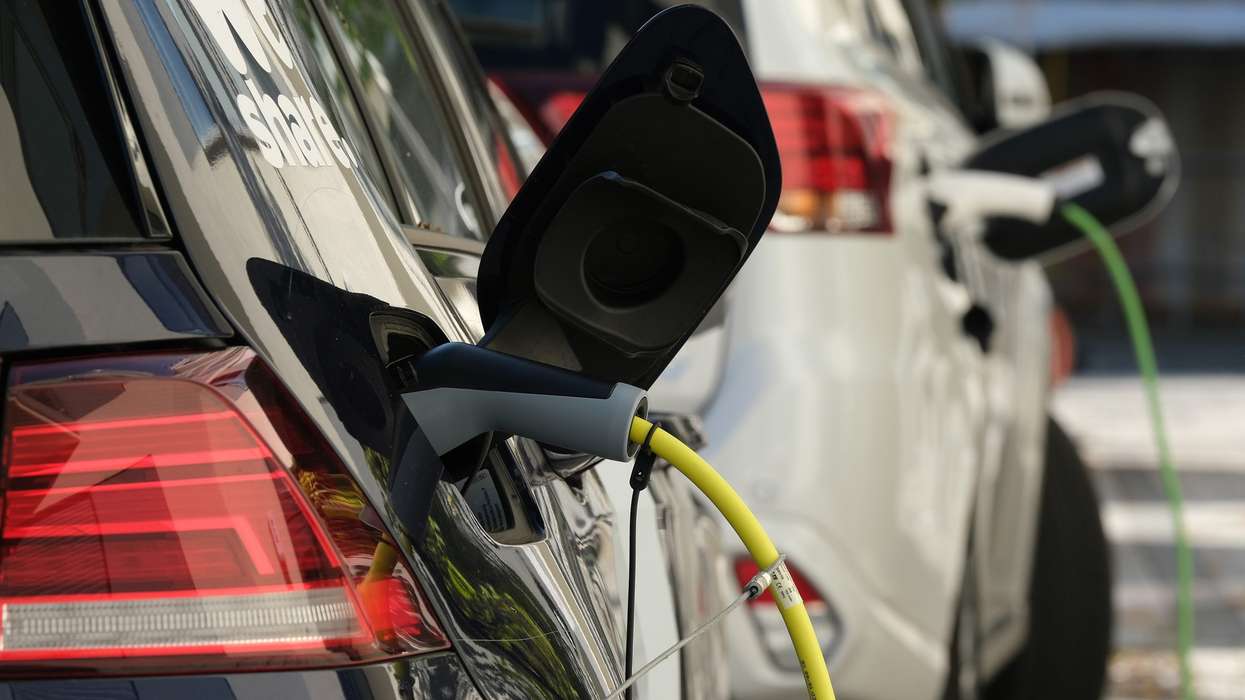
EV pavement gully charging england

New rules aim to make home charging more accessible for electric car drivers who do not have off-street parking

Getty Images

EV drivers without driveways can save £300 on home charging from today

  • Qualifying under-pavement EV charging installations no longer require planning permission, potentially saving drivers up to £300.
  • Drivers without driveways could charge their cars at domestic electricity rates, with the government saying home charging can cost as little as 2p per mile.
  • The government is consulting on further changes to make it easier for tenants and leaseholders to install chargers and to improve charging provision in new buildings.

Electric car drivers who park on the street could save up to £300 on home charger installation under new government rules designed to make charging cheaper and easier.

From today (21), drivers no longer need planning permission for qualifying permanent cables installed beneath pavements to connect their homes to parked electric vehicles. The change is intended to reduce installation costs and remove a barrier for households without driveways.

Keep ReadingShow less