
THIS is a bit of a generalisation, but British Asians tend not to queue up for tickets to the opera. But perhaps they ought to make an exception for the Grange Park Opera, which is a couple of miles from Horsley station in Surrey (just under an hour by train from Waterloo).
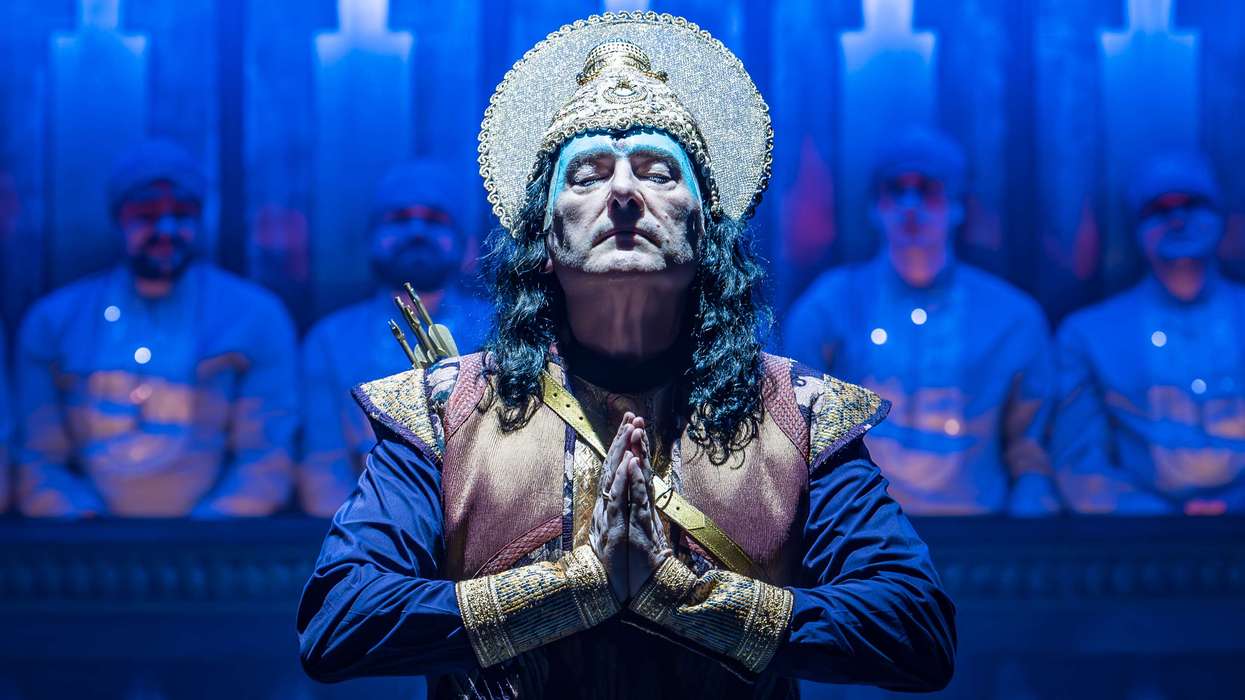
Last week, there were quite a few Asians in the audience for the final performance of Krishna, an opera composed by the late Sir John Tavener, who was greatly drawn to Hinduism.
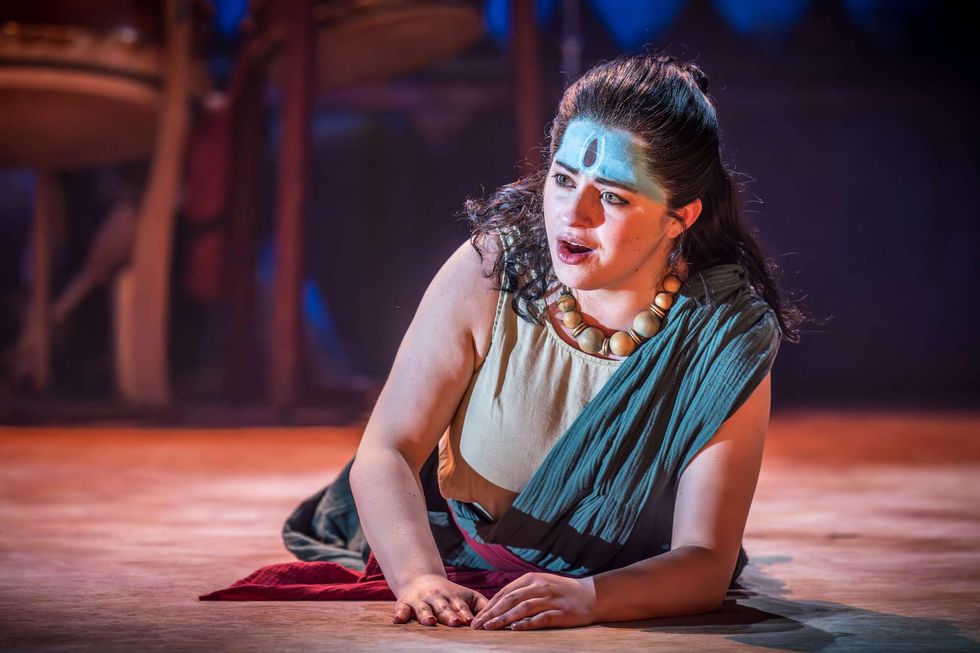
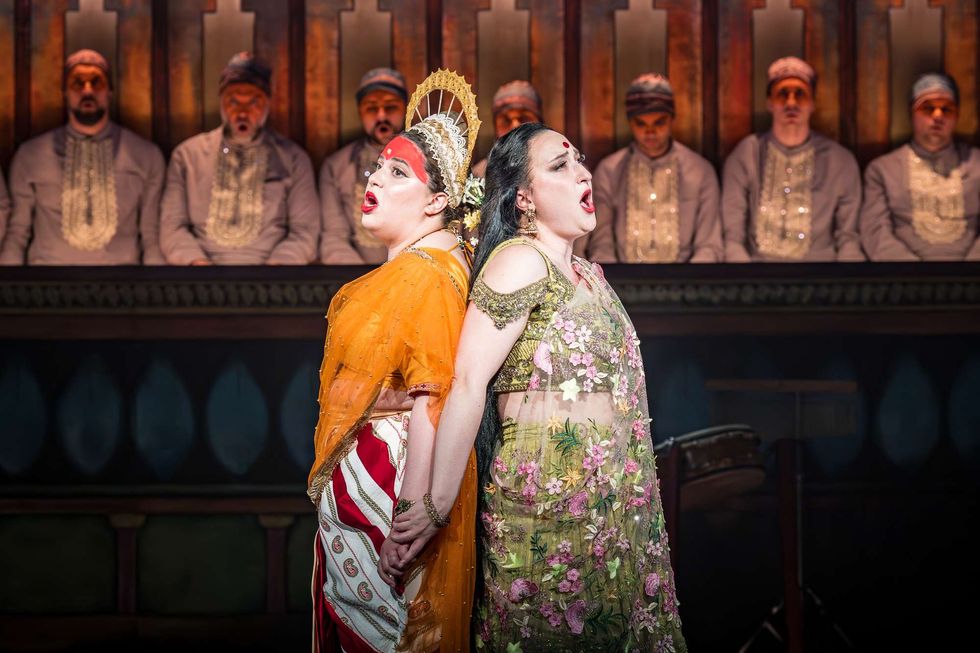 Nazan Fikret as Rukmini and Julia Sitkovetsky as RadhaMarc Brenner
That the opera has been put on at all is down to Grange Park’s producer and director Wasfi Kani, who studied music at St Hilda’s College, Oxford, and told me of her own background six years ago: “My parents were Muslims who were living in Delhi and Agra and came here at Partition. They went to Karachi briefly – my brother was born in Pakistan. By 1952, they were here and I was born in London in 1956. In the 1990s, I went to India for the first time. I very much fell in love with Indian textiles; and I loved the country.”
Most Hindus are familiar with the story of Krishna. As a cheeky little boy, he steals butter. As a young man, he dances with the gopis in the moonlight and hides their clothes when they are bathing. There is also the sublime love that Krishna and Radha have for each other.
In paintings Krishna is invariably painted as dark complexioned and playing a flute.
It is one of those names that are given by parents to both boys and girls. My favourite (girl) cousin was called Krishna.
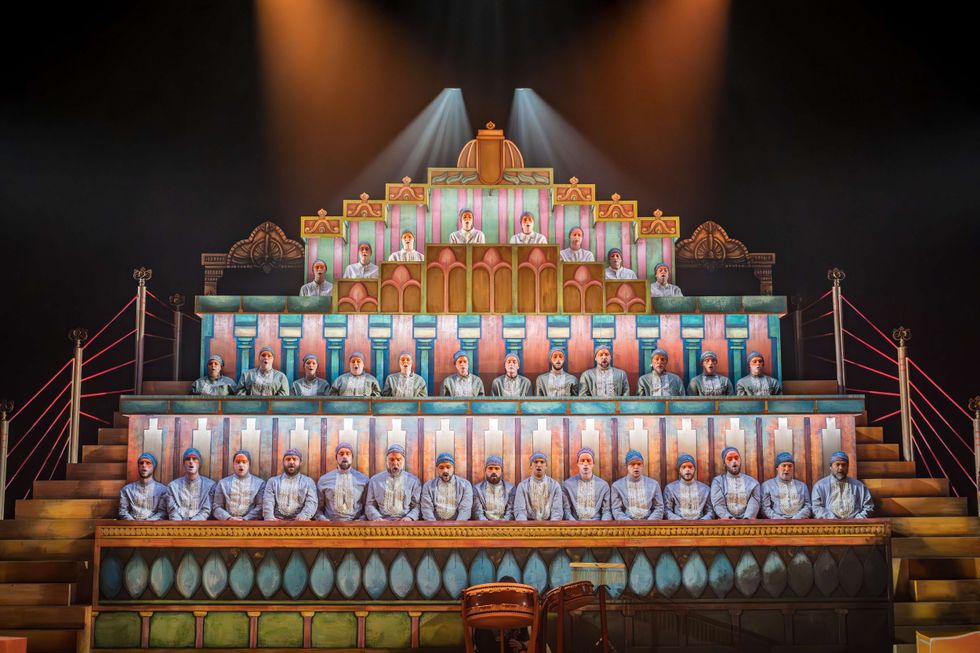 A scene from the productionMarc Brenner
But as children we were told of the other Krishna as well. He is the deity who is Prince Arjun’s charioteer in the epic Kurukshetra war in the Mahabharat. When Arjun is unwilling to spill the blood of kith and kin, it is Krishna who convinces him he must do his duty and perform his dharma. That makes up the Bhagvad Gita.
Seeing Tavener’s take on Krishna in the Grange Park Opera is only part of the fun. People spotting is another.
Lord Jitesh Gadhia, fresh from presenting a prize at Eastern Eye’s Arts, Culture & Theatre Awards (ACTA), was there with his wife, Angeli. Also present was Parminder Kohli, who is leaving Shell, where he has been chair of Shell UK and Shell
Group executive vice-president, to become the new CEO of the UK government’s Office for Investment.
Also there with his wife was care home provider Liakat Hasham.
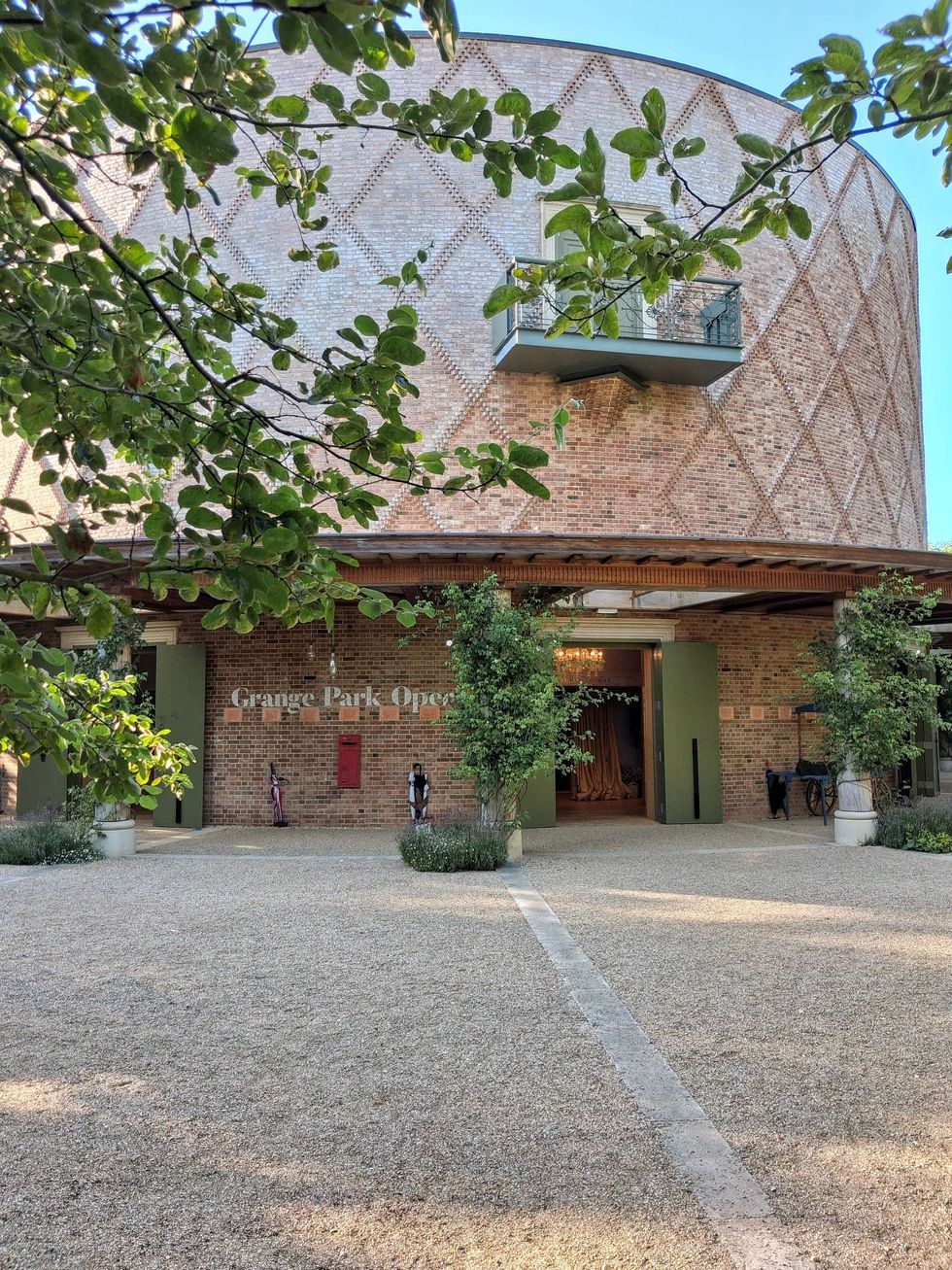 The Grange Park Opera theatre in SurreyMarc Brenner
I thought I had misheard when someone said the interval was 95 minutes. The modern opera house is set in idyllic countryside, with a rose garden, a croquet lawn, an orchard and tents with Rajasthani motifs. It is the sort of place an Asian millionaire with taste should buy as an escape from St John’s Wood or Holland Park.
The interval really was 95 minutes, the longest I have ever encountered. The black-tie tradition was relaxed on a warm summer’s day. The sound of champagne corks filled the air as opera lovers unpacked their wicker hampers. Sadly, as a first-timer at Grange Park, I had arrived with only a bag from M&S. Still, it did have a blueberry muffin and fizzy lemonade.
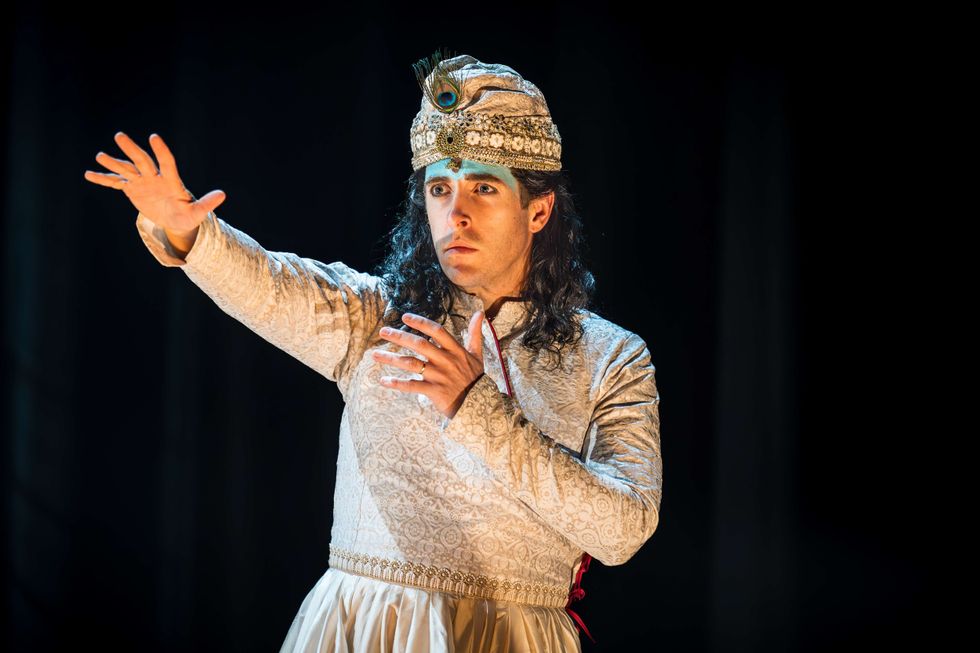 Elgan Llŷr Thomas as the young KrishnaMarc Brenner
Next time I will know to take a picnic with me.
Back in 2020, Kani had told me about the story behind the opera.
Tavener, one of the most acclaimed modern British composers – his Song for Athene at Princess Diana’s funeral in 1997 won him world acclaim – died in 2013, aged 69. The previous year his widow, Maryanna, had tipped off Prince Charles, a close friend of her husband, about Krishna.
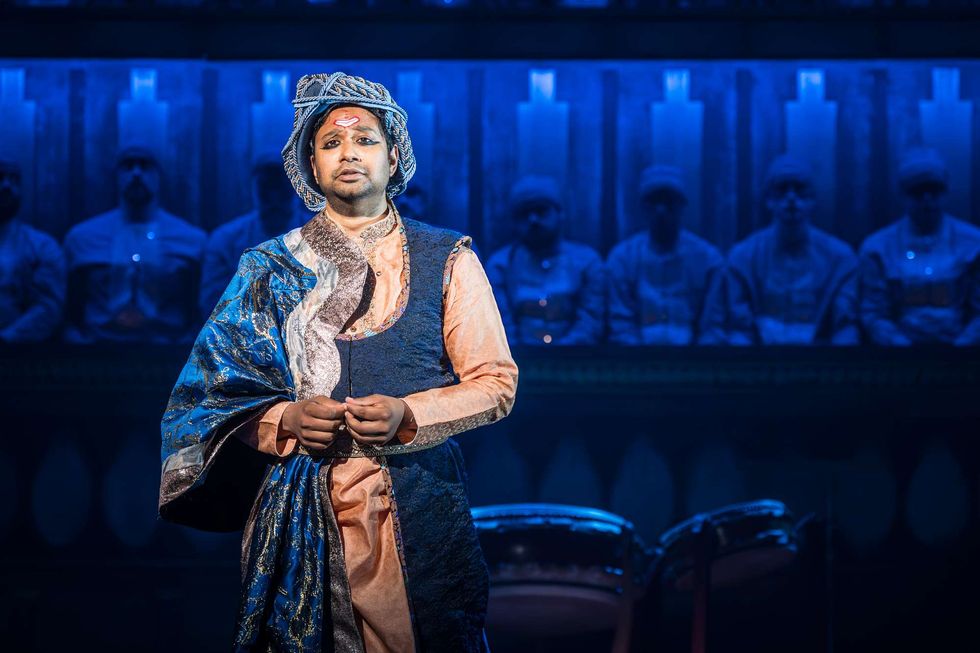 Ross Ramgobin as the celestial narratorMarc Brenner
The then Prince of Wales asked Sir David Pountney, a theatre and opera director, whether he would take an interest in Krishna. Pountney did and, in turn, approached Kani, who he thought was the only person capable of taking on the opera.
Kani found Tavener had written Krishna by hand – these days most composers tend to use a computer – on 358 sheets of manuscript paper which all had to be transcribed.
“When I took on the piece, I was going to call it The Earth Cries out for Krishna, but then I decided to stick with Krishna. Tavener called it something else – on the manuscript he called it The Play of Krishna.”
 Rosa Sparks as the child KrishnaMarc Brenner
She explained the plot: “Basically it’s the story of the cycle of Krishna’s life in 15 short little scenes. He is born when the earth cries out for help. There is a wonderful scene when he is a child and, as children do, he starts eating dirt. And his mummy says, ‘No, no, no, you can’t eat the dirt.’“She opens his mouth to pull the dirt out and she sees in his mouth the entire universe. At the end Krishna is assumed into paradise with many of his followers and the text then says, ‘I will come again when the earth needs me.’ It will be mainly in English – there is a little bit in Sanskrit. There are passages which are very, very rhythmic – not in any language. It is really about painting with sound. Krishna is played by four different people at four different times of his life in four different voice types. He is depicted as a child when he is a treble; then at some point as a tenor.”
Six years on, all credit to Kani for making sure Tavener’s vision has been brought to life. There are 13 scenes with Krishna being portrayed by Rosa Sparks as a child; Eliran Kadussi as an adolescent; Elgan Llyr Thomas as a young man; and Brett Polegato as the grown man who proceeds to paradise at the end of his earthly journey.
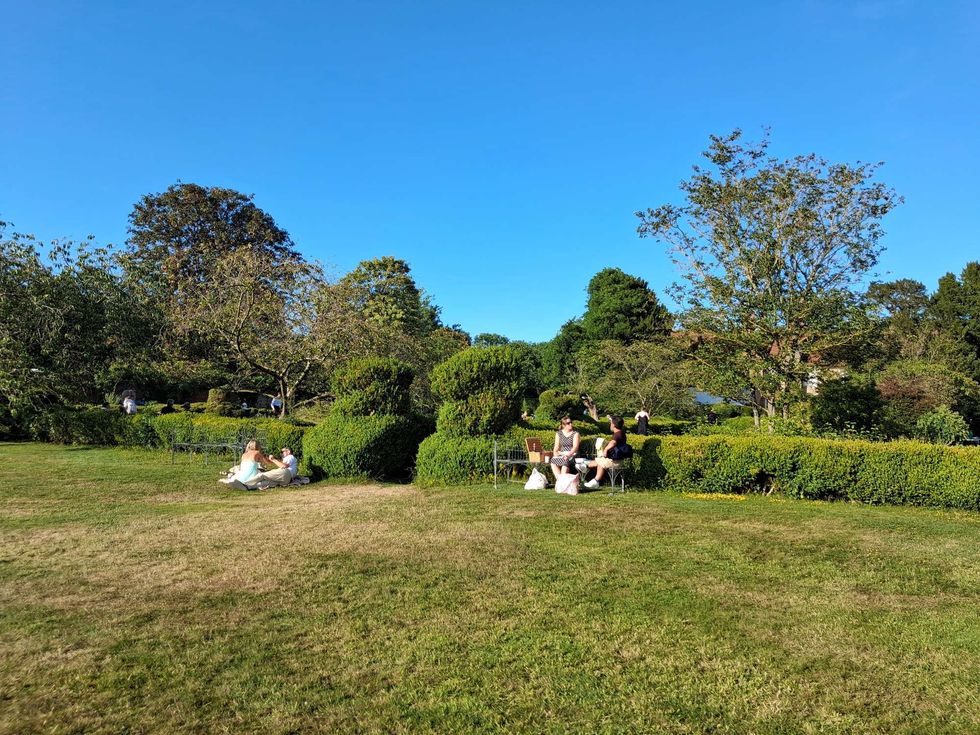 Audiences picnic during the intervalMarc Brenner
The adult Radha and Rukmini are played by Julia Sitkovetsky and Nazan Fikret, respectively.
Shobana Jeyasingh’s innovative touch as the choreographer is evident.
Also deserving of high praise is Ross Ramgobin as the celestial narrator. It all helps there are English transcriptions of the libretto penned by Tavener himself.
The 10 principal manifestations of the Hindu god Lord Vishnu represent divine descents to earth to restore cosmic order, defeat evil, and protect righteousness. Krishna is number eight on the list after Matsya, Kurma, Varaha, Narasimha, Vamana, Parashurama and Rama. He is followed by Buddha. Kalki is yet to come.
Taverner has taken Krishna’s message from the Bhagvad Gita: “Whenever there is a decline in righteousness and an increase in unrighteousness, O Arjuna, at that time I manifest myself.”
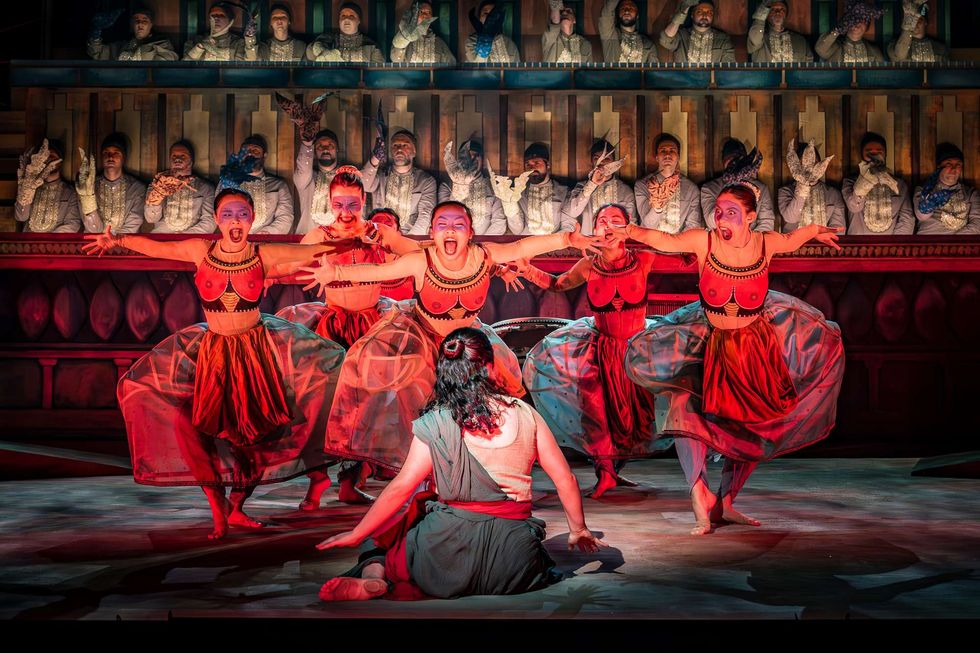 Dancers perform in the operaMarc Brenner
Krishna promises to reappear in the world to “protect good people” when truth declines and evil rises.
I took that to mean Krishna is needed now more than ever with Donald Trump having unleashed untold chaos and suffering across the world. Others may have loftier thoughts, but for me, the US president came to mind.

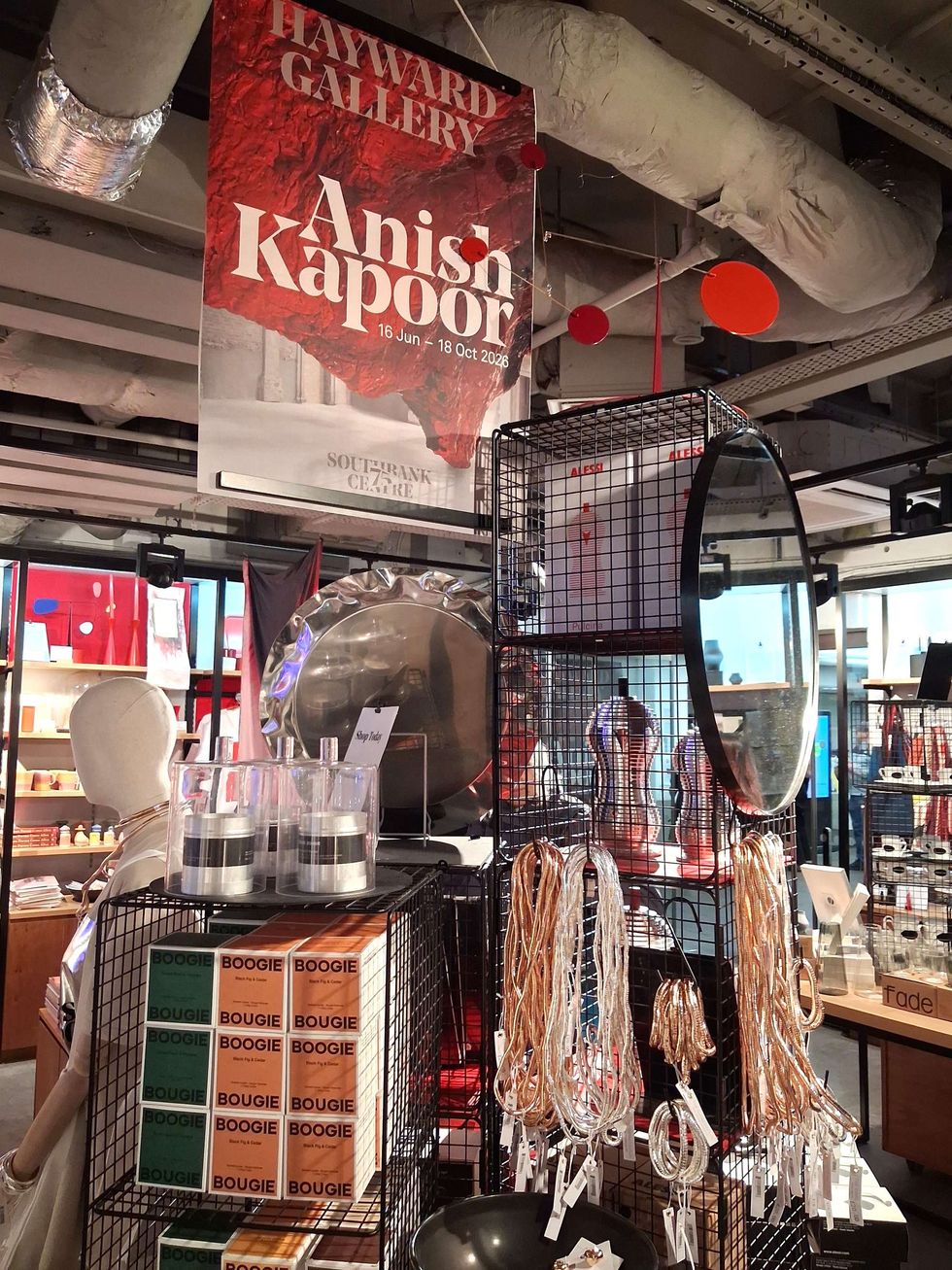 Anish Kapoor merchandise in the Hayward Gallery shopEastern Eye
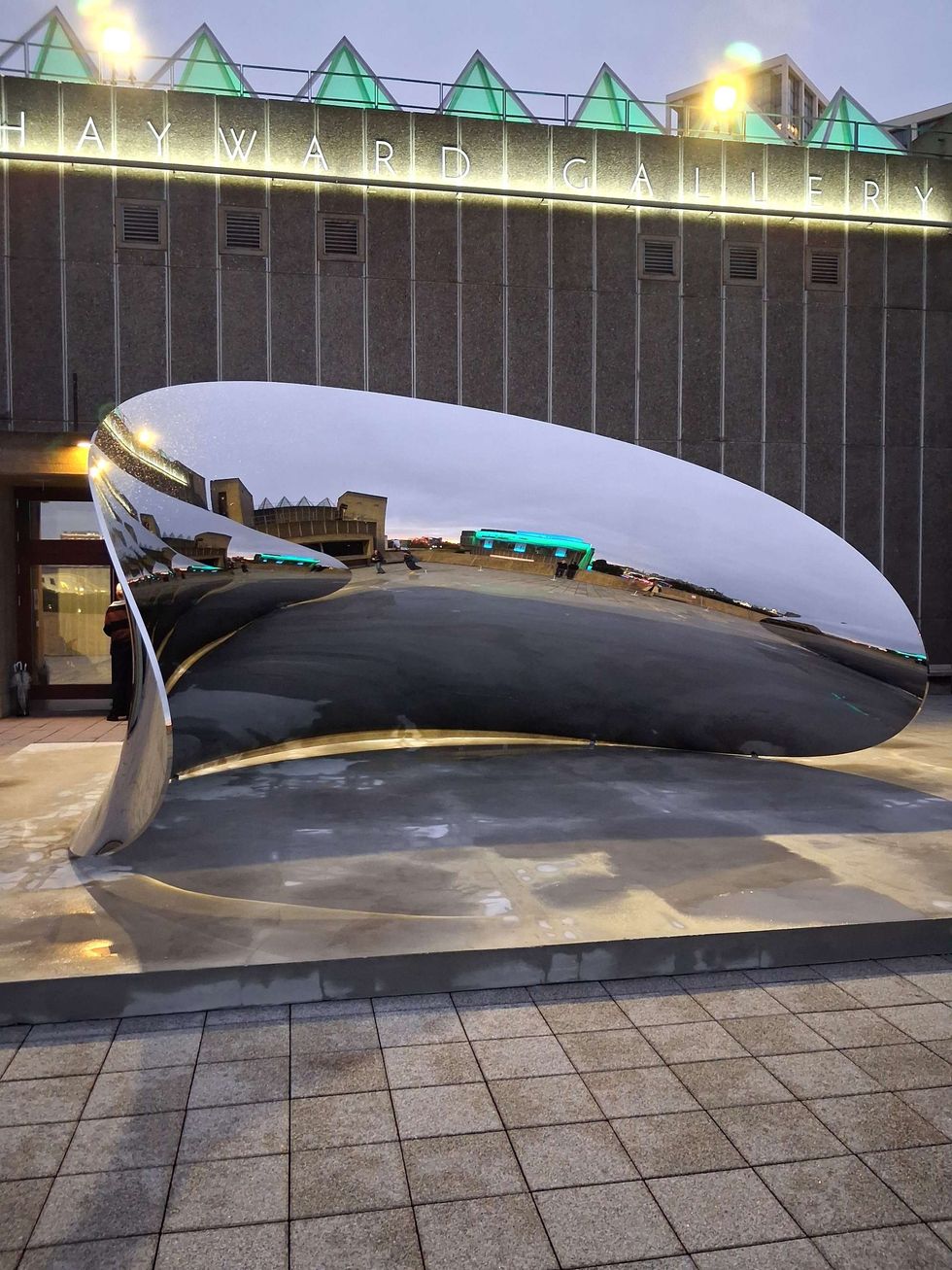 TsunamiEastern Eye
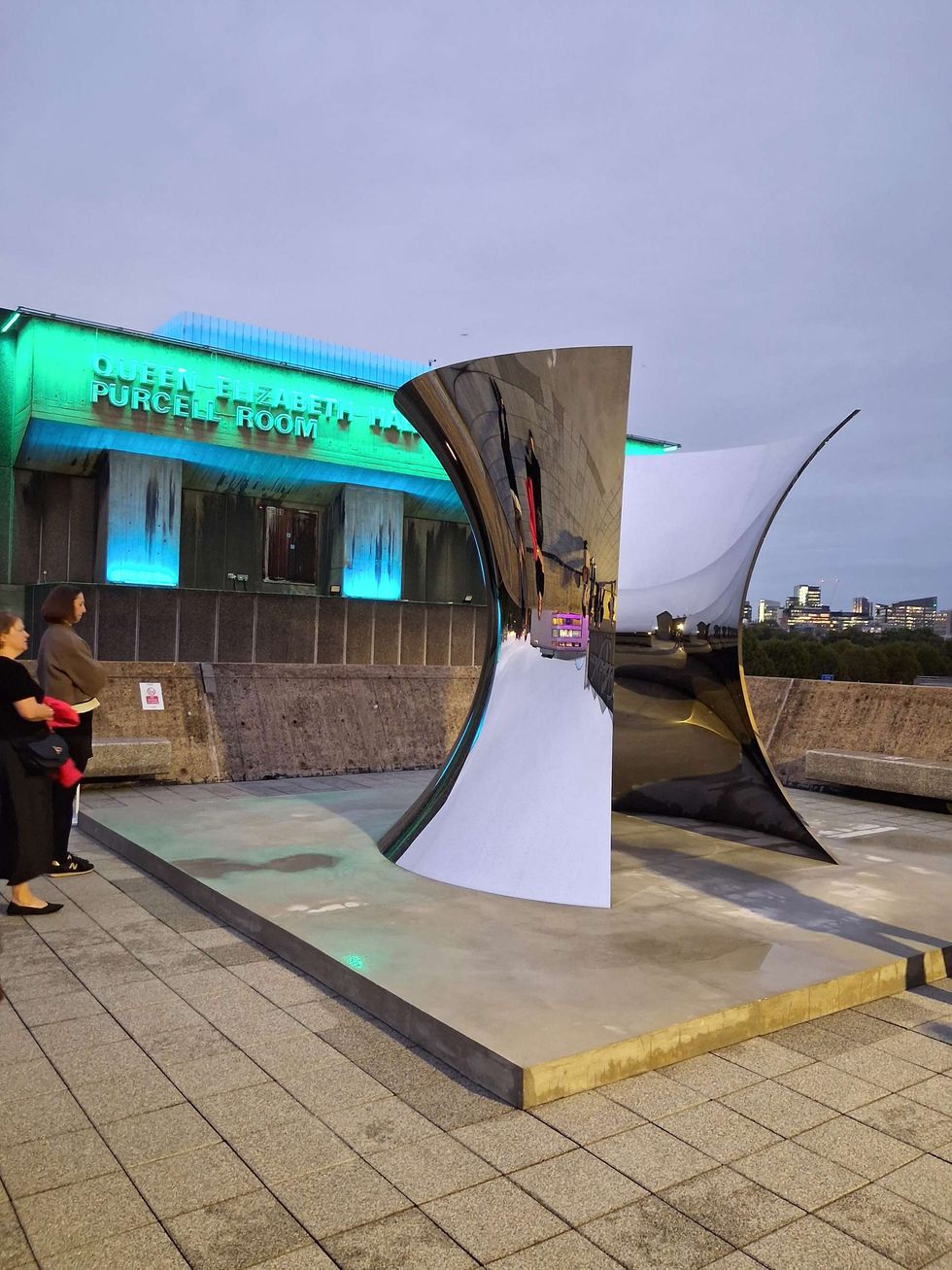 CloakEastern Eye
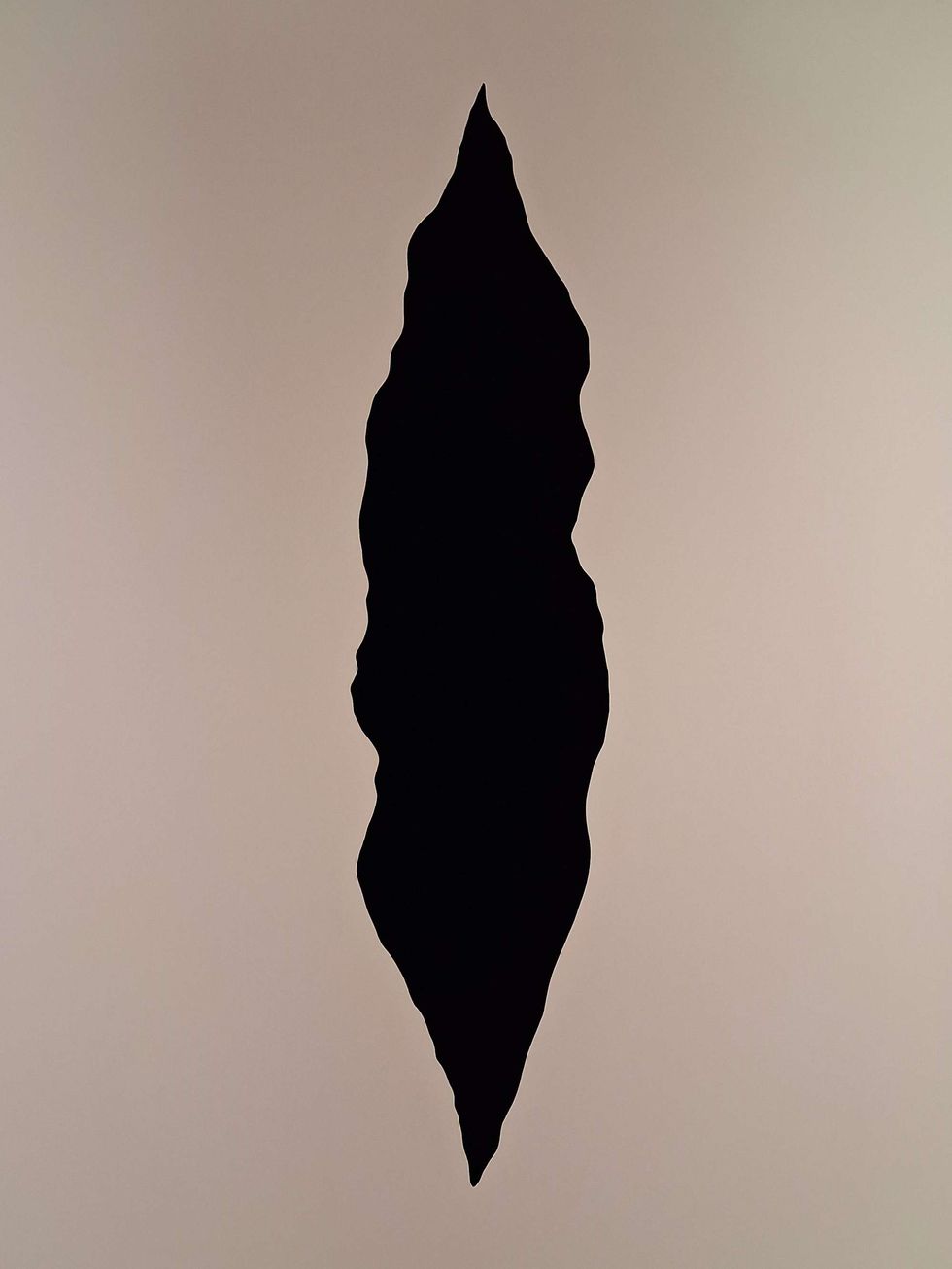 Untitled (work in Vantablack)Eastern Eye
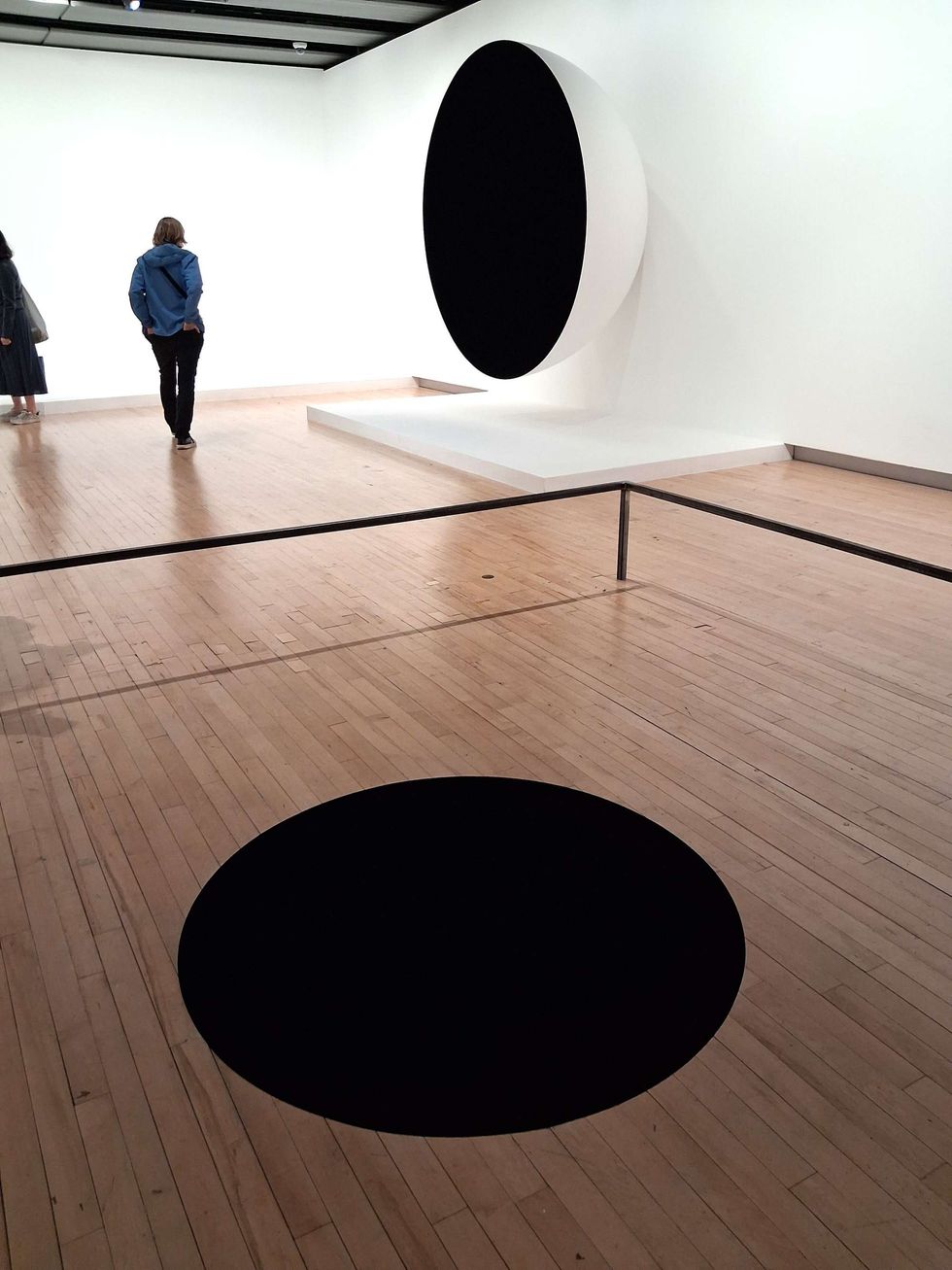 Descent into limbo (work in Vantablack)Eastern Eye
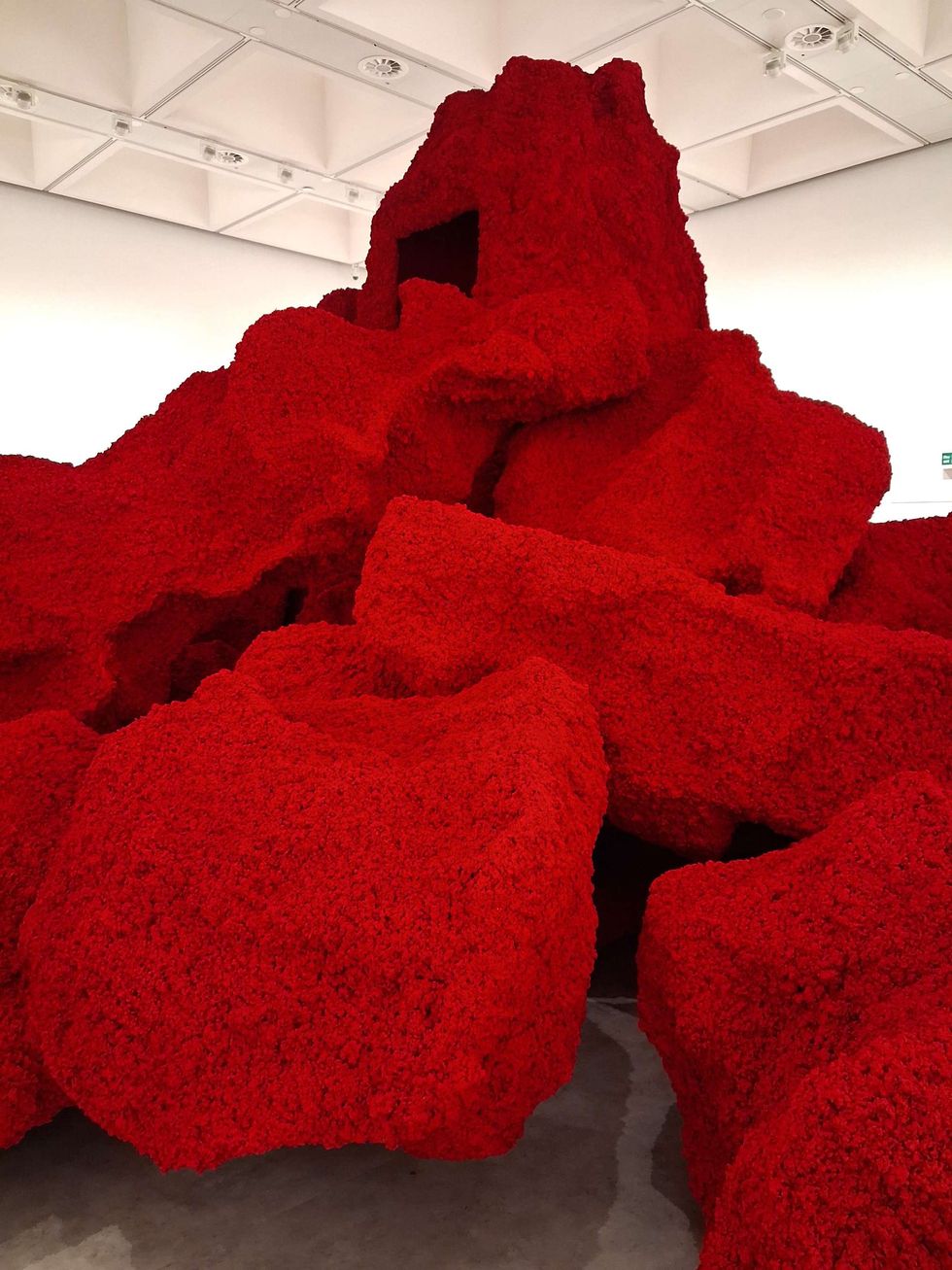 Ha MakomEastern Eye
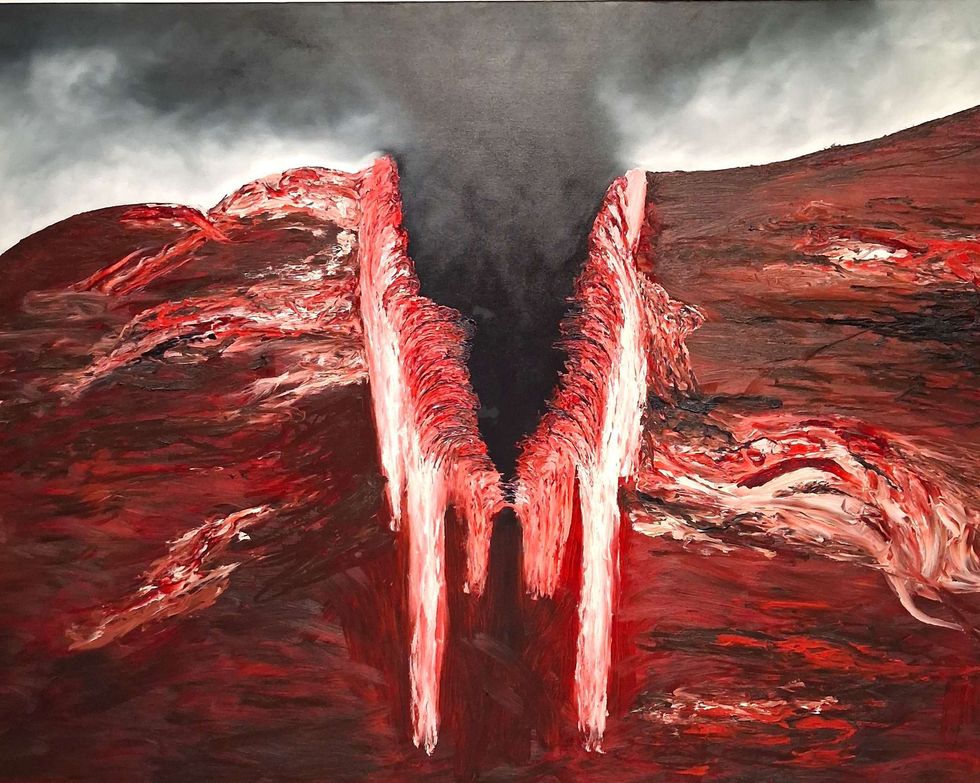 The Dark (oil on canvas)Eastern Eye
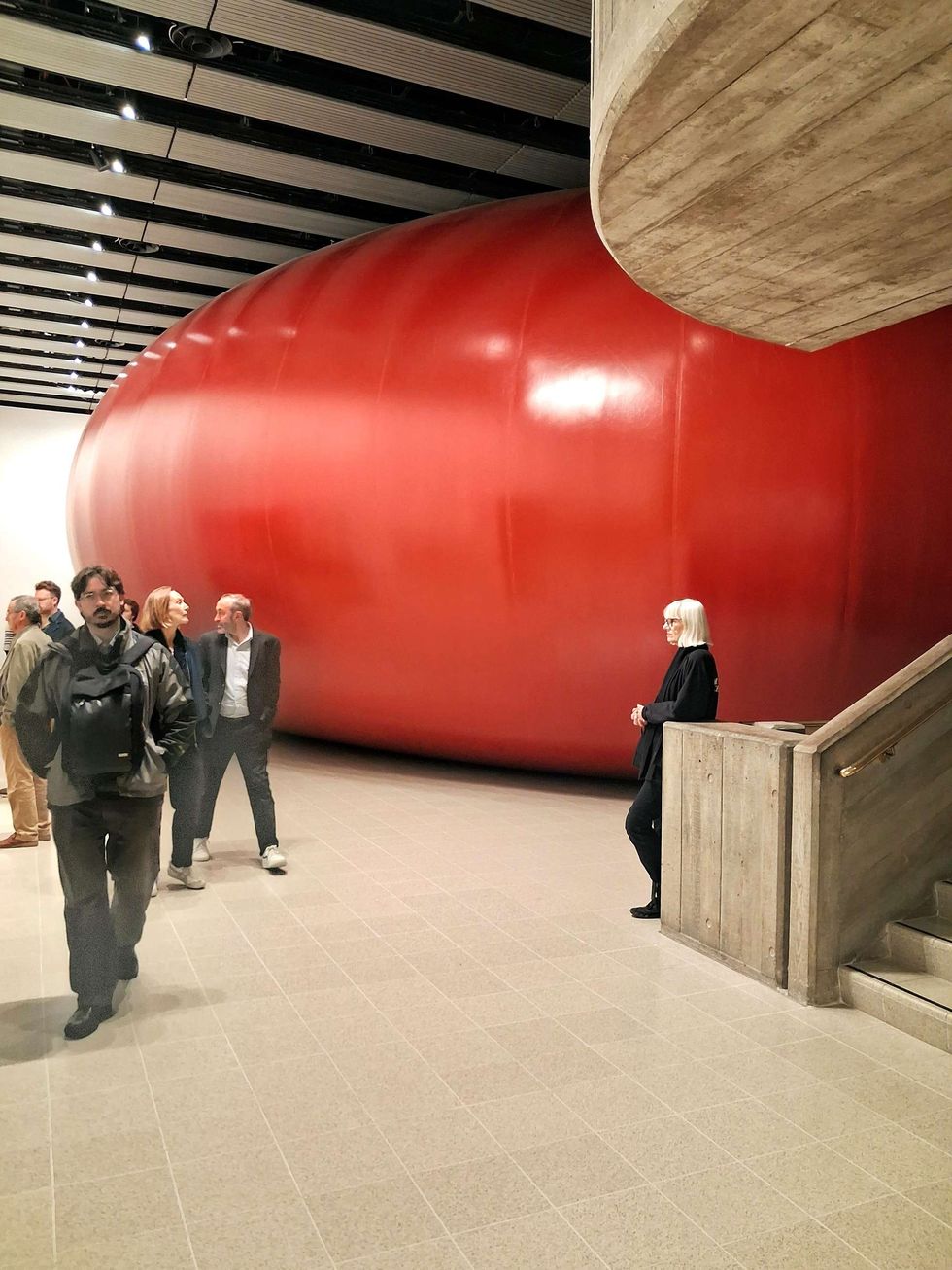 All is NothingEastern Eye
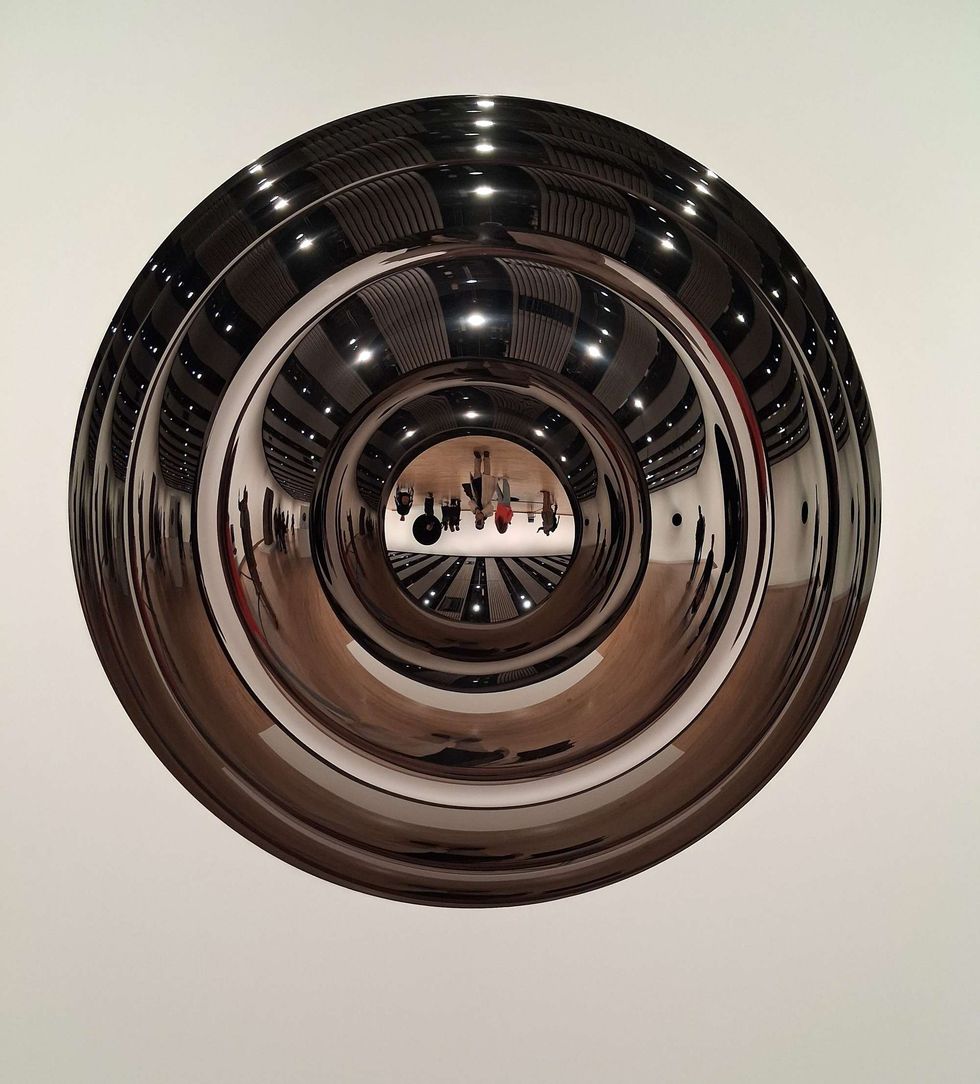 IrisEastern Eye
 Untitled (work in Vantablack) Eastern Eye
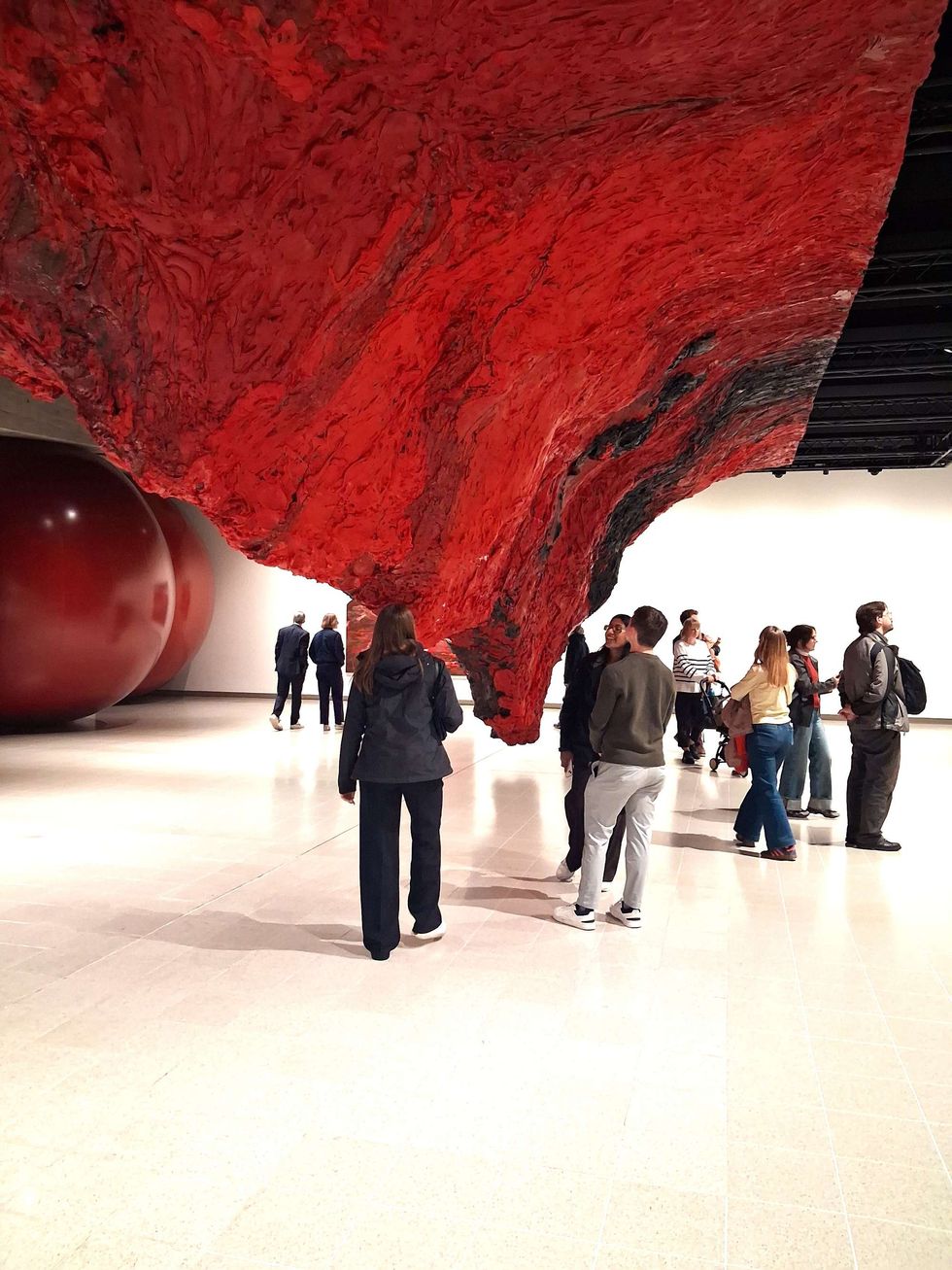 Mount Moriah at the Gate of the GhettoEastern Eye
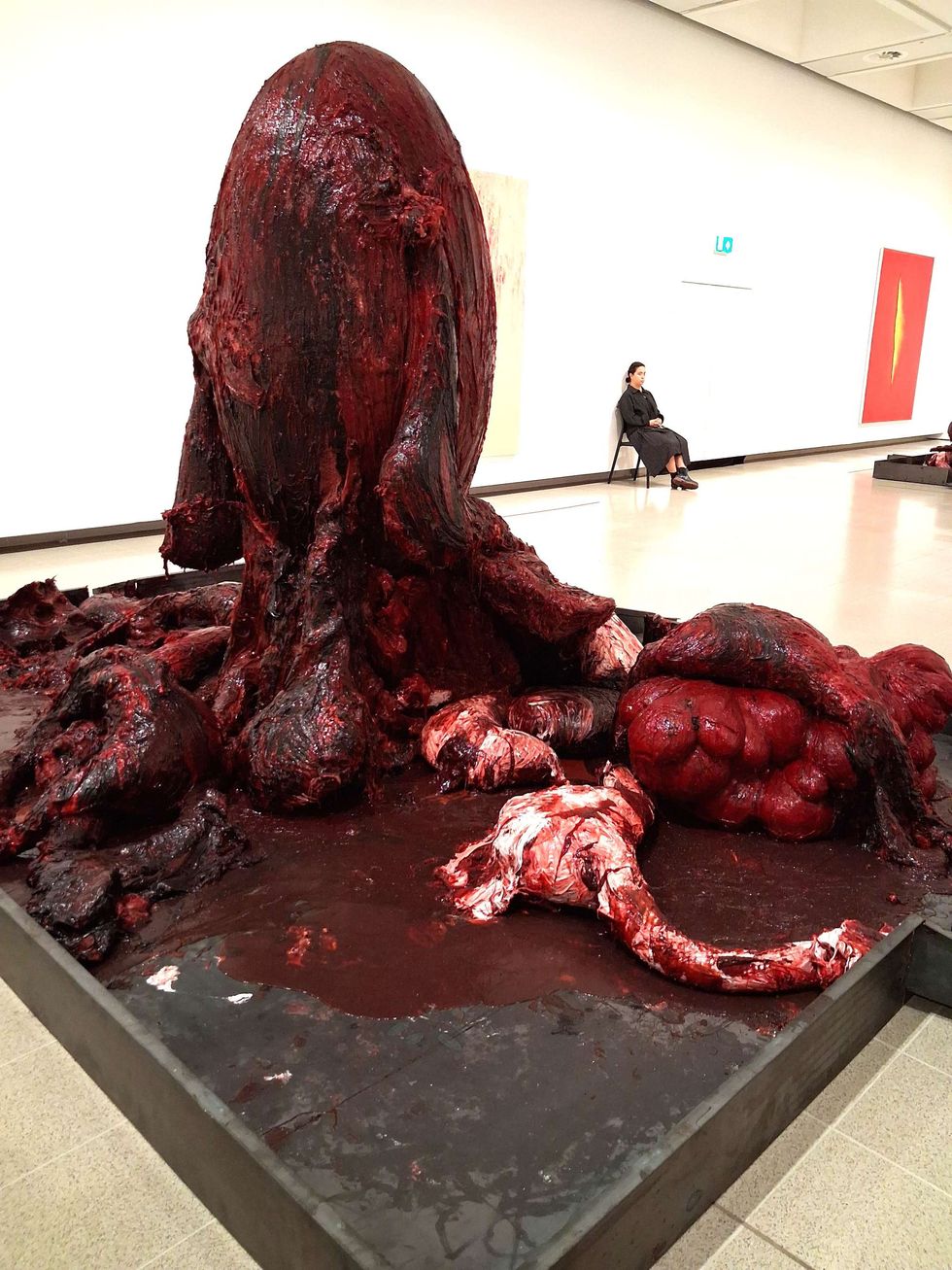 Interior of the body: evocation of ritual sacrificeEastern Eye