
Highlights
- Tamannaah Bhatia has responded to ongoing criticism of a controversial scene in Baahubali: The Beginning.
- Some viewers labelled the scene between her character Avantika and Prabhas's Shivudu as problematic.
- The actress clarified that the scene was about emotional healing, not violence or coercion.
- She emphasised that interpretations are shaped by individual mindsets and cultural shame around intimacy.
- Tamannaah said it’s essential to look at the filmmaker’s intent rather than impose judgement.
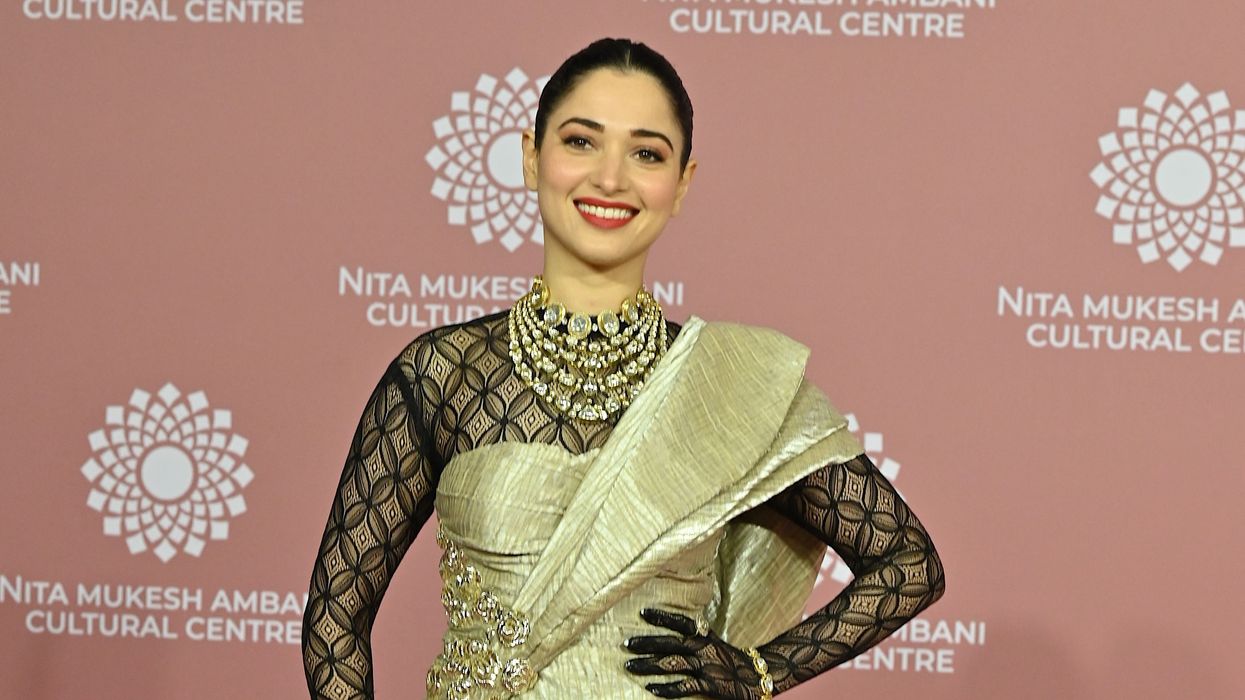
Tamannaah Bhatia has spoken publicly about a long-debated scene from Baahubali: The Beginning, where her character Avantika is romantically approached by Prabhas’s character, Shivudu. The scene had sparked controversy upon release, with some critics referring to it as “The Rape of Avantika.”
In a recent interview with The Lallantop, Tamannaah pushed back against that interpretation, calling the moment a “misunderstood” part of the film. She explained that rather than being about assault, the scene reflected a journey of self-discovery for her character.
Director's intent and character arc
Tamannaah revealed that director S.S. Rajamouli had discussed the scene with her during filming. According to his vision, Avantika had built emotional walls after years of hardship, losing connection with her softer, more vulnerable side. Shivudu’s gestures in the scene were intended as an attempt to help her rediscover that side of herself.
“It was about reminding her she’s still beautiful, still capable of love,” she said. “It wasn’t about control. It wasn’t about disrespect.”
- YouTube YouTube/ Faltu Movieclips
Cultural perception and misinterpretation
Tamannaah highlighted how audience interpretation often stems from personal beliefs or cultural conditioning. Speaking in Hindi during the interview, she said, “A filmmaker may want to show you something beautiful, but if you already believe love or your own body is something shameful, you will only see it that way.”
She believes that natural expressions of love and intimacy are still seen as taboo in Indian society, which leads to such misreadings.
- YouTube YouTube/ T-Series Telugu
“I won’t carry the burden”
Concluding her remarks, Tamannaah said she does not accept the label placed on the scene. “As creative people, I don’t think it was the rape of Avantika,” she stated. “It was Avantika finding herself through a young man who was wooing her.”
She urged viewers to go beyond surface-level reactions and engage with the emotional and narrative context of such moments.