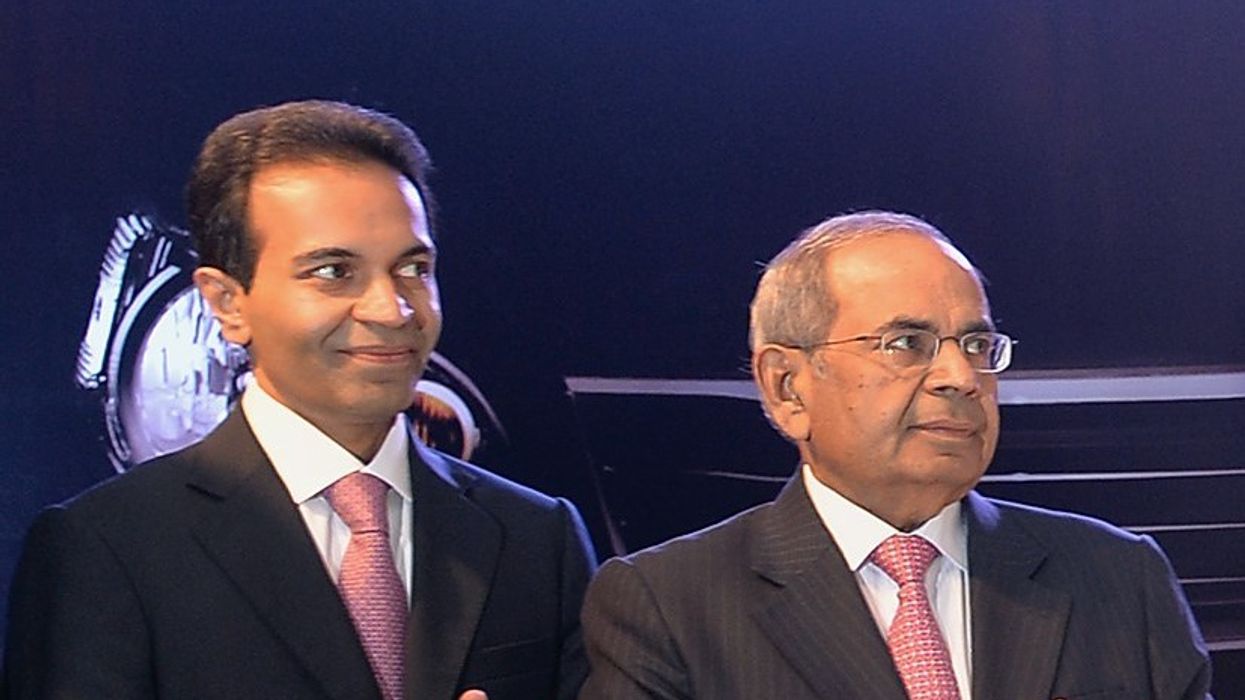
SWITCH MOBILITY, the electric vehicle company of the Hinduja Group, is likely to raise $200 million (£148.46m) in the next three months to meet its capital expenditure requirements, media reports said.
It approached Blackrock, Macquarie, Oman Investment Fund, Canadian Pension Fund and several other institutional investors for funds, according to an Economic Times report.
The Leeds-based company, which is part of the Hinduja Group-controlled Ashok Leyland, is believed to be in the final stages of striking deals with the investors.
The efforts could value the electric vehicle maker between $1.4 billion (£1.04 bn) and $1.8 bn (£1.34 bn), against the enterprise value of $1.6 bn (£1.19 bn) at which it sold a minor stake to auto component maker Dana last year.
However, the investor appetite for electric vehicle firms has cooled off since then, going by the erosion in the valuations of Nikola, Rivian and Arrival.
Switch is seeking investments for developing new vehicles for both Indian and western markets.
Ashok Leyland chairman Dheeraj Hinduja told the newspaper that Switch is finalising the fundraising which is likely to be concluded within "the next few months”.
In December, Switch announced the establishment of a new electric vehicle factory in Valladolid, Spain, with a plan to invest around €100m (£83.83m) over the next 10 years. The company seeks to extend its footprints beyond India and the UK, where it has a significant presence.
A month earlier, it had bagged a contract to supply 300 electric buses to the Bengaluru Metropolitan Transport Corporation in south India.
Switch Mobility raising funds for expansion plans