
Highlights
- 299,100 households experienced acute homelessness in 2024, up 21 per cent since 2022.
- Rough sleeping and unsuitable temporary accommodation cases increased by 150 per cent since 2020.
- Councils spent £732 m on unsuitable emergency accommodation in 2023/24.
The landmark study, led by Heriot-Watt University, shows that 299,100 households in England experienced acute homelessness in 2024. This represents a 21 per cent increase since 2022, when there were 246,900 households, and a 45 per cent increase since 2012.
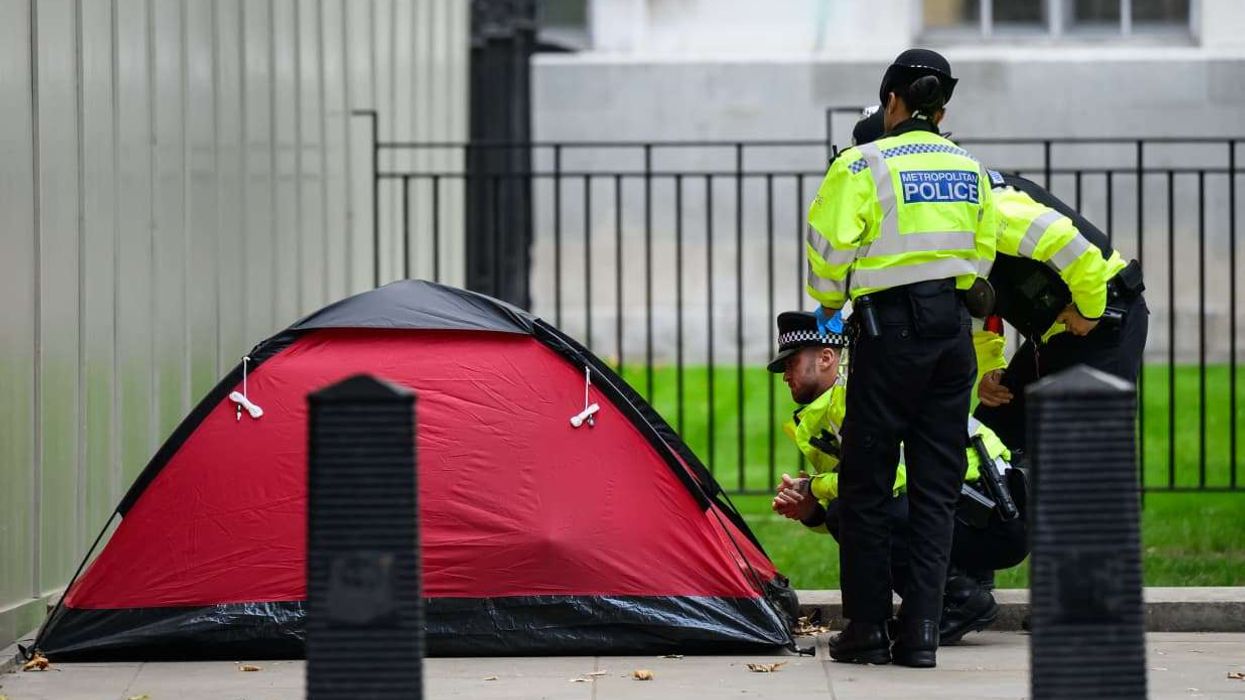
More than 15,000 people slept rough last year, while the number of households in unsuitable temporary accommodation rose from 19,200 in 2020 to 46,700 in 2024. An additional 18,600 households are living in unconventional accommodation such as cars, sheds and tents.A national survey found 70 per cent of councils have seen increased numbers approaching them for homelessness assistance in the last year. Local authorities in London and Northern England reported the biggest increase.
Councils under strain
Councils cited lack of affordable housing and insufficient welfare support as key factors, forcing them to spend £732 m on unsuitable emergency accommodation in 2023/24. The total cost of temporary accommodation reached £2.7 bn for 2024/25.
Isra, who came to the UK in 2009 aged six after her parents fled war in Iraq, experienced unsuitable temporary accommodation throughout her childhood. She told the BBC she remembers her mother "sifting through bags of rice because there were so many rats, we'd found rat droppings in our food."
Matt Downie, chief executive at Crisis, said: "No one should be forced to live in unsafe conditions, whether it's children in poor-quality B&Bs or people having to sleep on the streets, in tents or in squats."
Crisis is urging the government to deliver its promised homelessness strategy by Christmas and restore housing benefit to reflect the true cost of private rents. Currently, just 2.7 per cent of private rented properties in England are affordable for people receiving housing benefit, recent data from Zoopla showed.
A government spokesperson told BBC that they are investing more than £1 bn in homelessness services and will launch a homelessness strategy to tackle the issue.