
Highlights
- Suranne Jones says menopause-related brain fog has made it harder to remember her lines.
- The 48-year-old actress said everyone on the Doctor Foster set knew she was going through menopause.
- Jones is returning for the third and final series of the BBC thriller, nine years after its second season ended.
- She has also reflected on ending her role in Vigil and entering a new phase of her career.
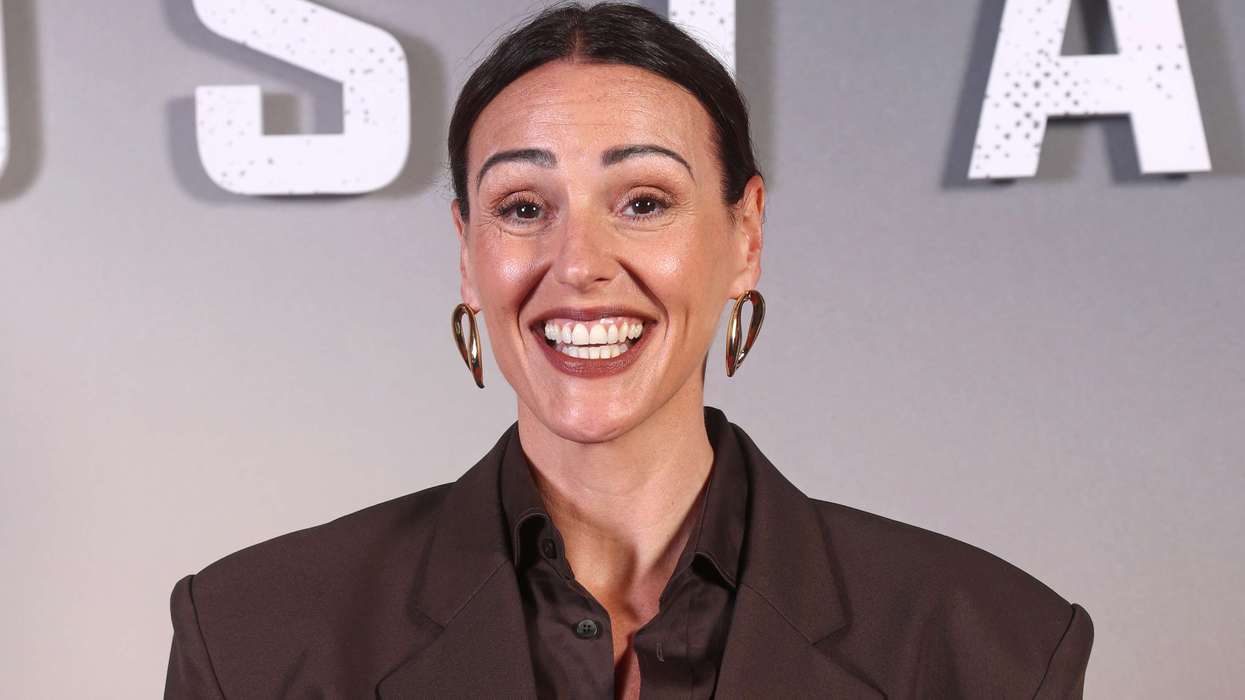
Suranne Jones has opened up about how menopause is affecting her acting career, revealing that brain fog has made it difficult to remember her lines while working on set.
The 48-year-old actress, who is returning for the third and final series of BBC thriller Doctor Foster, said the impact on her memory had been particularly challenging in a profession that requires her to learn scripts.
Speaking to Women's Health UK, Jones said: “For my business, the brain fog is awful because you can't remember your lines.
“You're just stood there going, ‘I don't know!’… Everyone [on set] knows about my menopause.”
Suranne Jones on returning to Doctor Foster
Jones is reprising her role in Doctor Foster nine years after the second series ended. The upcoming instalment will bring the story to a close.
The actress said she had reached a point in her life where several of the roles she was known for were coming to an end.
“I've just turned 48 and I wanted to say goodbye to that character in a way,” she said.
“All the big things that I'm known for are coming to an end. It feels good to have done Vigil, and Doctor Foster will be the last of that.”
Jones also spoke about taking on a greater creative role in the final series, including executive producing and being involved in the writing room.
She added that her experience had given her more confidence to contribute beyond acting, describing this period as the beginning of a new era.
The actress reflects on her career and Coronation Street
Jones also looked back at her early career, particularly her time playing Karen McDonald in Coronation Street between 2000 and 2004.
She appeared in almost 500 episodes of the ITV soap and credited the experience with giving her a foundation for the future.
“I was introduced to a financial adviser. I bought my own flat. I was introduced to a therapist,” she said.
Jones later became known for playing DCI Amy Silva in the BBC police drama Vigil, which concluded its third series in September.
Suranne Jones shares her filming recovery routine
The actress also discussed how she looks after herself while working on demanding filming schedules.
Jones said she uses a recovery routine three times a week when filming, which includes sauna sessions and red-light therapy.
“The sauna is great for loosening everything and the red light is brilliant for any injuries,” she said.
She explained that the routine had worked well while filming Vigil, prompting her to continue using it when she returned to work on Doctor Foster.






 Dr Kalpana Purshottamdas LakhaniEastern Eye