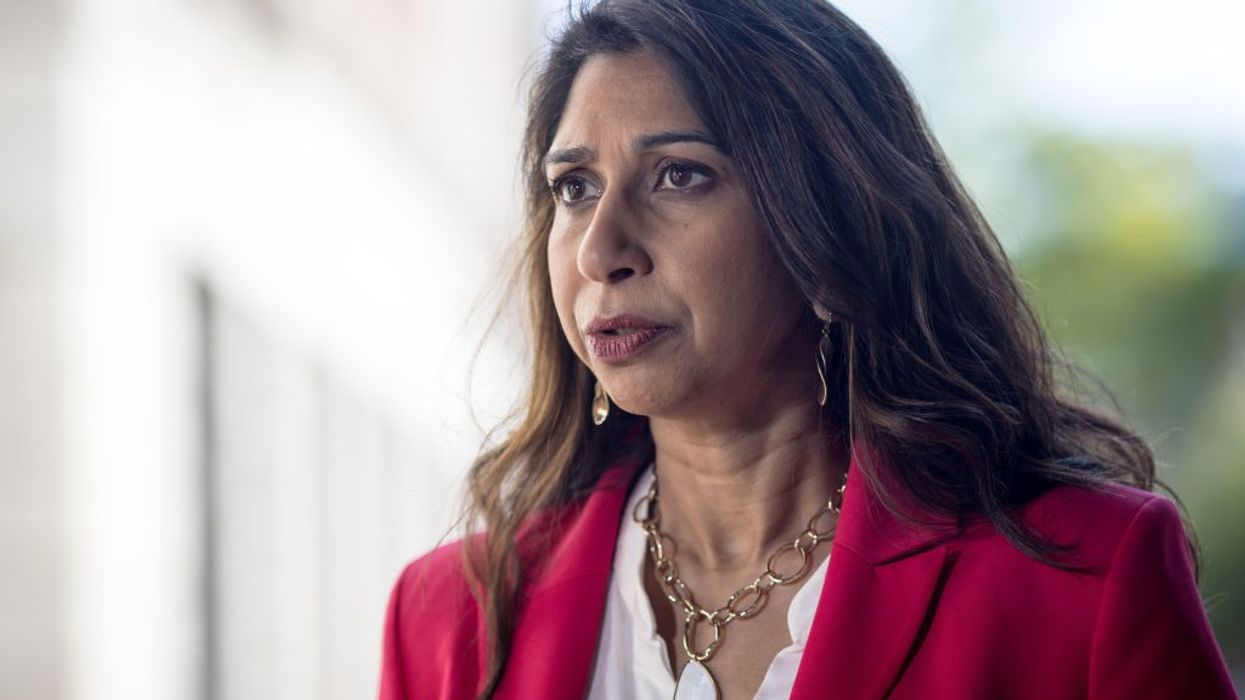
FORMER home secretary Suella Braverman has revealed that she continues to receive 24-hour personal protection due to ongoing threats and harassment.
During a recent supermarket trip, Braverman was confronted and called a "genocidal bleep" in front of her children.
The former minister described the supermarket incident as "aggressive, abusive, intimidating, and harassing," noting that she was followed to the checkouts.
“It's obviously about the issue to do with Israel and Hamas. And a couple of people came very close up to me. They said ‘Hey, this is Suella Braverman. You're a genocidal bleep'," Braverman told the BBC.
She recounted that the people hurling insults at her called their friends to join in the abuse, but her security team managed to shield her and defuse the situation. Pro-Palestinian activists also discovered her husband's workplace and sent him abusive phone messages.
She stressed that passion for an issue does not justify violence, saying, "It's not an excuse to tell someone you're going to kill them or rape them or kill their child."
She also found it "incredibly offensive" to suggest that her outspoken nature provoked such abuse.
"I’ve never incited violence. I've never threatened to attack anybody. I've never encouraged anybody to be violent. I have expressed very legitimate views on political issues because I'm a politician and it's my job to do so," she was quoted as saying.
Politicians increasingly face violent threats, impacting their safety and ability to perform their duties. Conservative Rehman Chishti was physically attacked during the Brexit referendum, leading him to follow police advice to not publicise surgery locations in advance.
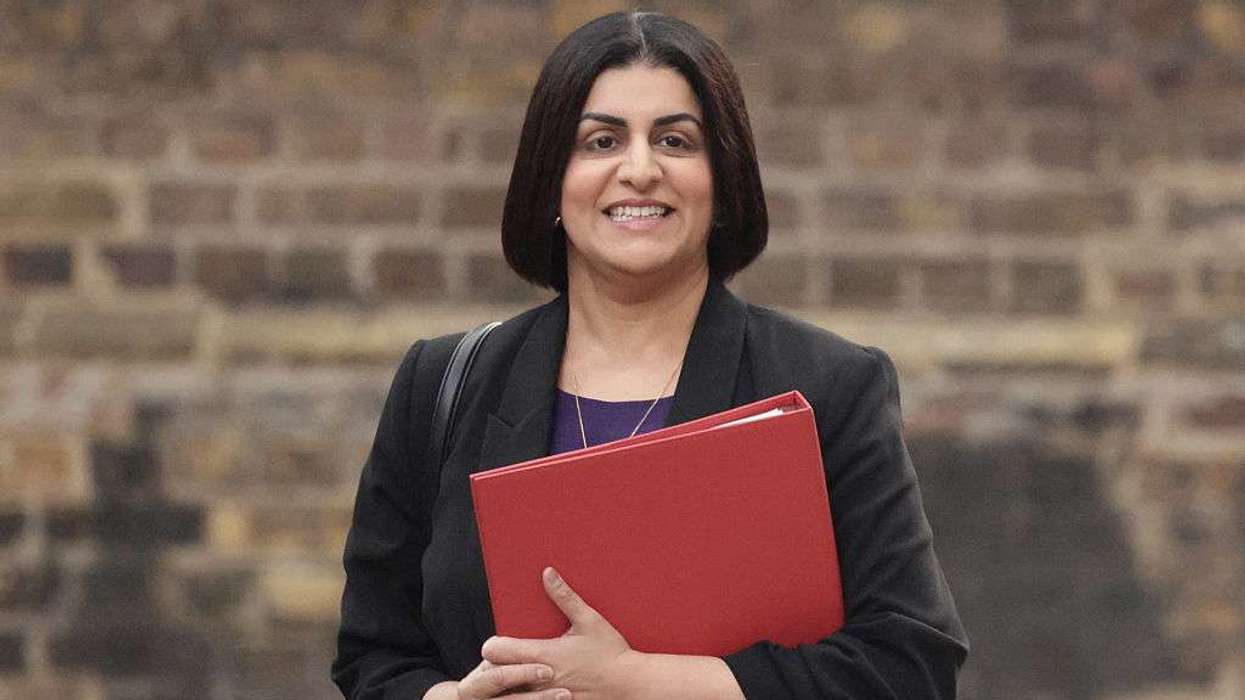
Labour MP Naz Shah received her first death threat in 2016 and now carries a panic alarm, checks in with local police twice daily, and has security measures in her office and home. She said that children should not have to hear their parents discuss potential threats to their lives.
There is a heightened sense of fear among politicians due to the Middle East conflict. Some avoid certain areas to prevent confrontations.
Former MP Tobias Ellwood keeps a stab vest and flak jackets in his car and now requires security at some public meetings. Ellwood, a former soldier, finds it unsettling to apply his military mindset to civilian life.
Reform UK leader Nigel Farage has been attacked with objects, including a milkshake. Security advisor Danny, with nearly two decades of experience, stresses the importance of taking all threats seriously.
Once elected, MPs must remain accessible to constituents, but many have altered their work methods for safety. Labour’s shadow Welsh secretary Jo Stevens now only sees constituents by appointment, which she fears may deter those in need of help.
In February, the government allocated a £31 million budget for politician security, following the murders of MPs Jo Cox in 2016 and Sir David Amess in 2021.
Now, all election candidates have access to panic alarms and a designated police contact for security matters, with requests for help being assessed by the Home Office within 24 hours.





 Sunder Katwala
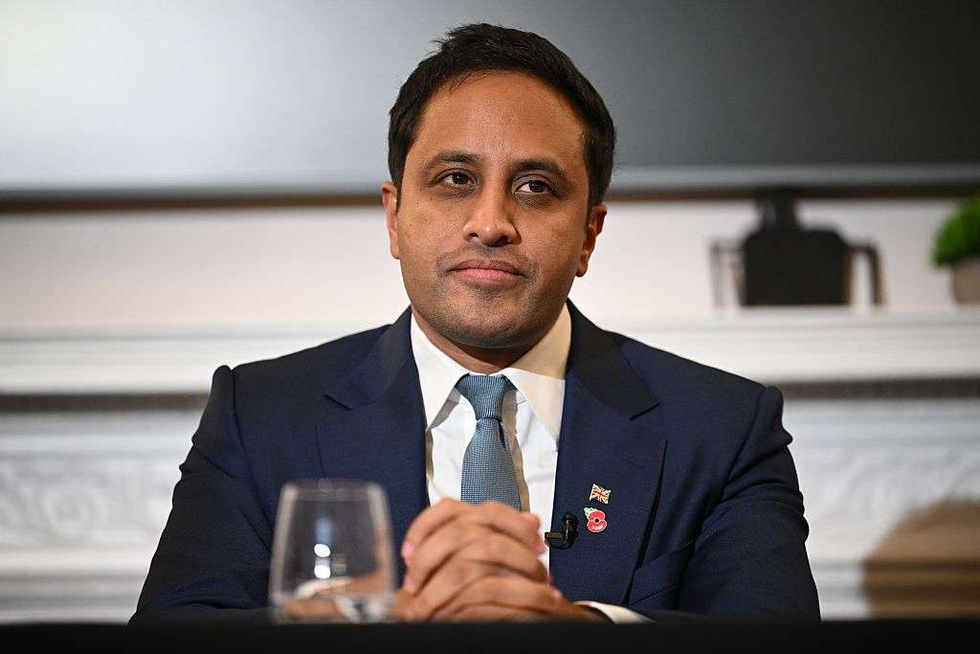 Reform UK spokesperson for home affairs, Zia Yusuf, attends a press conference with Leader of Reform UK Nigel Farage at The Clermont London Hotel on November 2, 2026 in London, United Kingdom. (Photo by Ben Montgomery/Getty Images)
 The decline has renewed calls for tighter immigration controls from the Conservatives.


