
Highlights
- Emmy-winning actor Stephen Graham launches a global project inviting fathers to write letters to their sons about manhood.
- Project, in collaboration with psychologist Orly Klein, will result in a book titled Letters to Our Sons, to be published by Bloomsbury in October 2026.
- Initiative aims to strengthen father–son relationships and counter negative online influences on young boys.
A call for fathers to open up
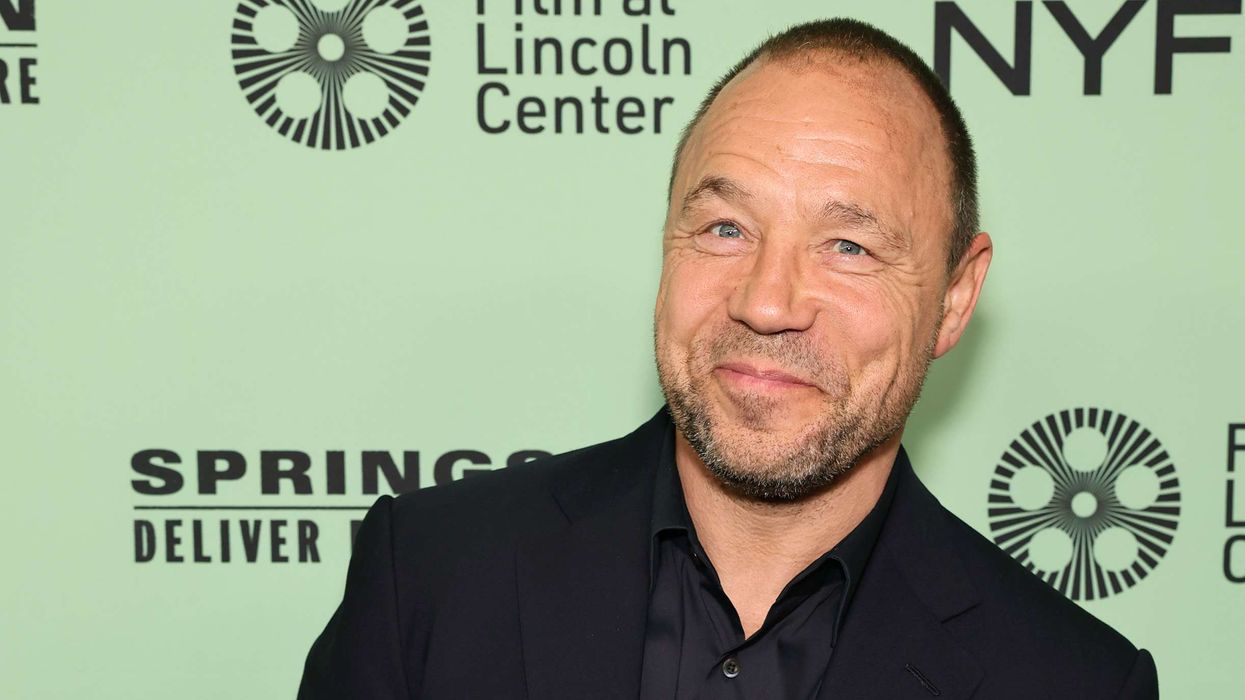
Stephen Graham, the Emmy-winning actor best known for Netflix’s hit series Adolescence, has launched a new project encouraging fathers across the world to write letters to their sons about what it means to be a man.
The initiative, Letters to Our Sons, aims to explore fatherhood and masculinity through first-hand reflections. The letters will be compiled into a book to be published by Bloomsbury in October 2026. Graham will work with psychologist and lecturer Dr Orly Klein to collect and curate the submissions.
“There is arguably an even bigger disconnect between fathers and sons than ever before,” Graham said. “We want to hear from men of all ages, first-time fathers, absent fathers, fathers who’ve lost, and fathers who just want to find a way to say ‘I love you’ or talk openly about what it means to be a man.”
From screen to real life
The idea builds on the success of Adolescence, the limited Netflix series co-created by Graham that examined modern masculinity and the pressures facing teenage boys in a digital age. The show became the platform’s second most-watched English-language series worldwide and sparked national conversations about male identity and mental health.
Following its release, Adolescence was recommended by politicians and educators alike. MP Anneliese Midgley called for it to be shown in schools and parliament, while Prime Minister Keir Starmer described watching it with his teenage children as “something that hit home hard.” In March this year, the series was made freely available to UK secondary schools.
“After Adolescence, I realised how little space there is for fathers and sons to talk openly about what it means to be a man today,” Graham said.
A shared mission
Dr Klein’s inspiration came from her own experience as a mother. When her son turned 13, she invited her male friends to write letters offering advice for adolescence — an idea that would later evolve into this global project.
Klein, whose work focuses on identity and youth culture, has previously led projects such as Room to Rant, which uses rap as a form of therapy for young men. She and Graham hope that Letters to Our Sons will provide a constructive, emotional space for men to reflect and connect.
Fathers can submit their letters via the project’s website from 15 October 2025 to 12 January 2026. Selected letters will appear alongside contributions from Graham and other public figures.
Addressing a growing concern
The initiative comes amid rising concern about the influence of online misogyny and extremist content targeting young boys. A recent study found that nearly seven in ten boys aged 11 to 14 had encountered posts promoting misogynistic ideas. Meanwhile, the NSPCC reported that 42% of parents had overheard their sons repeating inappropriate or degrading comments about women after exposure to such content.
Graham and Klein hope the project will offer fathers a chance to counter these narratives, with empathy, honesty and a focus on healthy role models.



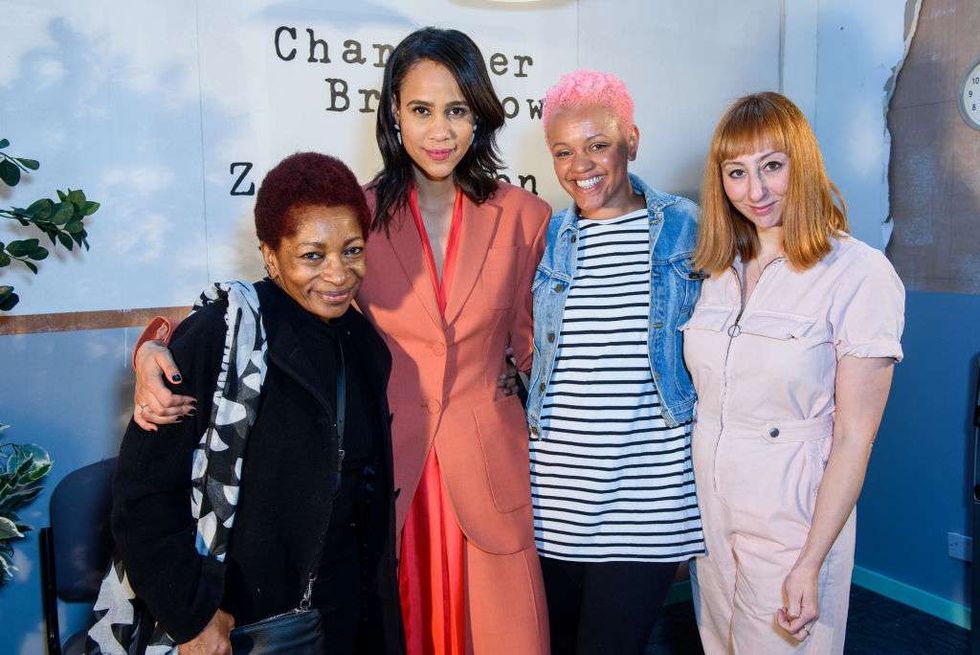 Bonnie Greer, Zawe Ashton, Gemma Cairney and guest at the "Character Breakdown" by Zawe Ashton book launch at Wild By Tart on April 03, 2019 in London, England. Photo by Joe Maher/Getty Images
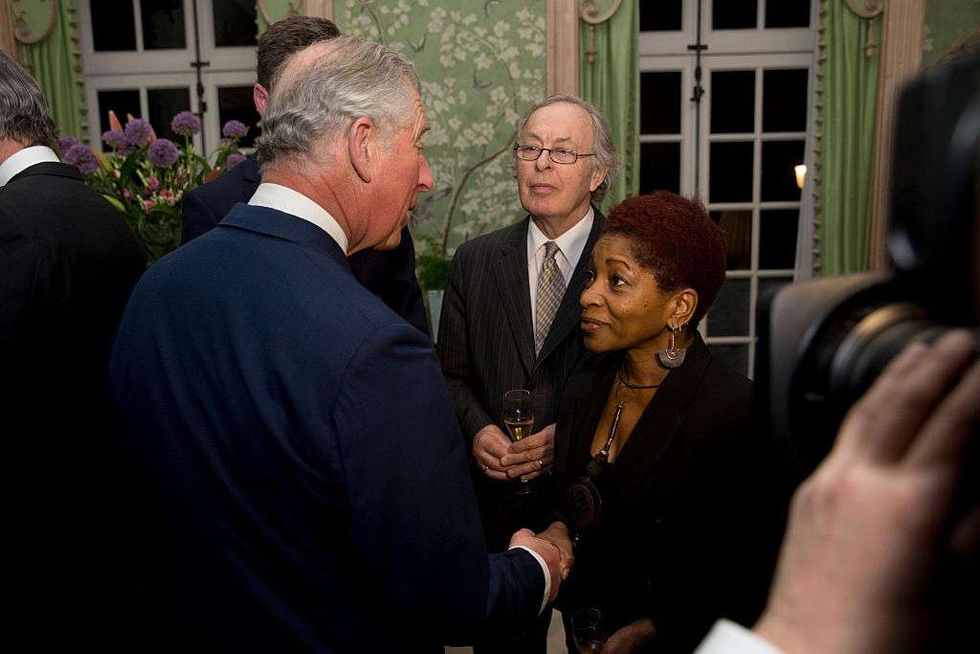 Prince Charles, Prince of Wales meets American-British playwright, novelist and critic Bonnie Greer, right, during a reception for Americans living and working in the UK, at the official residence of the U.S. Ambassador to Britain, Winfield House on March 9, 2015 in London, United Kingdom. The reception was held Monday evening ahead of Prince Charles and his wife Camilla visiting the U.S. next week. Photo by Matt Dunham - WPA Pool/Getty Images
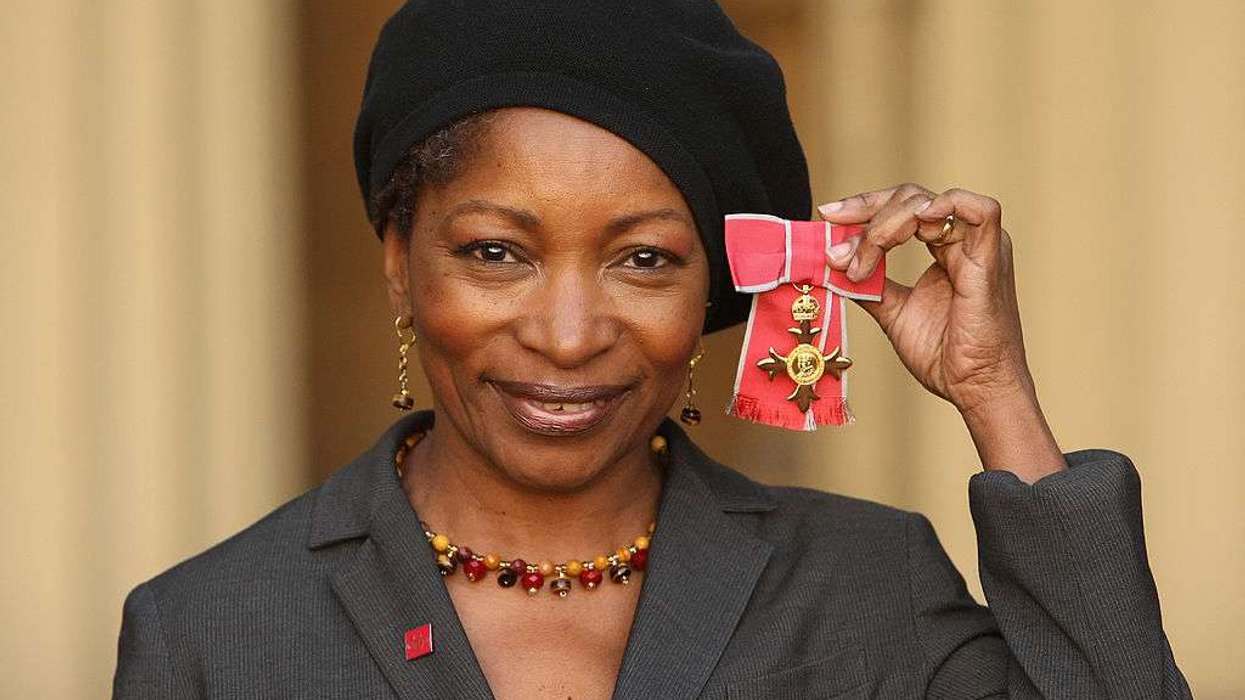
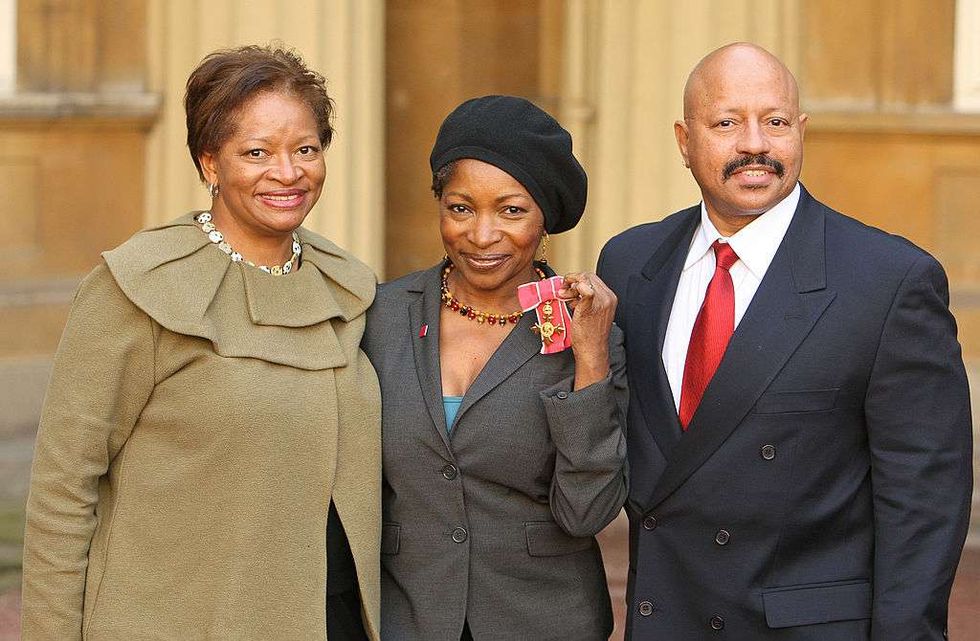 Playwright Bonnie Greer, (C) poses with her sister Regina Greer-Smith, and brother-in-law Theron Smith, after she was awarded her Officer of the British Empire (OBE) medal from the Prince of Wales, at an investiture ceremony at Buckingham Palace, November 19, 2010 in London. Dominic Lipinski - WPA Pool/Getty Images