

PRIME MINISTER Keir Starmer said he would defend decisions taken in his Labour government's first budget "all day long", while farmers protested over changes to inheritance tax.
Addressing a Welsh Labour Conference in Llandudno, north Wales, Starmer did not refer directly to the farmers' complaints, but he said he stood by the decisions made in finance minister Rachel Reeves' Oct. 30 budget statement.
"Make no mistake, I will defend our decisions in the budget all day long," he said.
"I will defend facing up to the harsh light of fiscal reality, I will defend the tough decisions that were necessary to stabilise our economy."
While Starmer spoke, hundreds of farmers protested outside the conference venue over a budget measure that will mean more of them having to pay inheritance tax. Their protest included a convoy of tractors. Around 40 tractors parked outside the venue.
Farmers have warned that the move will threaten the viability of farms, force them to sell land, make produce more expensive and threaten food security.
One of the protesting farmers, Gareth Wyn Jones, told Sky News that Starmer had angered the farmers further by not speaking to them after his speech.
"It's so frustrating that he's run out the back door like a flippin' rat, people here have come here to talk to him," he said.
Farming unions have called the planned changes "disastrous", and around 200 farmers gathered outside the Welsh Labour conference in Llandudno on Saturday, where Starmer was speaking inside.
Demonstrators displayed signs reading "food shortage soon" and "Labour war on countryside".
Protest organisers Digon yw Digon, which means "Enough in Enough" in Welsh, accused the government of not "working or listening to us".
Farmers plan a major protest in London on Tuesday (19).
UK businesses have also warned that increased employment taxes and a rise in the minimum wage from the budget will stoke inflation and have a negative impact on investment and jobs.
(Agencies)


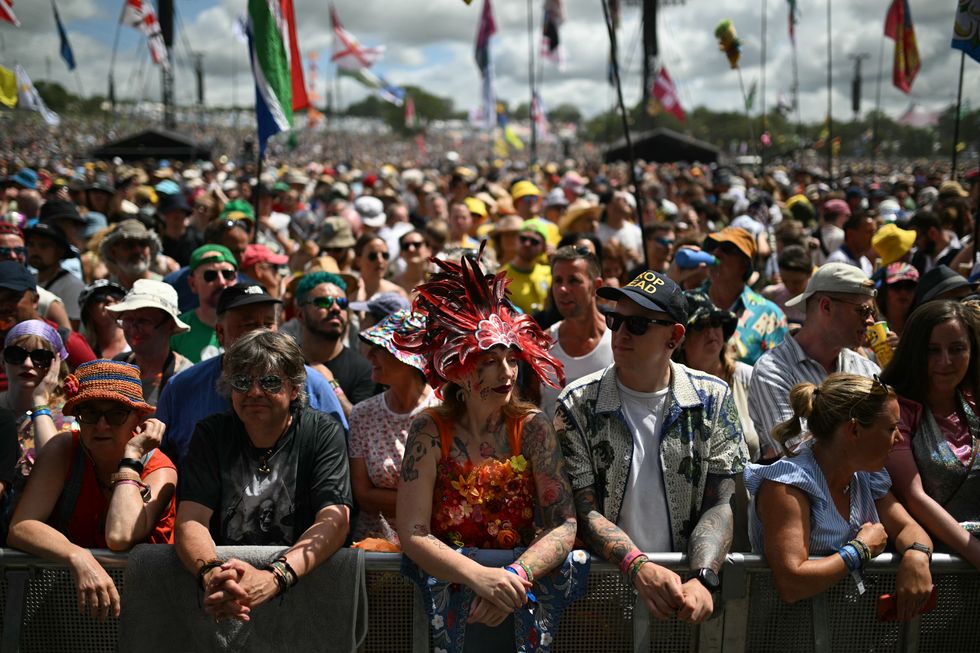 Festival goers at Glastonbury festival 2025Getty Images
 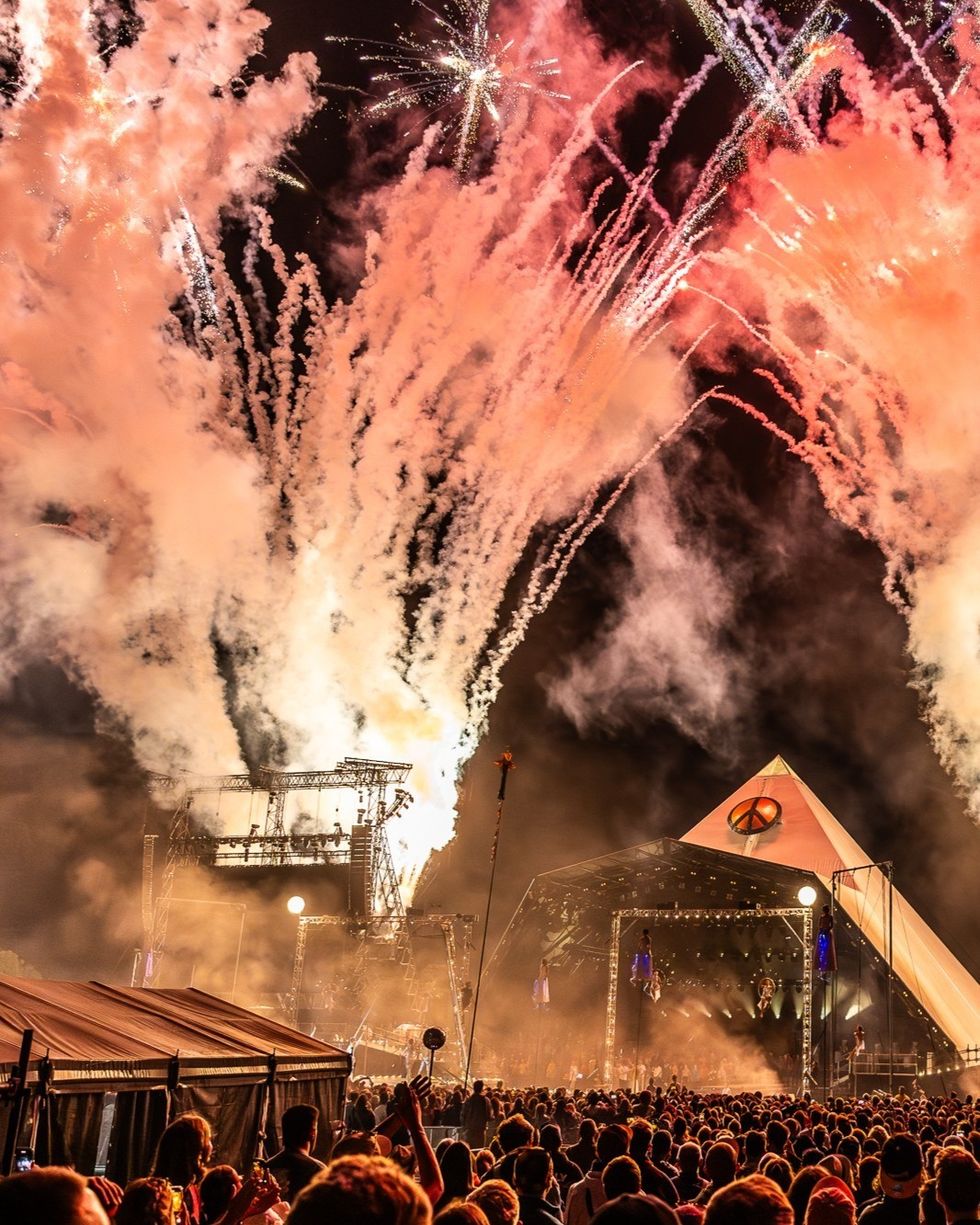 Pyramid Stage crowd swells ahead of the mystery Patchwork act rumoured to be Pulp Instagram/
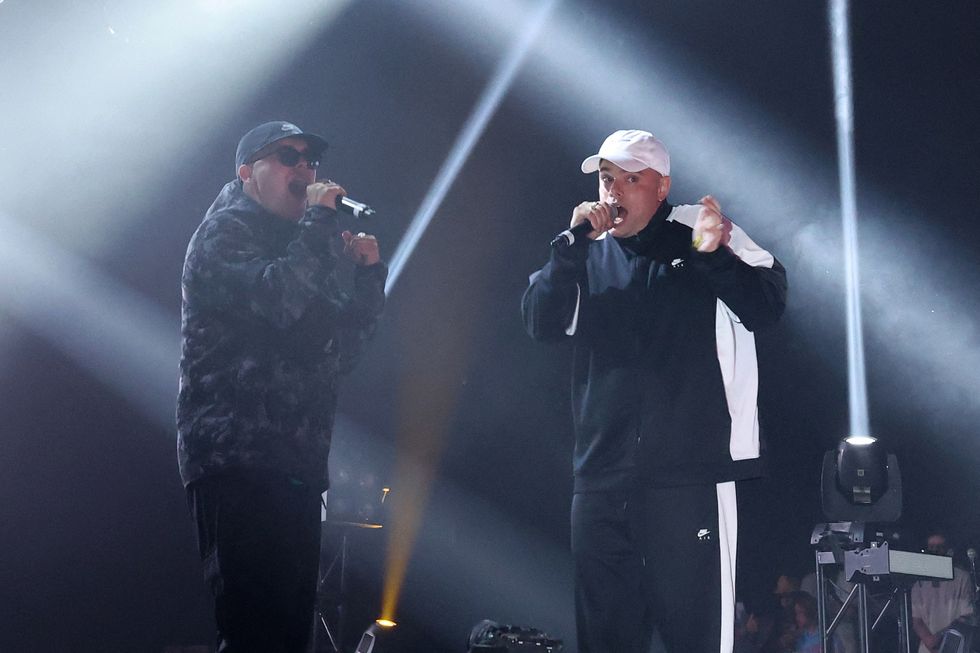 Kneecap welcome as political tension surrounds their setGetty Images
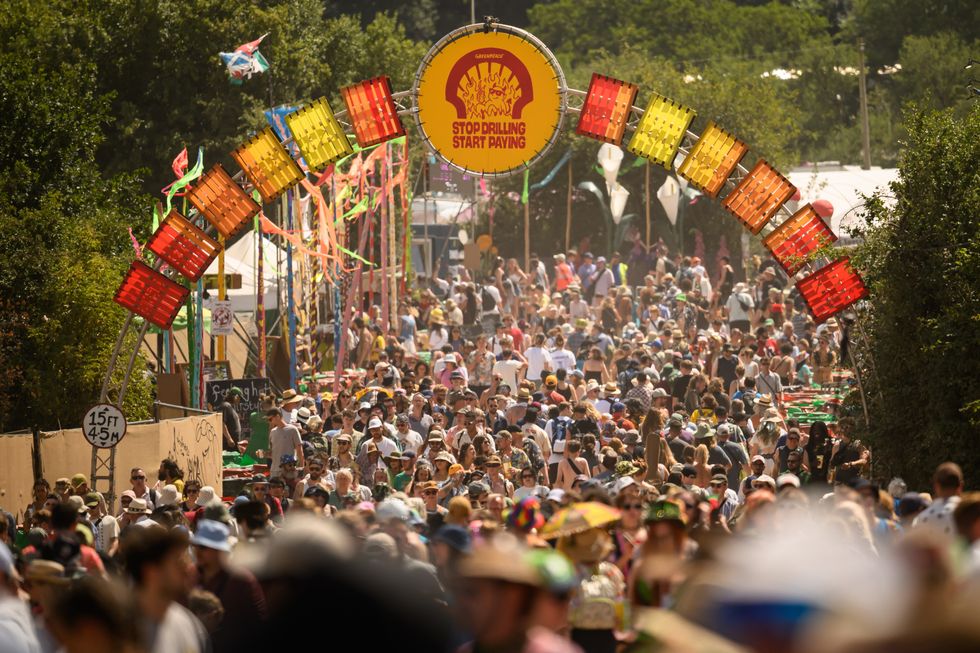 Crowds of festival-goers fill the pathways during day three of Glastonbury festival 2025Getty Images


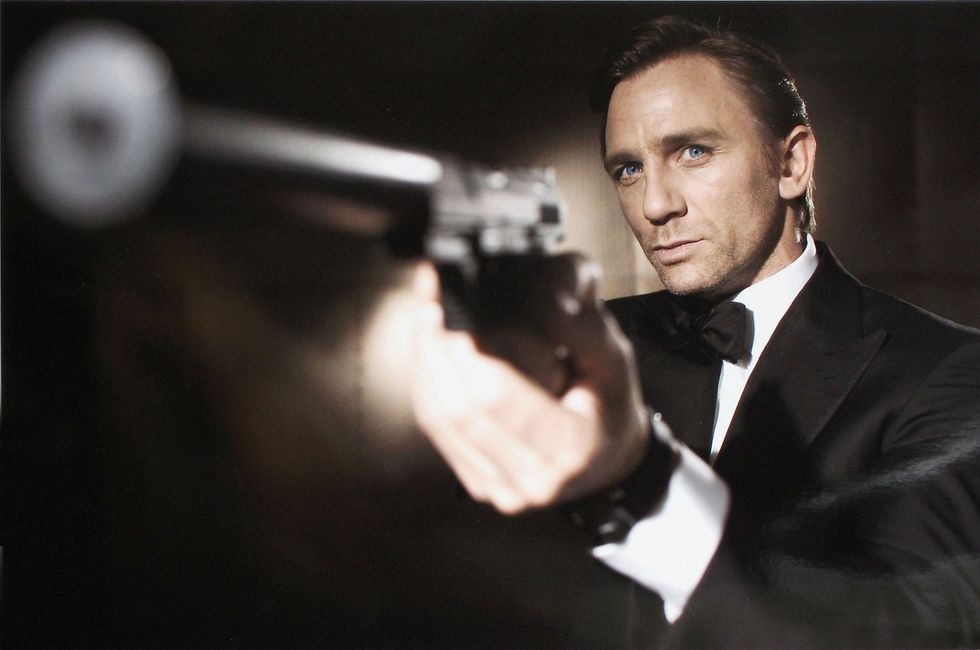 Daniel Craig poses as James BondGetty Images
  James Bond casting shortlist revealed with Tom Holland Jacob Elordi and Harris Dickinson in leadGetty Images
 Is this the youngest James Bond yet as Tom Holland Harris Dickinson and Jacob Elordi lead casting rumoursGetty Images
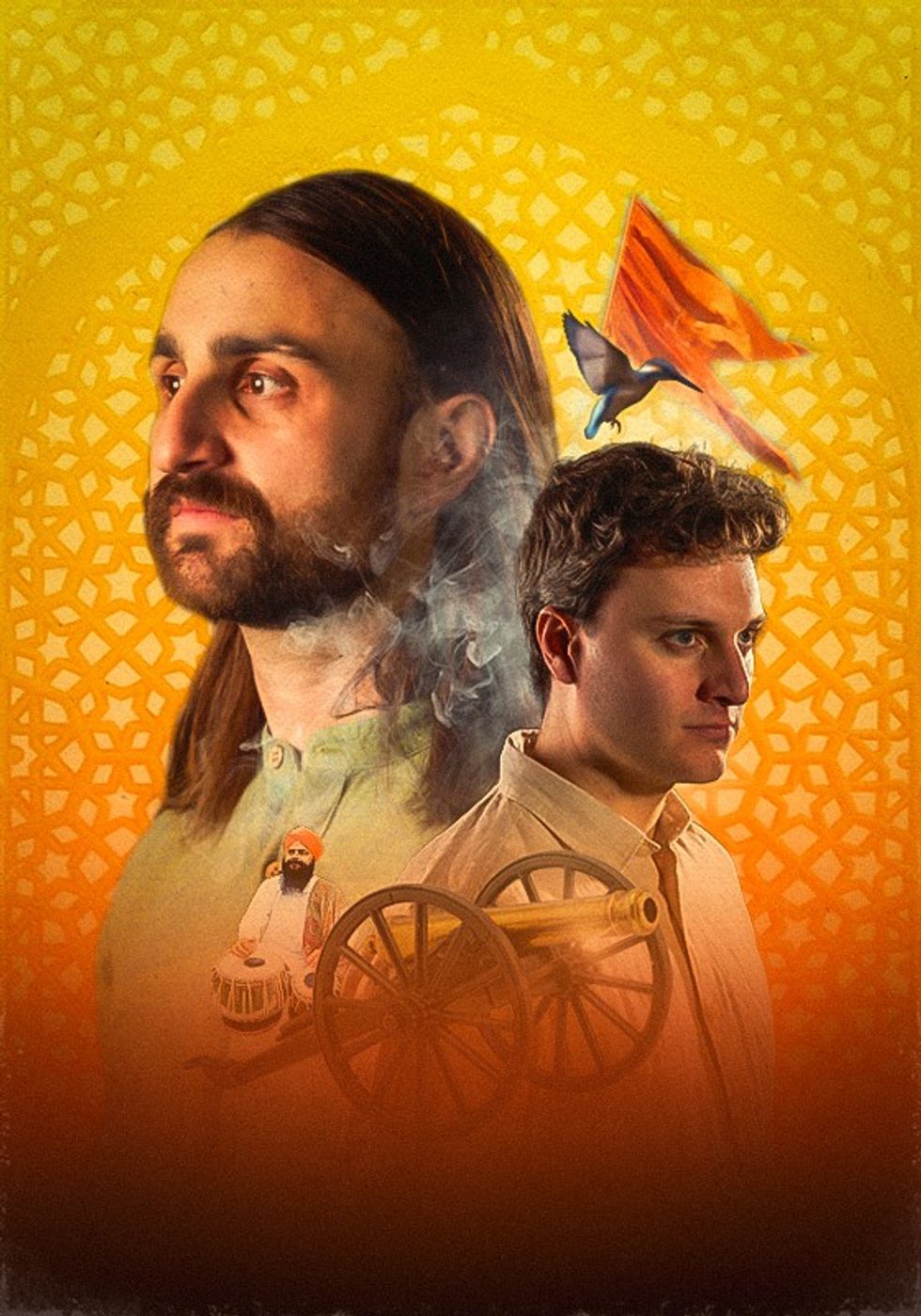 An explosive new play that fuses biting satire, history and heartfelt storytellingPleasance
Police may probe anti-Israel comments at Glastonbury