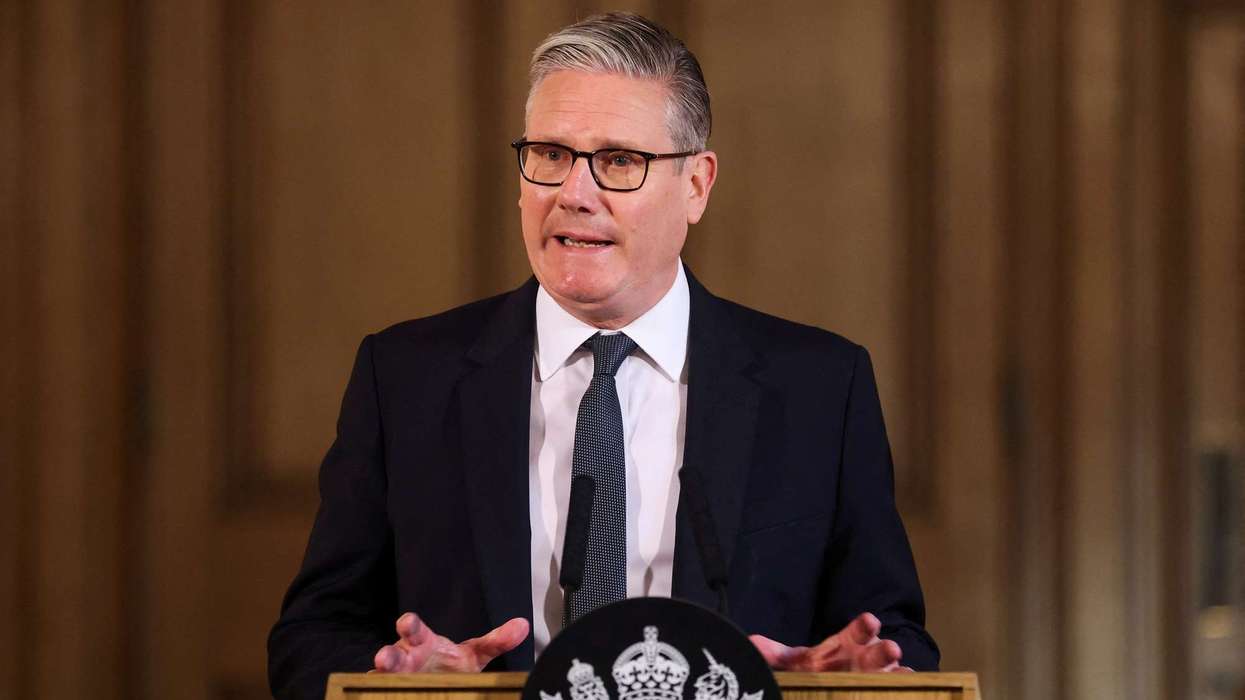

PRIME MINISTER Keir Starmer on Thursday defended his government against criticism from Labour’s longest-serving prime minister, Tony Blair, saying ministers had taken the right policy decisions to stabilise Britain after a period of flux.
Blair, who led Labour to victory in three general elections between 1997 and 2007, criticised Starmer and two potential rivals this week in a more than 5,000-word essay. He called on the party to focus on policy decisions rather than personalities or “knee-jerk responses” to Labour’s declining fortunes.
Starmer, who is facing low popularity ratings, said he welcomed debate on “policy and ideas” but disagreed with Blair’s assessment of the government’s record nearly two years after taking office.
“I don't agree that the policy choices of this government weren't the right policy choices, given what we inherited,” he told reporters.
“(It's a) very different situation in 2024 to 1997; and dealing with what we had to turn around, the policy choices were vindicated by them, because those changes have happened,” Starmer said.
Starmer pointed to improved relations with the European Union, a stabilising economy and lower waiting times in the public health service as achievements of his government. He also repeated that he had no plans to step down despite pressure from some within Labour.
Blair’s comments have continued to fuel debate within the party, with two possible contenders to replace Starmer — Greater Manchester mayor Andy Burnham and former health minister Wes Streeting — also rejecting his criticism.
On Wednesday, Burnham and Streeting said Blair had failed to understand how inequality in Britain was shaping new voting trends, including growing support for Reform UK and the Green Party.
After Labour suffered defeats in local elections and elections to the Scottish and Welsh assemblies earlier this month, Starmer has faced pressure over his leadership, with dozens of Labour lawmakers urging him to step aside.
Starmer has said he will continue and prove critics wrong by delivering the “change” he promised when Labour won the 2024 general election.