
Skip to content
Search

Latest Stories

Sri Lanka to procure 750 jeeps, 500 buses from India

Sri Lanka to procure 750 jeeps, 500 buses from India

SRI LANKA has decided to procure 750 jeeps and 500 buses from India under the credit line it received from New Delhi, the island nation's government announced in Colombo on Tuesday (4).

The decision to purchase the 750 jeeps from Indian auto manufacturer Mahindra & Mahindra was taken during a cabinet meeting on Monday (3).


"Police will have its fleet of vehicles upgraded with the procurement of jeeps from India under the credit line approved for the purpose," according to a statement issued by the cabinet.

Approval was granted to a proposal from the minister for public security to award the procurement contract to Mahindra & Mahindra.

A proposal from the minister for transport was also approved to purchase 500 buses of 32-35 seating capacity from India.

In 2020, India extended a $100 million (£73.88m) line of credit to Sri Lanka to help the island nation finance various projects.

In October 2021, Sri Lanka again sought a $500m (£369.41m) credit line from India to pay for its crude oil purchases amid a severe foreign exchange crisis in the country.

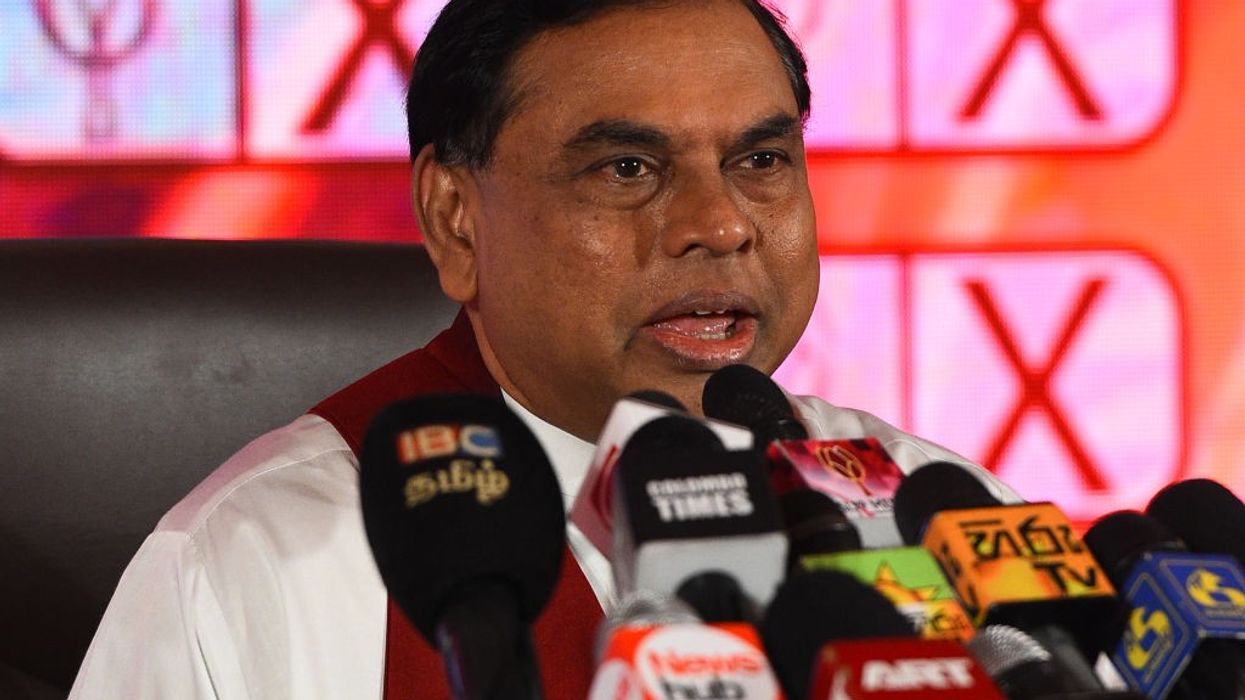
Basil Rajapaksa, the island nation's finance minister, visited Delhi last month to expedite economic cooperation with India.

(PTI)

More For You

Britain’s war cost paradox sees poorest gain as middle-income lose £480 to price rises

The figures exclude rising mortgage costs, so the impact on middle-income households could be higher than £480.

iStock

Britain’s war cost paradox sees poorest gain as middle-income lose £480 to price rises

Highlights

  • Middle-income households lose £480 this year from war-driven price rises.
  • Poorest families gain 1.2 per cent income growth from above-inflation benefits.
  • Families with 3+ children see 7.7 per cent income boost from two-child cap removal.
Middle-income families across Britain are bearing the financial burden of the Iran war, losing £480 this year to rising fuel and energy costs.
At the same time the poorest households are being protected by welfare increases that have pushed their incomes higher.

New research from the Resolution Foundation shows a clear divide in how different income groups are feeling the economic impact of the conflict.

The thinktank found that average working-age households, which were expecting income growth of 0.9 per cent before the war started, will now see their incomes fall by 0.6 per cent instead.

Keep ReadingShow less