
Sri Lanka announced Thursday (13) a long-awaited investigation into the massacre of 27 prisoners that became a symbol of the rights abuses allegedly perpetrated by the war-era regime.
Inspector-general of Police Pujith Jayasundara ordered the investigation into the 2012 bloodshed, when security forces allegedly gunned down inmates in cold blood.
Trouble erupted inside the maximum security Welikada prison when police conducted a sweep for drugs and allegedly faced off with inmates trying to grab their weapons.
Armed troops called in to restore order opened fire on the prisoners, killing more than two dozen.
The incident increased condemnation of former president Mahinda Rajapakse, whose regime was facing international sanctions for presiding over rights abuses in the final years of Sri Lanka's civil war that ended in 2009.
The inmates killed were being held over robberies at Sri Lanka's national museum and a temple, crimes allegedly linked to senior members of Rajapakse's regime.
No one has even been held responsible for the massacre, the worst violence at the prison since 50 inmates were hacked to death in a 1983 riot.
Rajapakse was defeated in January 2015 by president Maithripala Sirisena, who came to power in part on a promise to restore rule of law and ensure accountability for past atrocities and rights abuses.





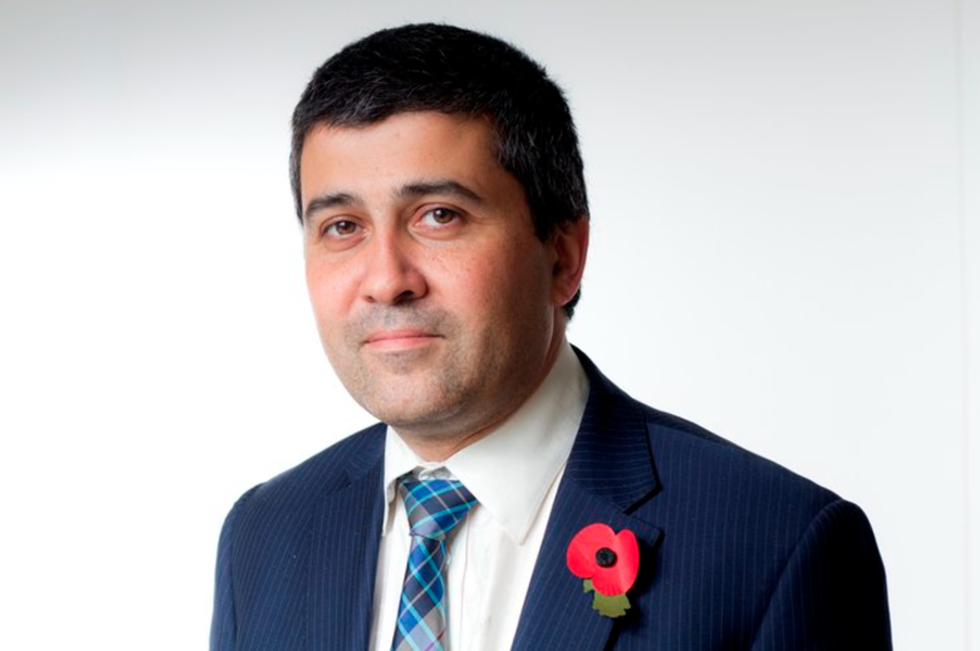 Sunder Katwala
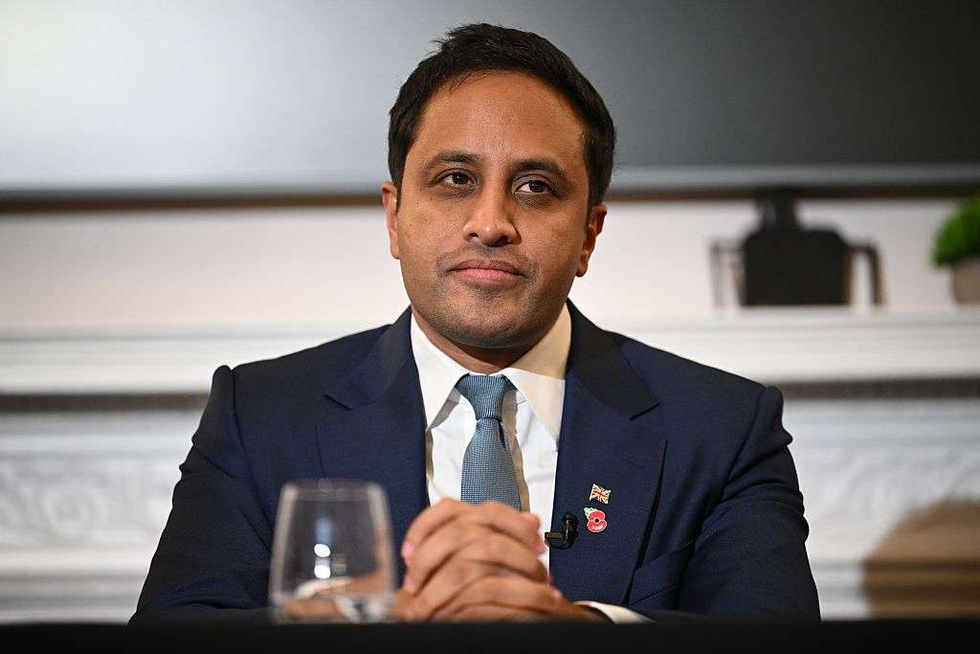 Reform UK spokesperson for home affairs, Zia Yusuf, attends a press conference with Leader of Reform UK Nigel Farage at The Clermont London Hotel on November 2, 2026 in London, United Kingdom. (Photo by Ben Montgomery/Getty Images)
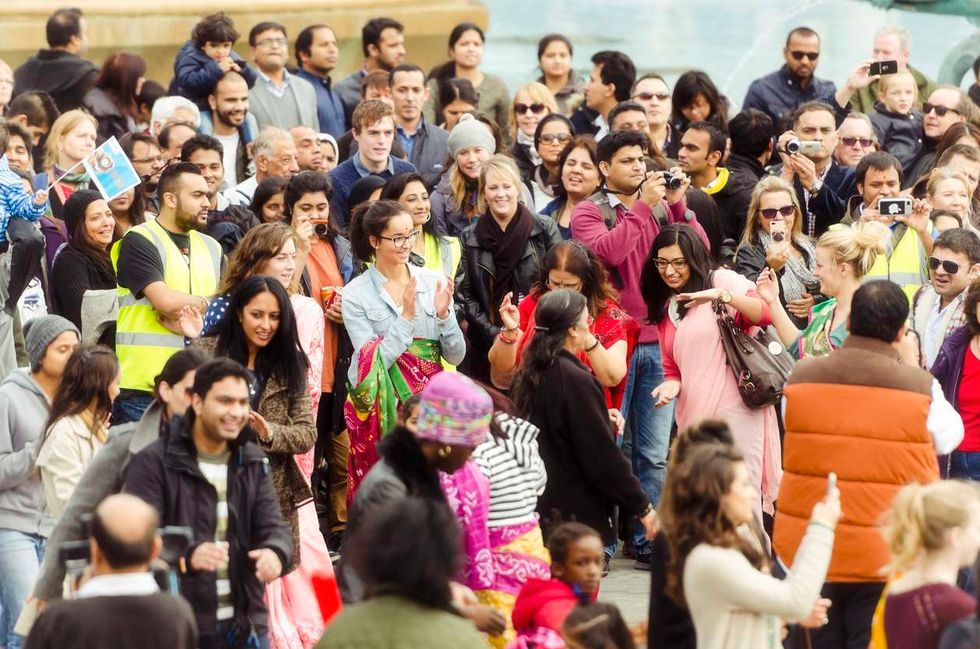 The decline has renewed calls for tighter immigration controls from the Conservatives.


