
SRI LANKA abandoned its quest to become the world's first completely organic farming nation on Sunday (21), announcing it would immediately lift an import ban on pesticides and other agricultural inputs.
The island country has been in the grips of a severe economic crisis, with a depleting foreign exchange triggering shortages of food, crude oil and other essential goods.
Authorities had already walked back restrictions on fertiliser imports last month for tea, the country's main export earner.
But ahead of planned farmer protests in the capital, Sri Lanka's agricultural ministry said it would end a broader ban on all agrochemicals including herbicides and pesticides.
"We will now allow chemical inputs that are urgently needed," ministry secretary Udith Jayasinghe told the private News First TV network.
"Considering the need to ensure food security, we have taken this decision."
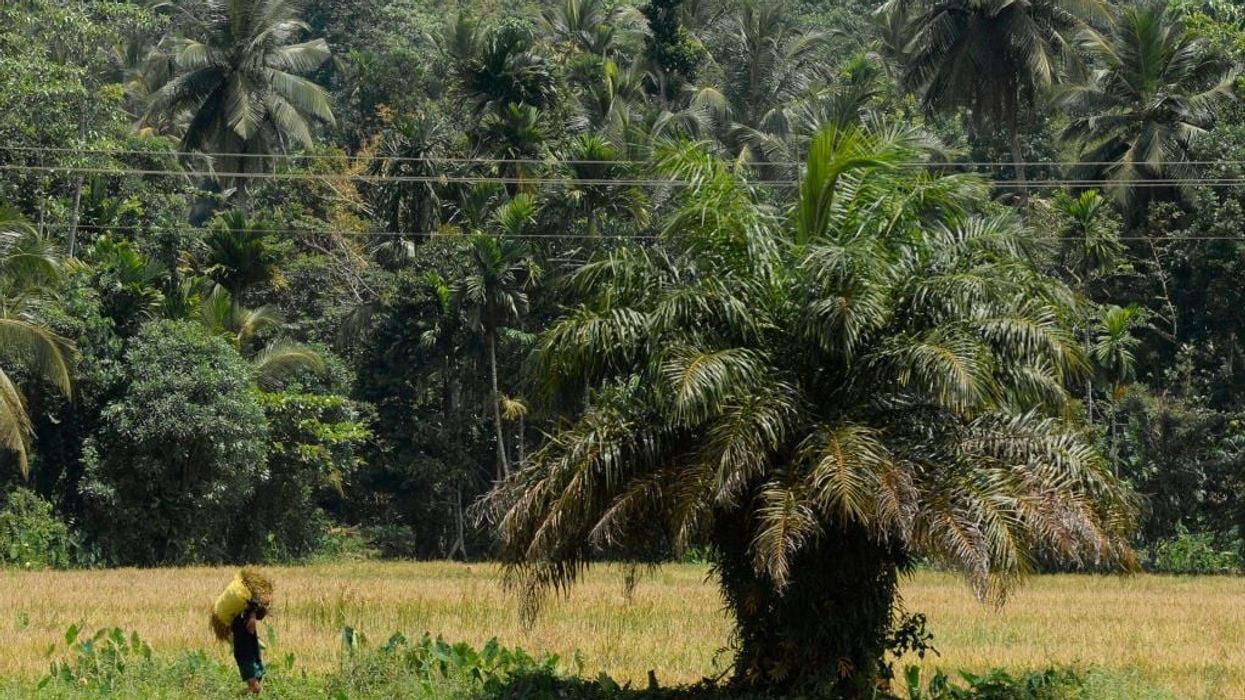
Vast tracts of farmland were abandoned after the import ban, first introduced in May.
Shortages have worsened in the past week, with prices for rice, vegetables and other market staples having doubled across Sri Lanka.
Supermarkets have also rationed rice sales, allowing only five kilograms (11 pounds) per customer.
Farmers' organisations had planned to march to the national parliament in Colombo on Friday to demand the import of essential chemicals to protect their crops.
President Gotabaya Rajapaksa had justified the import ban by saying he wanted to make Sri Lankan farming 100 per cent organic.
The policy was introduced after a massive hit to the cash-strapped island's economy in the wake of the Covid-19 pandemic, with tourism earnings and foreign worker remittances drastically falling.
Authorities attempted to save foreign exchange last year by banning a host of imports, including some food and spices.
Sri Lanka also shut its only oil refinery last month after running out of dollars to import crude.
(AFP)