
Highlights
- Licensing reforms let pubs host events and serve outdoors with ease
- South Asian workers turned pub rejection into a thriving desi pub scene.
- South Asian pubs mix Indian cuisine, Punjabi beats, and British pub culture.
From rejection to reinvention
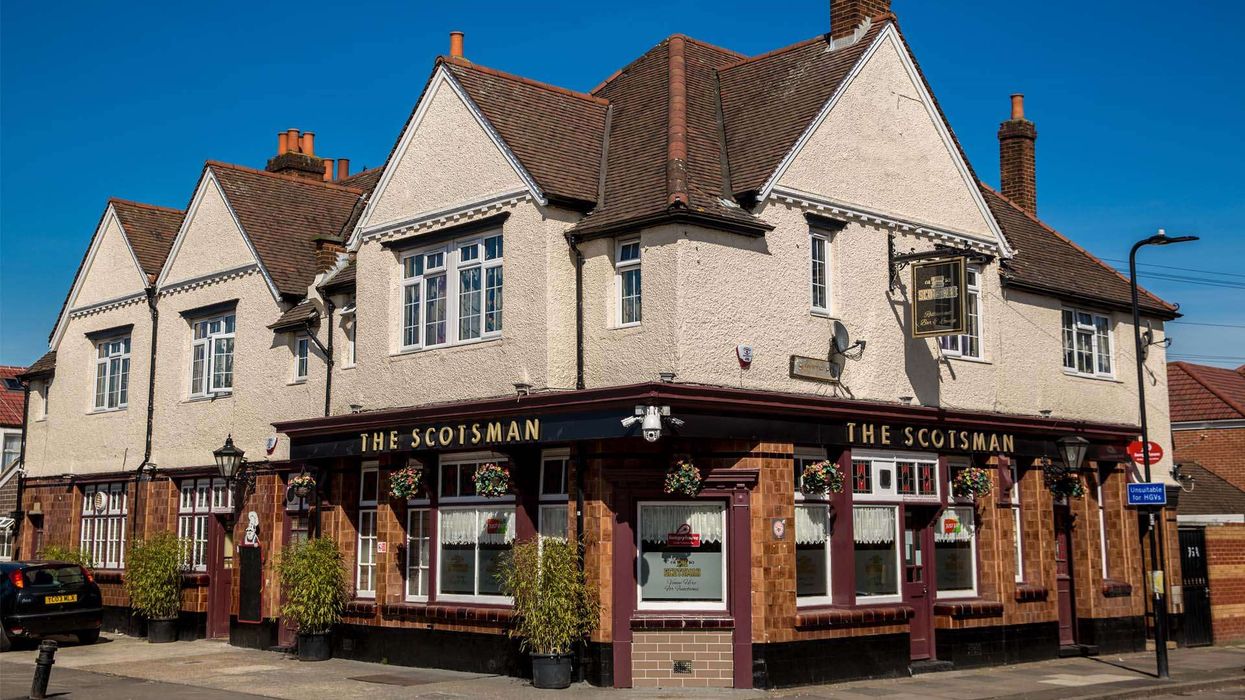
When south Asian foundry and factory workers arrived in England decades ago, they faced a harsh reality, refusal at the pub doors and their response was by building their own. From The Scotsman in Southall over 50 years old, run by Shinda Mahal, to Birmingham’s The Grove and The Covered Wagon, these establishments emerged as immigrant workers from India, Pakistan, and Bangladesh moved to the West Midlands.
Now, as the UK government launches a fast-track review to scrap outdated licensing rules, these south Asian pubs stand ready to write a new chapter in British hospitality. “Pubs and bars are the beating heart of our communities. Under our Plan for Change, we’re backing them to thrive”, said prime minister Keir Starmer.
The new reforms aim to slash pointless restrictions that have stifled community events and local venues for years. From serving food outside to hosting live music, red tape has made simple operations unnecessarily complex. For south Asian pub owners, who have already overcome decades of resistance, this signals an opportunity to expand while maintaining the cultural spaces they fought to establish.
The spirit of the Desi pub
The documentary Rise of the Mixy directed by Gurudev Singh chronicles how these establishments emerged from racial resistance to become the symbols of British Asian culture, combining public houses with Indian food and Punjabi music.
"I think in the Midlands there's a strong sense of community, especially among Asians and Punjabis," Gurudev told the BBC. This community spirit defines desi pubs, where tandoori mixed grills sizzle alongside draught ale and dartboards.
David Jesudason, Beer Writer of the Year 2023 and the author of Desi Pubs, in an interview with LBC Blog told “Many metropolitan city dwellers particularly in gentrified London have no idea about this kind of ground-level work. But none of it wouldn’t have taken place without desi landlords taking over failing pubs and making them inclusive spaces”.
A toast to the future
The timing couldn't be better. The beer and pub sector supports over £30 billion being pushed into the economy, £18 billion in taxes, and one million jobs, according to the British Beer and Pub Association. Yet the industry faces mounting pressures. Approximately 46,000 pubs are trading across the UK as of early 2025, with closures threatening communities nationwide.
A Frontier Economics report highlights how UK pubs serve residents and visitors alike, supporting jobs whilst delivering vital social value. South Asian pubs are reshaping this landscape with fresh energy while cherishing British traditions. Over the last 20 years, West Midlands south Asian-owned public houses have transformed from regional particularity into a trend capturing national press attention and online food bloggers. The reforms promise practical relief.
Pubs will find it easier to host community events, extend trading hours, and use outdoor spaces without bureaucratic hurdles. For desi establishments already juggling cultural events, live music, and food service, this means freedom to innovate without constantly battling licensing restrictions.
Nick Mackenzie, co-chair of the Licensing Taskforce and CEO at Greene King, emphasised the sector's challenges: "Pubs are faced with continued rising costs, placing them under enormous pressures, which is why the government must continue to back the sector, including critical reforms on business rates which would unlock opportunities for pubs to invest and help drive economic growth."
For south Asian pub owners, the message is clear, the barriers that once kept their grandparents out of British pubs won't be the same ones holding back their businesses. From The Scotsman to countless West Midlands establishments, these venues represent resilience, integration, and a uniquely British Asian an identity. As red tape falls away, they're poised to show that the best of British pub culture can flourish with a distinctly south Asian flavour no permission slips required.