
A NEW interactive website exploring the history and contributions of South Asians in Britain has been launched to mark South Asian Heritage Month 2025, which runs until August 17.
The website, South Asian Britain: Connecting Histories, features more than 750 entries and 30 oral histories. It includes digitised archival documents, network diagrams and maps covering South Asian presence in Britain from the 1830s to the present.
The resource is part of the research project ‘Remaking Britain: South Asian Connections and Networks, 1830s to the Present’, led by the University of Bristol and Queen Mary University of London in partnership with the British Library, and funded by the Arts and Humanities Research Council.
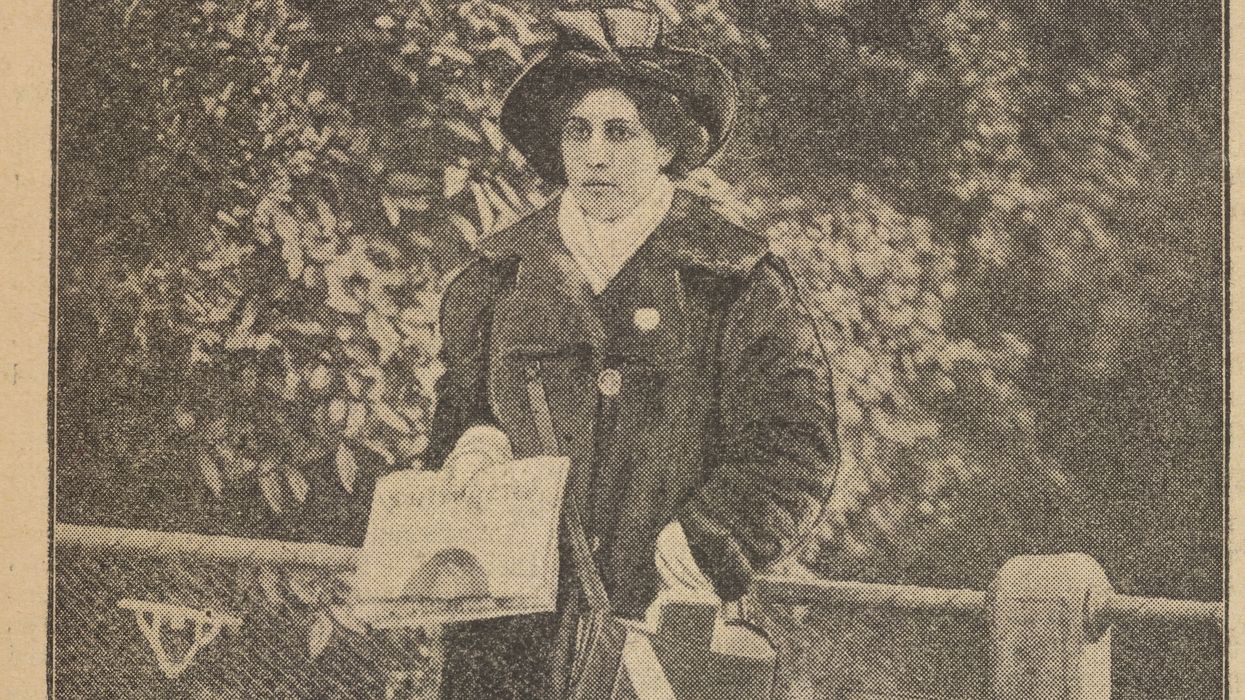
It highlights notable figures such as Dadabhai Naoroji, Sophia Duleep Singh, Kamal Aton Chunchie and Freddie Mercury, alongside contemporary personalities like Rishi Sunak, Sadiq Khan, Meera Syal, Riz Ahmed, Nadiya Hussein and Malala Yousafzai. It also documents underrepresented communities including LGBTQIA+ individuals and those from working-class or caste-oppressed backgrounds.
Professor Sumita Mukherjee said: “We’re delighted to launch South Asian Britain: Connecting Histories for South Asian Heritage Month 2025. This project has been very much a team-effort, and we are grateful to all our collaborators, partners and participants who have helped us develop and shape this wonderful resource.”
Dr Rehana Ahmed said: “One of our key motivations has been to extend this research to all the four nations of the United Kingdom from the Outer Hebrides to Cornwall to Belfast to Huddersfield and we are delighted to share many unexpected stories and connections made by South Asians across the centuries.”
Dr Florian Stadtler added: “We hope this resource will be used by the widest possible audiences and that it will inspire multiple generations around the world of all heritages. The stories we showcase – of the challenges of migration, of activism and resistance, of cultural production and of family life – are universal.”
The launch event is being held at Chapter Arts Centre in Cardiff on 22 July, with more events planned in the autumn, including at the British Library on 19 September. The resource is available at southasianbritain.org.