
Skip to content
Search

Latest Stories

Submit Guest Post

One dead, two under treatment after meningitis cases in Reading

Specialists from the UK Health Security Agency (UKHSA) South East are working with local authority and NHS partners following three cases of meningococcal infection (meningitis) in young people in Reading.

Meningitis outbreak
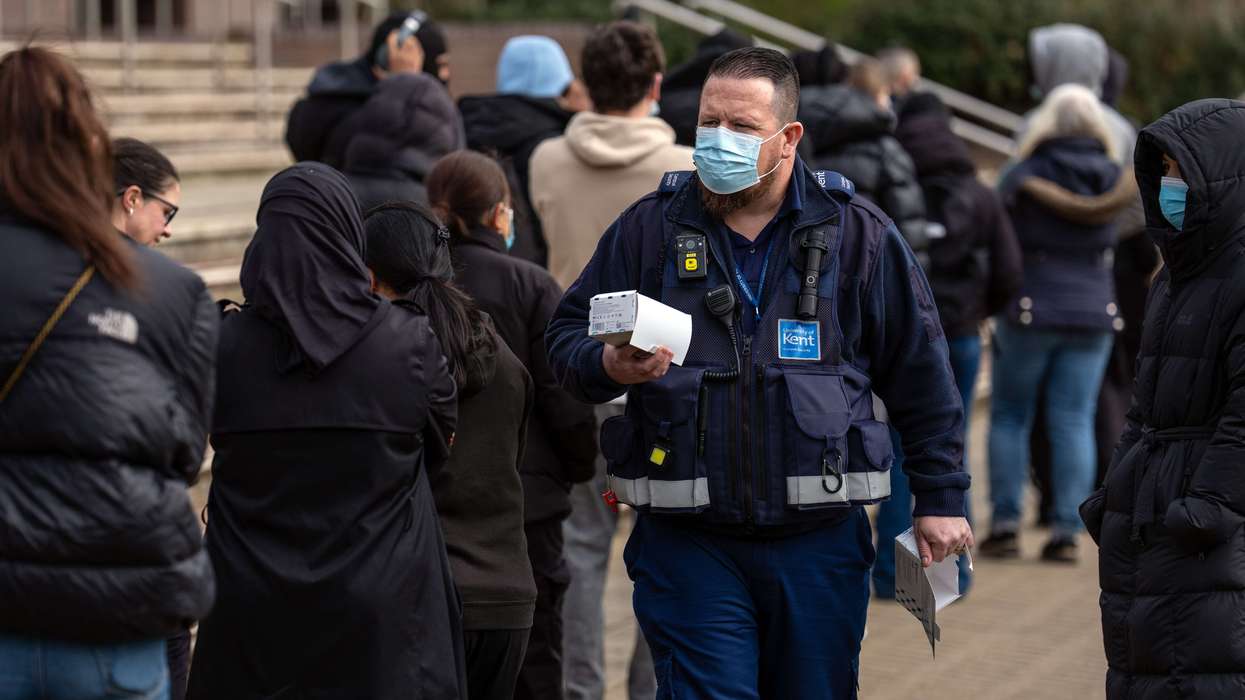
A campus security guard hands out face masks to staff and students queueing to receive antibiotics at the University of Kent in Canterbury after an outbreak of meningitis caused the deaths of two people, on March 16, 2026.
Getty Images


ENGLAND has reported three cases of meningococcal infection, also known as meningitis, among young people in southern England, with one person dying from the disease, the UK health agency said on Thursday.

“Specialists from the UK Health Security Agency (UKHSA) South East are working with local authority and NHS partners following three cases of meningococcal infection (meningitis) in young people in Reading,” it said.


“Sadly, one of the individuals has died,” it said, without providing further details. “The other two cases are receiving appropriate treatment.”

According to local media reports, the victim attended Henley College in Henley-on-Thames.

Meningitis is an infection of the lining surrounding the brain and spinal cord. It is transmitted through respiratory droplets or throat secretions from infected people.

The disease can be fatal and, without treatment, can cause neurological damage, including deafness, among young children.

A meningitis outbreak in south-east England claimed two lives in March.

The victims were linked to a nightclub, which has since closed. A vaccination programme covering around 5,000 students was launched after the outbreak.

In the United Kingdom, a vaccine against meningitis B has been recommended for infants since 2015.


Add EasternEye As Your Trusted Source
preferred source on google news

More For You

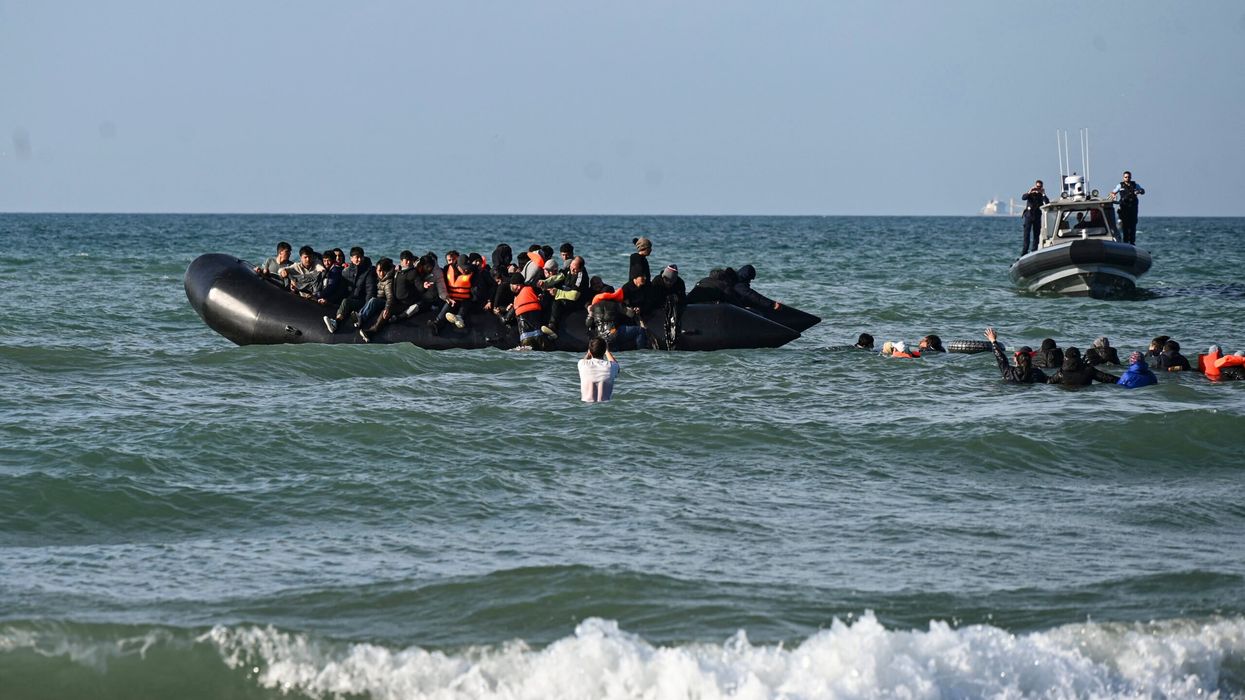
Migrants boat
Migrants swim to board a smugglers' boat in order to attempt crossing the English channel off the beach of Audresselles, northern France.
Getty Images

Whistleblower says asylum system riddled with fraud, 'almost no aspect' works properly

  • Whistleblower says only around 1% of asylum claims are genuine
  • Hundreds of fraudulent "package claims" from Iraqi Kurdish, Pakistani and Bangladeshi applicants
  • Asylum grant rate has fallen from 77% in 2022 to 38% this year
  • Home Office says it has "robust processes to test credibility and identify fraudulent claims"

ONLY one in 100 asylum claims are genuine, according to a whistleblower who has revealed widespread fraud and dysfunction in the system.

The Home Office official, referred to as "J", who has worked for years as a decision-maker on asylum, told The Times that asylum seekers from certain countries use the "same script" in what he and colleagues describe as "package claims".

Keep ReadingShow less