
A clinical trial testing a novel cancer immunotherapy, which may prevent skin cancer from recurring, is currently on in Britain.
The "personalised" mRNA vaccine is being tested against the deadliest form of skin cancer - melanoma.
One of the first patients to sign up for the trial is Steve Young, 52, from Stevenage, Hertfordshire.
He was diagnosed with stage II melanoma with a growth on his scalp. The growth was cut out last August.
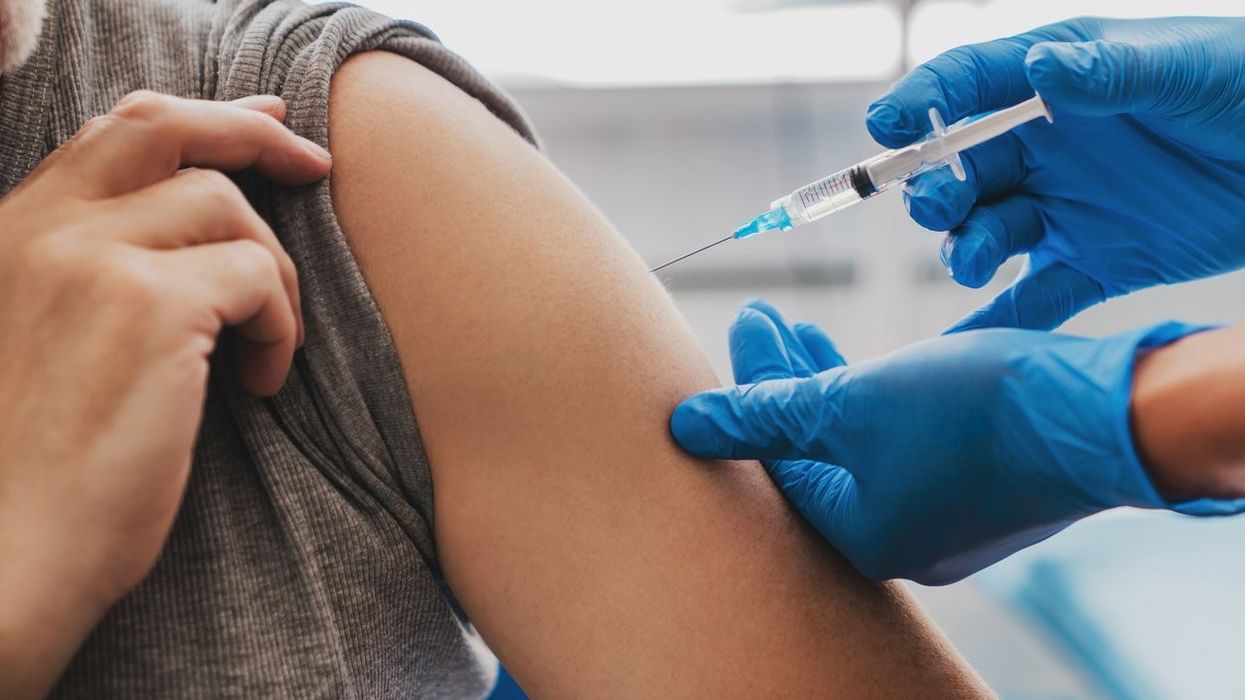
The jab, mRNA-4157 (V940), uses the same technology as current Covid vaccines and is undergoing Phase III trials.
As the vaccine is personalised, its make-up can be changed to suit individual patients.
It is designed to help the immune system recognise and wipe out any remaining cancerous cells.
The aim is to destroy any rogue cells that might not show on scans.
University College London Hospitals doctors are giving it alongside another drug, pembrolizumab or Keytruda, that also helps the immune system kill cancer cells.
The jab is an individualised neoantigen therapy and can trigger the immune system to fight the patient's specific type of cancer.
“The idea behind this immunotherapy is that, by prompting the body to make these proteins, it can prepare the immune system to quickly identify and attack any cancer cells bearing them,” said Heather Shaw, the national coordinating investigator of the new trial.
The UK leg of the trial aims to recruit at least 60-70 patients. They must have had their high-risk melanoma surgically removed in the last 12 weeks to ensure the best result.
The Phase III trial, named INTerpath-001, will enrol around 1,089 patients across the world.
Melanoma is characterised by the uncontrolled growth of pigment-producing cells. Nearly 3,25,000 new cases were diagnosed worldwide in 2020.
The mRNA technology was developed by Moderna in association with Merck Sharp and Dohme. It is expected to contribute to new treatments for cancer patients.