
Skip to content
Search

Latest Stories

Submit Guest Post

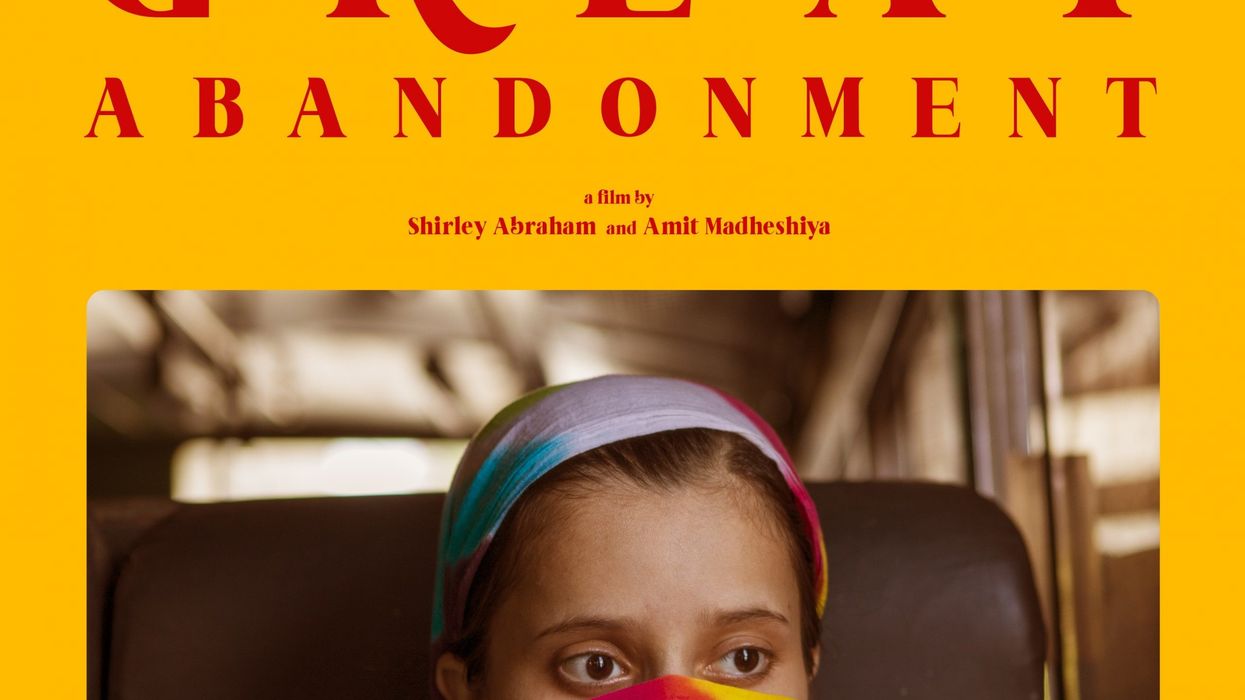
Shirley Abraham-Amit Madheshiya's documentary on migrant workers exodus wins Human Rights Press Award

The Great Abandonment is available on the official website of The Guardian.

Shirley Abraham-Amit Madheshiya's documentary on migrant workers exodus wins Human Rights Press Award

The Great Abandonment, a documentary by filmmakers Shirley Abraham and Amit Madheshiya on India's migrant exodus during the Covid-induced nationwide lockdown in 2020, was on Wednesday announced as the winner in the 'Documentary English' category at the Human Rights Press Awards.

The awards, announced on World Press Freedom Day on May 3 every year, are given in recognition of outstanding reporting on human rights issues across Asia.


Abraham and Madheshiya, known for their feature documentary Cinema Travellers and short documentaries Searching for Saraswati, The Hour of Lynching: Vigilante Violence in India, said it is humbling to receive the honour for their latest work.

"The Great Abandonment, our film about the exodus of migrant workers, has won first prize at the Human Rights Press Awards, awarded by Human Rights Watch. It was adjudged the best documentary (available) in English and was recognised as an 'Extraordinary documentary where the absence of narrative and journalistic voices allows the voices of the afflicted - and their faces, in moving silence - to be the focus.' "The news has just been announced on the occasion of World Press Freedom Day. The film was made in a difficult and delicate political moment, and it is humbling to see it recognised," the filmmakers said in a joint statement.

According to the official synopsis of the 27-minute documentary shared by Abraham and Madheshiya, "In 2020, India announced one of the harshest Covid lockdowns in the world, causing nearly 200 million migrant labourers to be stranded without wages, food and housing. "Many undertook long journeys to return to their home villages, while others, caught in limbo with their families, were forced to wait, living on the street or under flyovers they had once laboured to build."

The film, supported by the Pulitzer Center and Field of Vision and co-produced by the British publication The Guardian, premiered at IDFA and has played at prestigious festivals including Sheffield Doc Fest, Palm Springs Short Fest and Doc Edge International Documentary Film Festival. Human Rights Press Awards, given by Human Rights Watch and the Walter Cronkite School of Journalism and Mass Communication at Arizona State University, also recognised reporting on the fifth wave of Covid that engulfed Hong Kong, the Myanmar military's persecution against the Rohingya, and human trafficking of African students by Taiwanese universities as part of the winners' line-up of the 2023 Human Rights Press Awards.

The awards were previously administered by the Foreign Correspondents’ Club of Hong Kong, but Human Rights Watch and Arizona State University assumed responsibility after the Chinese government’s imposition of the national security law in Hong Kong in June 2020 which led to the closure of at least nine media outlets there.

The Great Abandonment is available on the official website of The Guardian.

Add EasternEye As Your Trusted Source
preferred source on google news

More For You

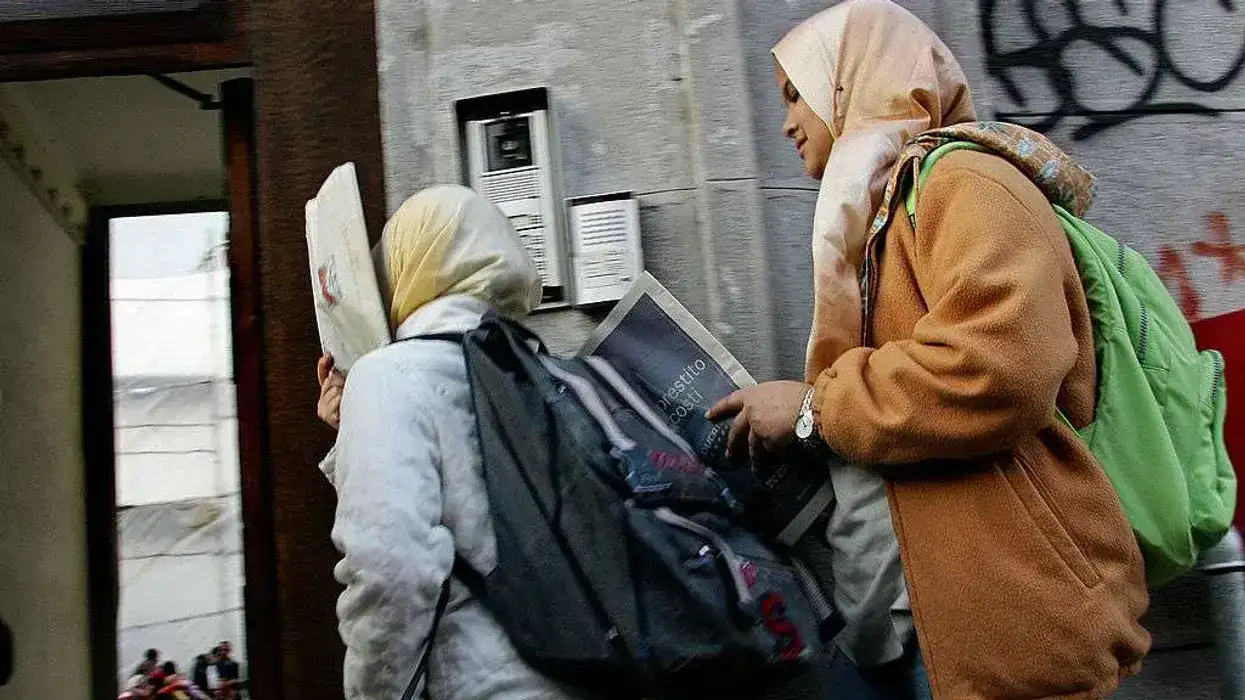
Tackling hostility against Muslims matters for everyone

Anti immigration protesters attend the 'Glasgow Reclaims The Streets From Far-right Hatred And Violence' anti-racism protest on June 13, 2026 in Glasgow, Scotland.

Getty Images

Tackling hostility against Muslims matters for everyone

Sunder Katwala

Born in the mid-1970s I felt part of a lucky generation, which gained from pushing back the overt racism of that era. When we talk about stronger “social norms”, what we mean is that few people thought that monkey chants at the football or racist jokes on the telly were normal anymore – while more had Asian and black colleagues, neighbours and friends.

That past progress is put to the test today. A terrible crime in Belfast saw organised efforts at indiscriminate racist attacks on migrants and ethnic minorities, whose only connection to the crime was the colour of their skin. Those seeking to make racism fashionable again have the online megaphone of the world’s richest man, Elon Musk, on their side.

Past progress could be experienced unevenly, too. Being of mixed Indian and Irish Catholic parentage, I saw both identities rise in status once the BBC comedy Goodness Gracious Me inverted who could tell the jokes, and peace broke out in Northern Ireland. Yet, British Muslims of my generation felt under more intense scrutiny after the 9/11 terrorist attacks.

Efforts to tackle anti-Muslim hatred risked being stalled by arguments over what to call it and how to define it. The government’s new definition of anti-Muslim hostility seeks to transcend the confusion that the term “Islamophobia” could generate. But the challenge is not just to define the prejudice – but to find effective ways to shrink it.

There are sobering findings on the starting points in new research from British Future and the British Muslim Trust. More than half of British Muslims report experiencing prejudice based on their religion last year – a quarter in person and over a third online. A third of the public hold mostly negative views. One in six endorse sweeping and often indiscriminate hostility. Anti-Muslim hostility can have about twice the social reach as prejudice against other faith or ethnic minorities.

Tackling this hostility cannot be the responsibility of Muslims alone. It will take a whole-of-society effort. After all, this is foundationally about the attitudes towards a six per cent minority group, held among the 94 per cent of us who are not Muslim.

Keep ReadingShow less