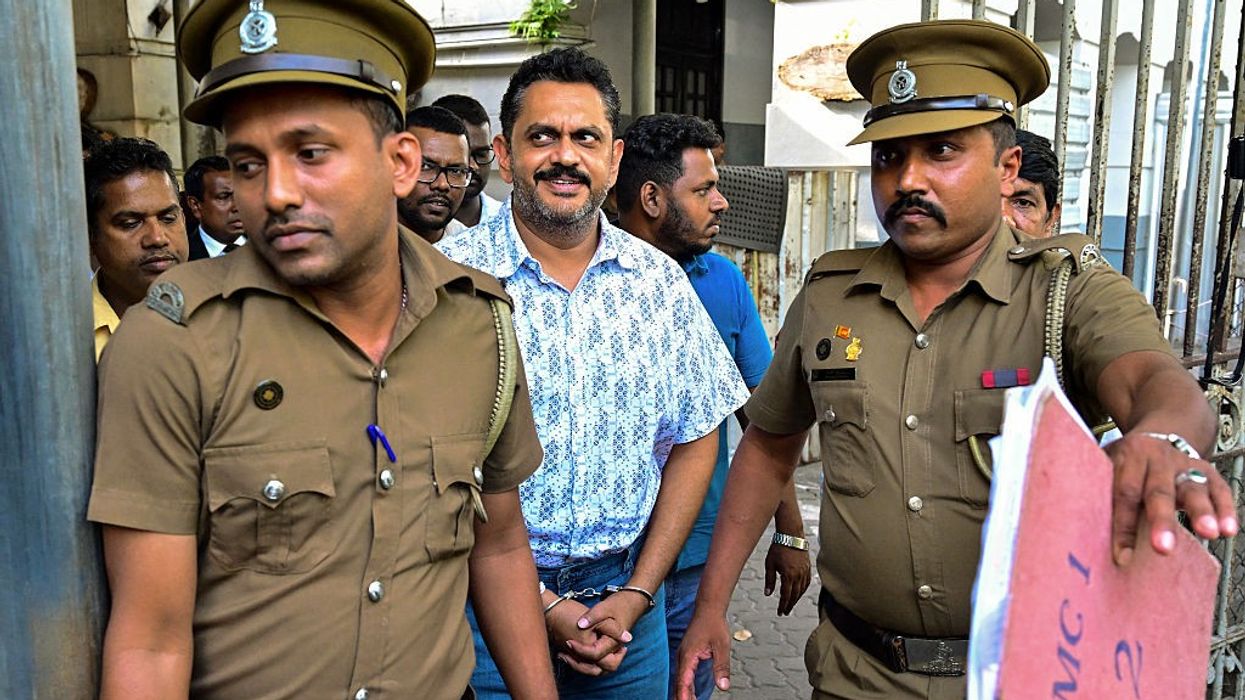

SRI LANKA’S anti-corruption authorities arrested a member of the Rajapaksa family last Wednesday (6), accusing him of illegally claiming reparations for property loss when his uncle was toppled as president three years ago.
The Commission to Investigate Allegations of Bribery or Corruption (CIABOC) said it arrested Shasheendra Rajapaksa, a former minister and nephew of two presidents, Mahinda and Gotabaya, and presented him before a Colombo magistrate.
Shasheendra became the first Rajapaksa to be arrested since the government of president Anura Kumara Dissanayake came to power in September, promising to investigate corruption. “Mr Rajapaksa is charged with corruption for coercing state officials into paying him compensation for damage to a property he claimed was his,” CIABOC said in a statement.
“However, this asset is located on state-owned land. He misused state land, claimed compensation he was not entitled to, and committed the offence of corruption.”
Shasheendra was remanded in custody until a preliminary hearing next Tuesday (19).
Two of Shasheendra’s cousins, Namal and Yoshitha, both sons of former president Mahinda Rajapaksa, are facing money laundering charges.
Yoshitha has told investigators that he raised a large sum of money from a bag of gems gifted by an elderly grandaunt, who has since stated that she could not recall who originally gave her the gems.
Mahinda’s brother-in-law, Nishantha Wickramasinghe, has been charged with causing losses to the state while he was the head of the national carrier, SriLankan Airlines. Basil Rajapaksa is also facing money laundering charges.