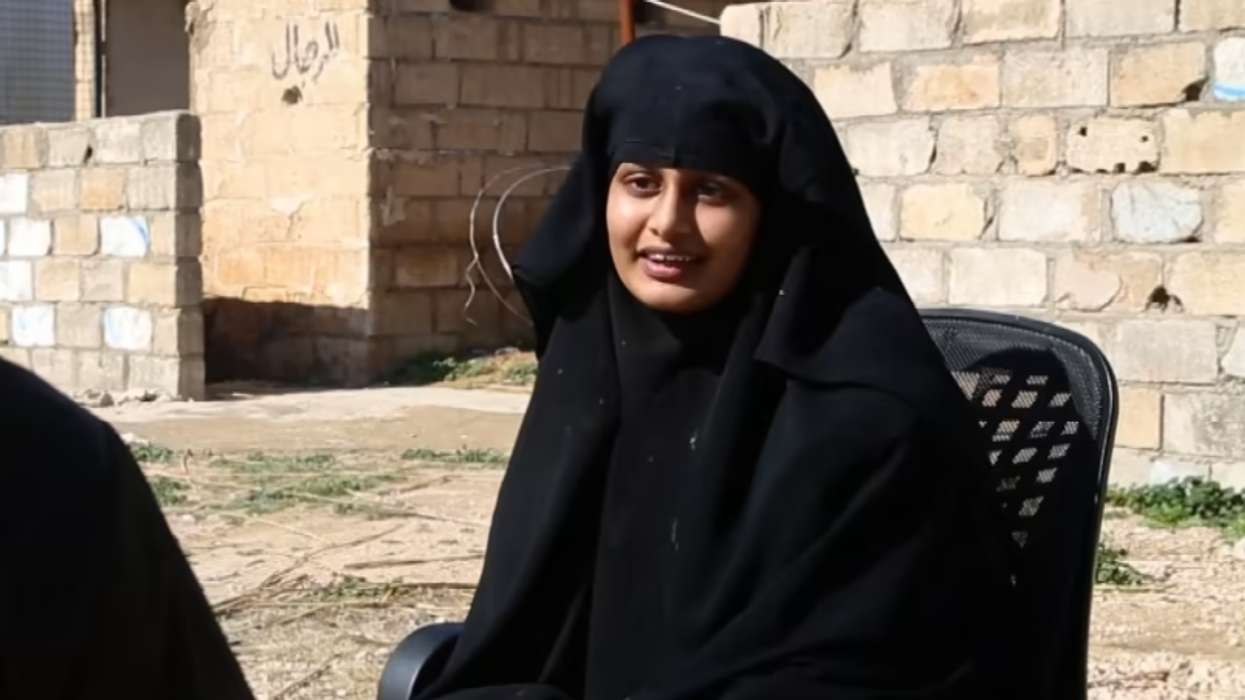

LEGAL hopes are rising for Shamima Begum, the London-born woman who joined the Daesh (Islamic State group) as a teenager, following potential changes in the Syrian political landscape.
Begum's lawyer, Tasnime Akunjee, said that the ongoing destabilisation of Syria could provide a fresh avenue for her return to Britain, the Telegraph reported.
According to him, the 25-year-old, who has been residing in the Roj refugee camp for five years, might benefit from emerging geopolitical shifts.
"The proportionality [argument] is bolstered by the current situation," Akunjee told reporters.
He highlighted the potential legal implications if the camp faces closure, arguing that forcing Begum into the volatile Syrian desert could pose greater risks than her potential threat to national security.
The case centres on Begum's controversial journey to Syria in 2015, when she was just 15 years old. She was born and raised in Tower Hamlets, east London, travelled to Syria via Turkey, prompting a huge outcry.
She travelled with two other schoolgirls from London, subsequently marrying a Daesh fighter and having three children who tragically died young.
Following the Daesh's defeat, then home secretary Sajid Javid legally terminated Begum's British citizenship, asserting her background presented an unacceptable risk to national security. This decision effectively left her stateless, despite arguments that she could potentially claim Bangladeshi citizenship.
Human rights organisations are increasingly vocal about the situation. Dan Dolan from Reprieve stressed the urgent need to repatriate British nationals in Syrian detention.
"This is a volatile situation where lives are at risk," he was quoted as saying. "The majority of Britons in these open-air prisons are children under ten years old, and many are trafficking victims."
Current estimates suggest approximately 70 British nationals remain in detention, including between ten and 15 men in Kurdish-run prisons and around 20 women like Begum, alongside 40 children.
The potential closure of camps controlled by the Syrian Democratic Forces (SDF) adds complexity to Begum's situation. With increasing regional tensions and potential shifts in US involvement, the future of these detention facilities remains uncertain.
Begum challenged the removal of her citizenship in 2019, but the Supreme Court rejected her appeal in 2021. A further attempt to revisit the case was dismissed in March this year.
Amnesty International has raised serious concerns about the conditions in Roj and al-Hol camps, describing them as inhumane. The organisation reported instances of torture, disappearances, and unlawful separation of women from their children.





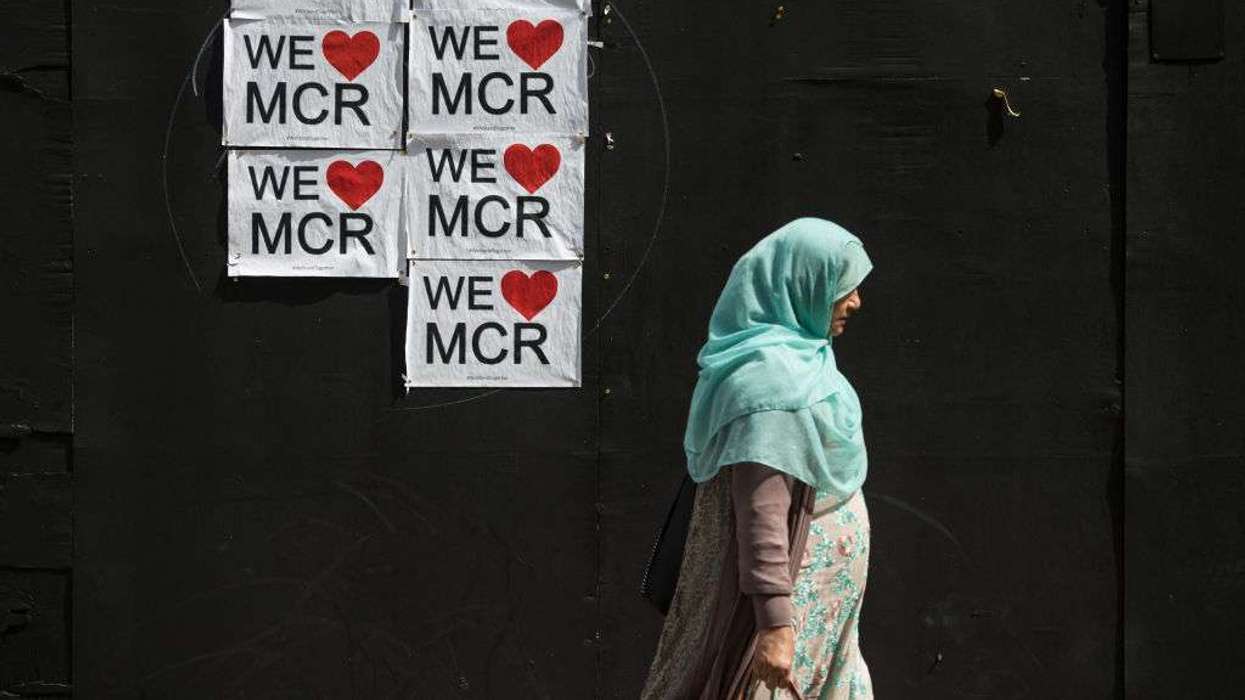 FILE PHOTO: A woman walks past a poster displaying a message of defiance to the terror attack of May 22 at the Manchester Arena, in Manchester, northwest England on May 31, 2017. (Photo by OLI SCARFF/AFP via Getty Images)