There's a lot of hype surrounding Shah Rukh Khan starrer Zero.
Not much is known about the plot of the movie, but it has now been revealed that Zero is a romantic film that also has a science fiction angle. According to a report, there's an outer space element in the movie and it's going to be sensational.
Zero stars SRK as a dwarf and his two leading ladies are Katrina Kaif and Anushka Sharma. This will be the first time since 2012's Jab Tak Hai Jaan the trio will be seen together in a movie. However, they do not have a single scene together, reports noted.
Although SRK has been getting a lot of attention for his unique role, Sharma and Kaif's characters are also distinctive.
"While everyone thinks that only Shah Rukh Khan has a special role in the film with a disability, they will be surprised to know that Anushka and Katrina's characters also face various challenges," a source told India Today. "While everyone knows Katrina plays a diva, nobody knows that she is also an alcoholic in the film. She battles with alcoholism, which affects her life in various ways. Anushka, on the other hand, plays a struggling scientist. The makers are trying to keep these details a secret because they don't want to give out too much information," the source added.
Zero is directed by Anand L Rai, who is best known for Tanu Weds Manu and Raanjhanaa.
In an earlier interview with a popular media outlet, Rai said he wanted to celebrate beauty of incompleteness with Zero.
"I wanted to celebrate 'Zero', I wanted to celebrate the incompleteness in people. There is nothing great in being a complete person. There is a beauty to incompleteness. We all are humans and Zero comes from there," said Rai.
The film is set to be released on December 21, 2018 and fans can expect updates about the film at regular intervals.





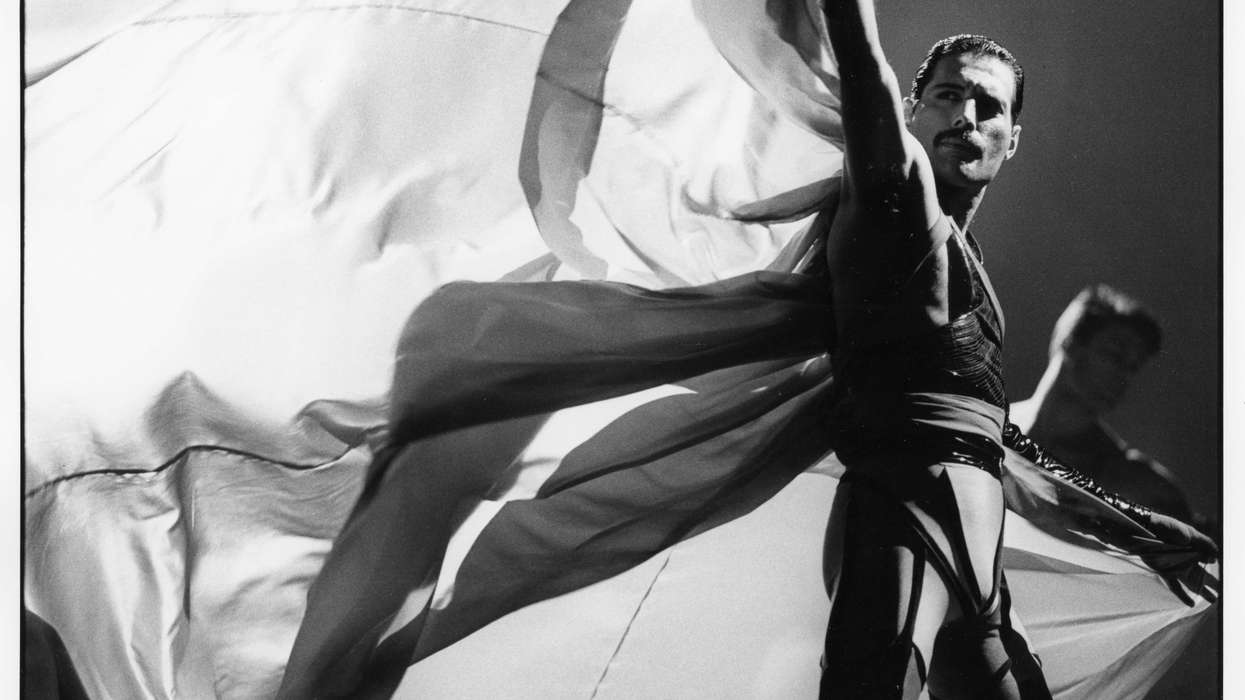
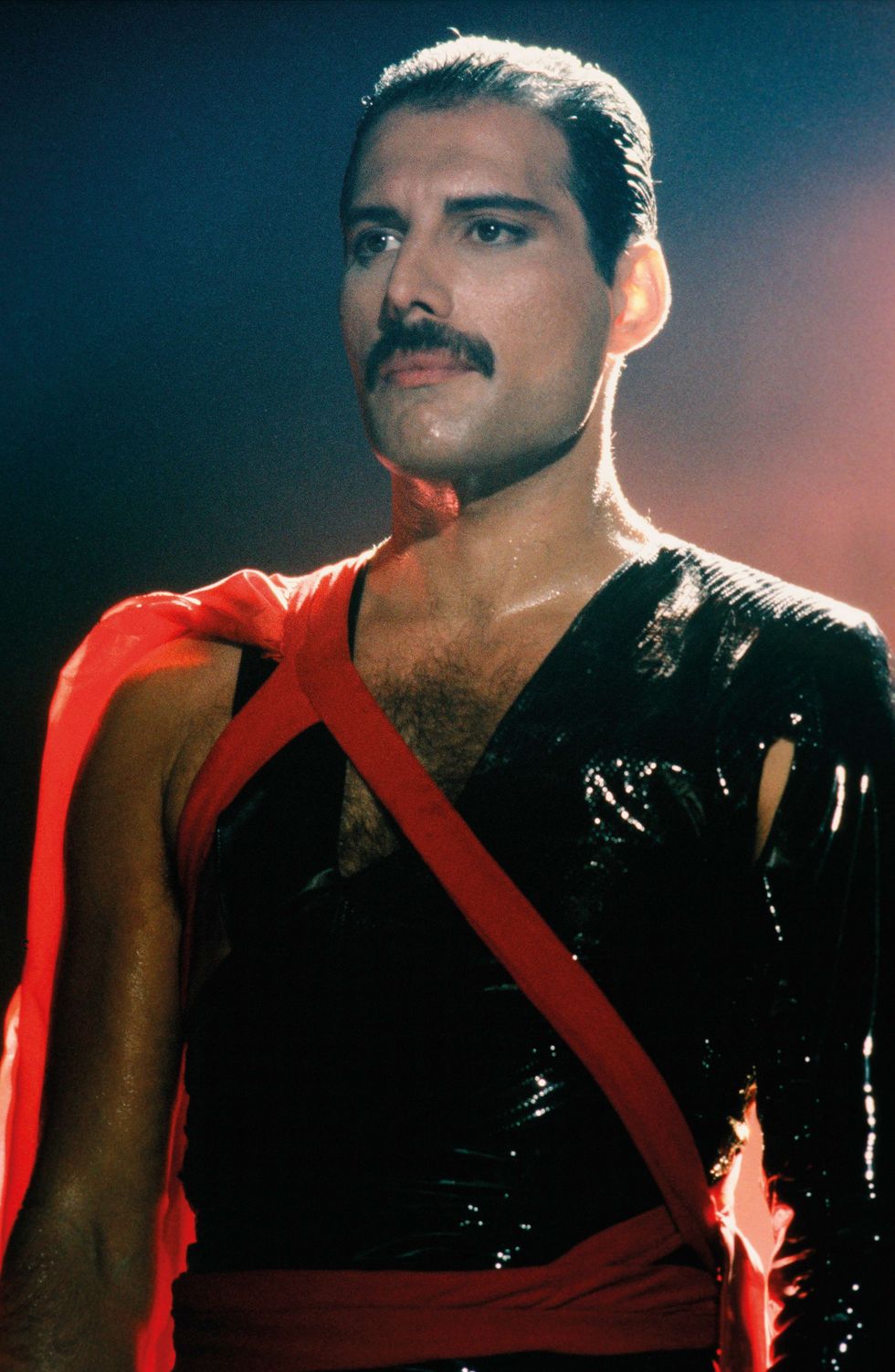 Freddie Mercury in the Made in Heaven music videoSimon Fowler © Mercury Songs Ltd
 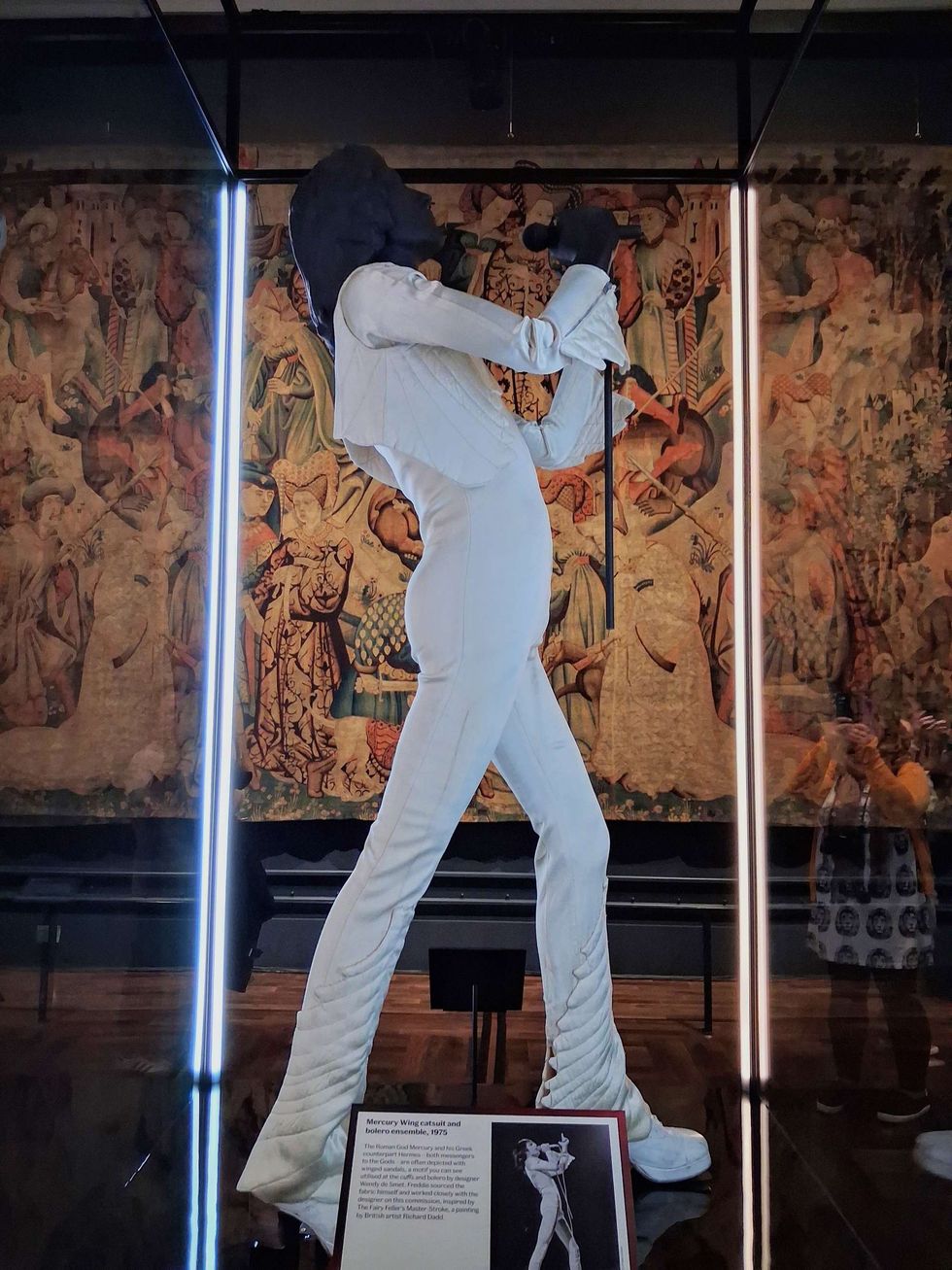 Mercury Wing Catsuit and bolero ensemble (1975)Amit Roy
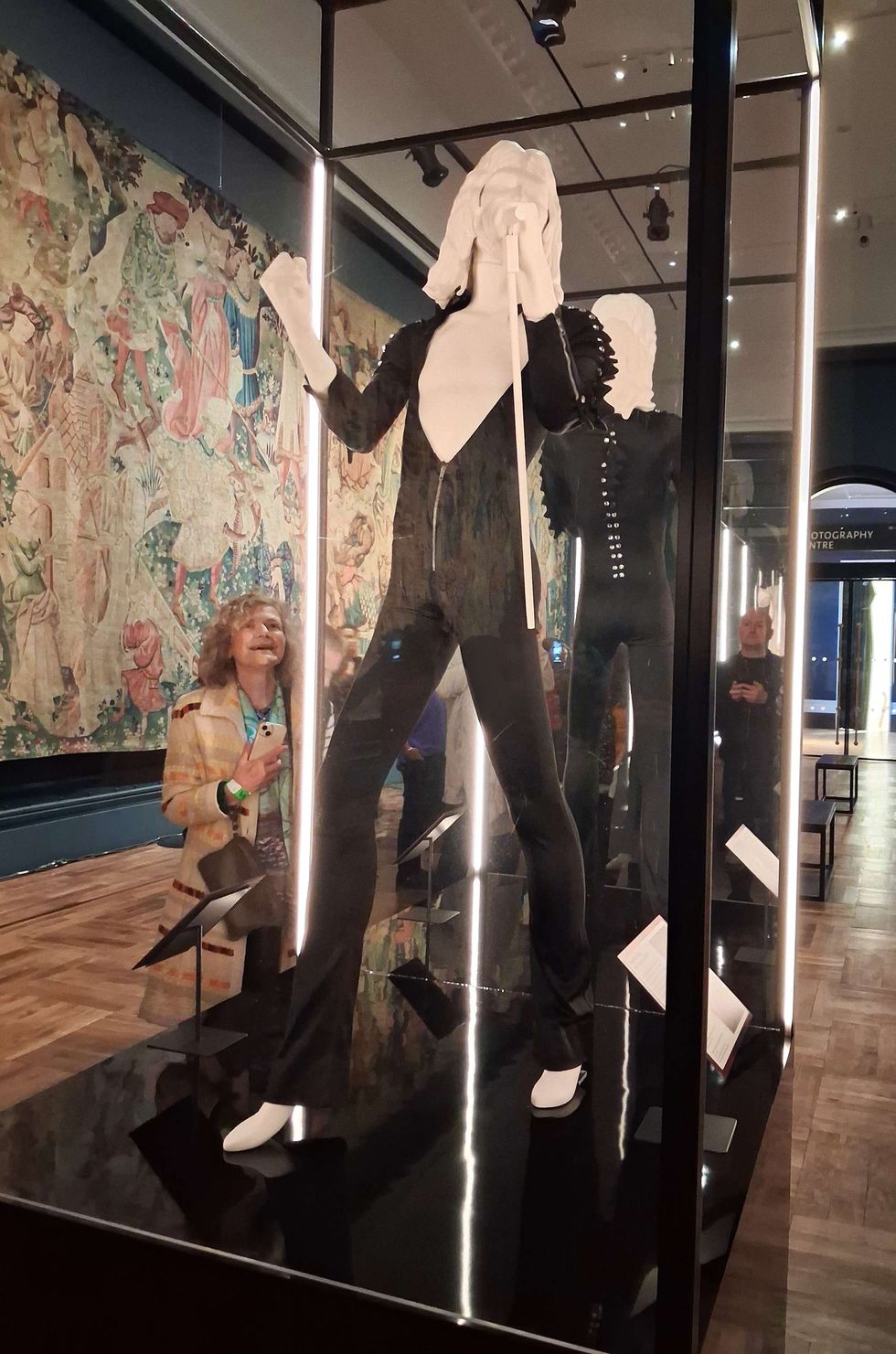 Designer Wendy de Smet with the spine suit or the Black Queen suit from 1975 Amit Roy
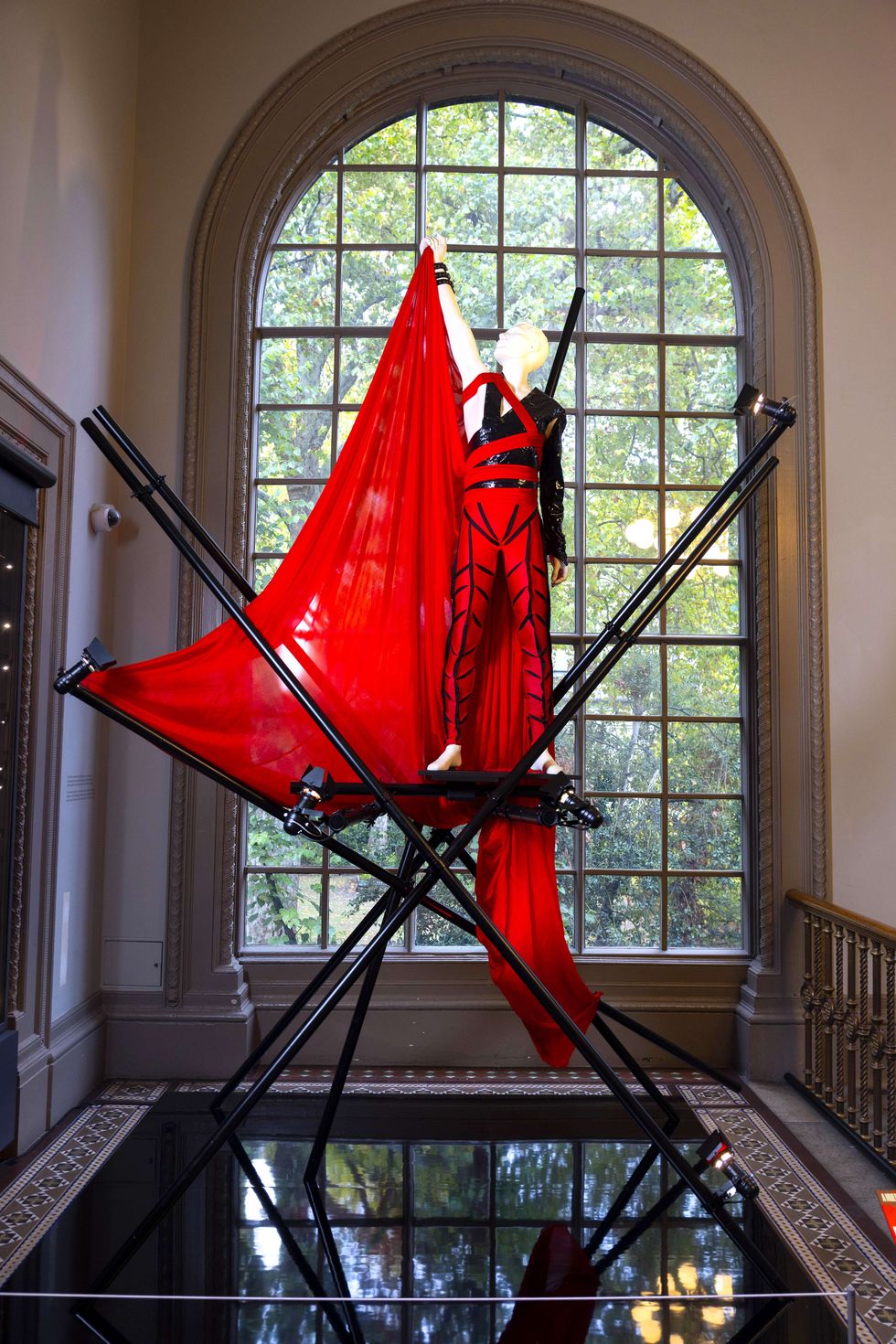 Made in Heaven music video costume (1985) David Parry/V&A
 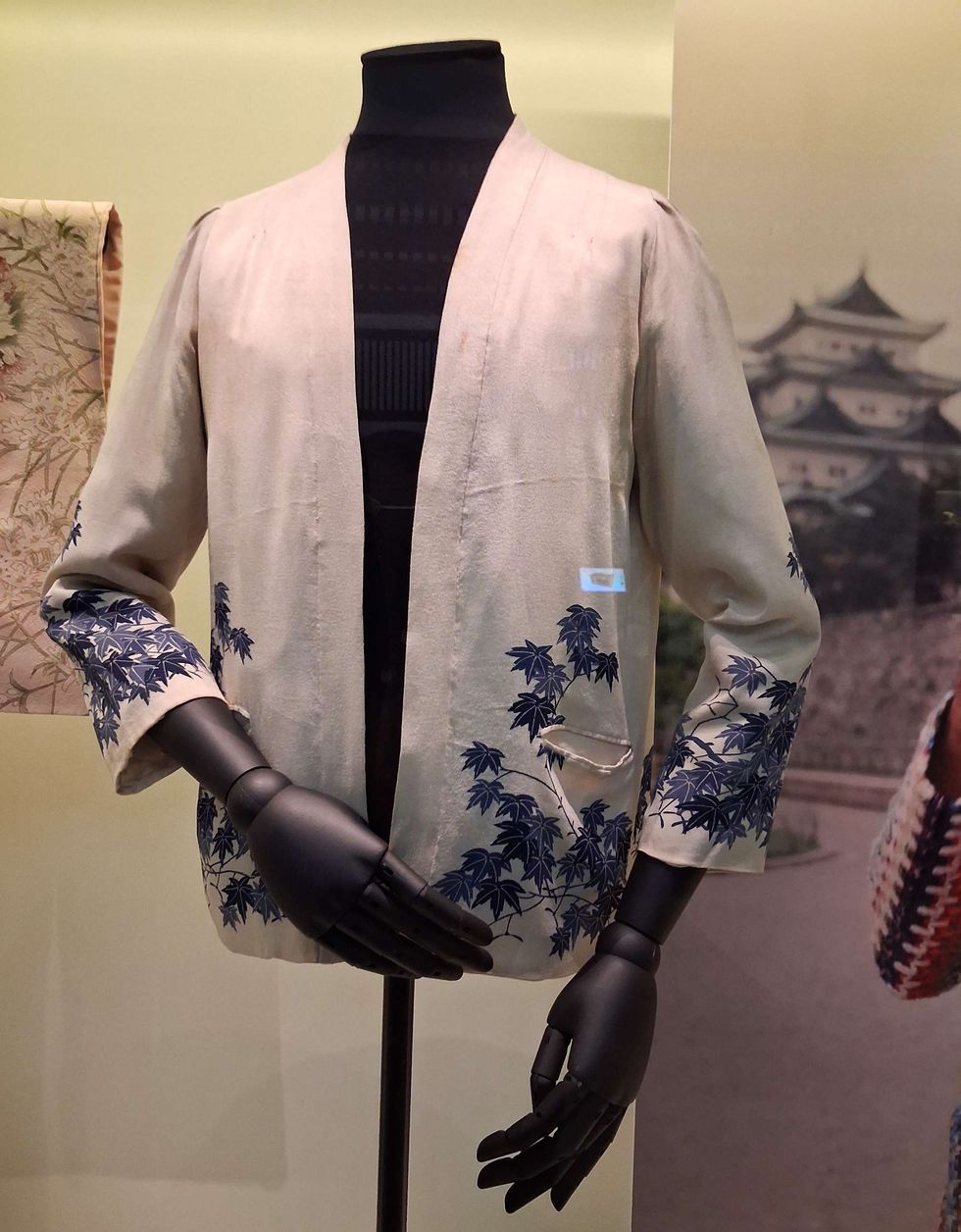 Japanese jacket (early 1970s)Amit Roy
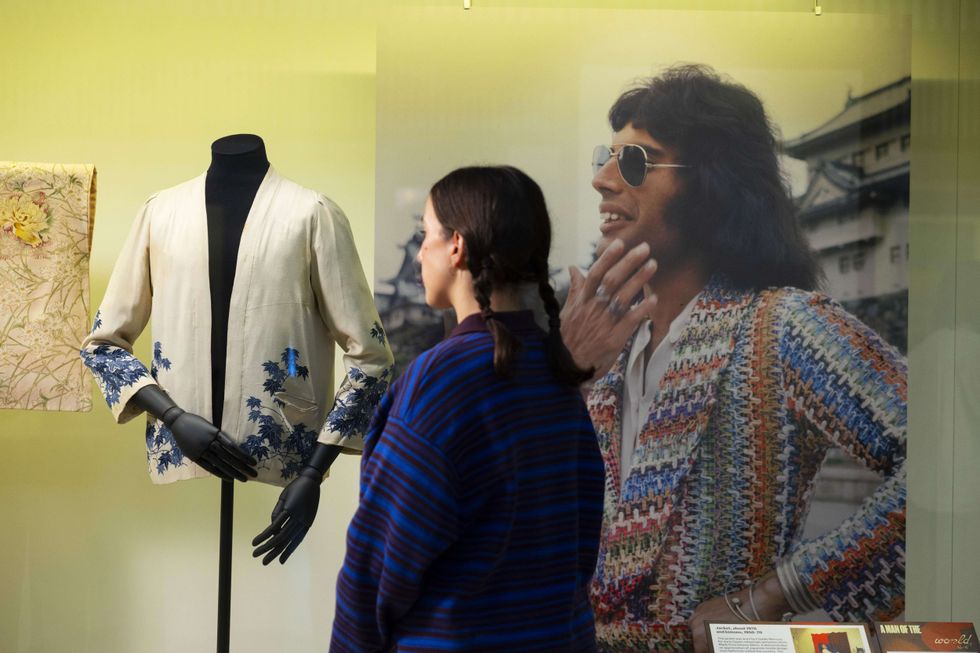 Japanese jacket (early 1970s) and kimono (1950-70) David Parry/ V&A
 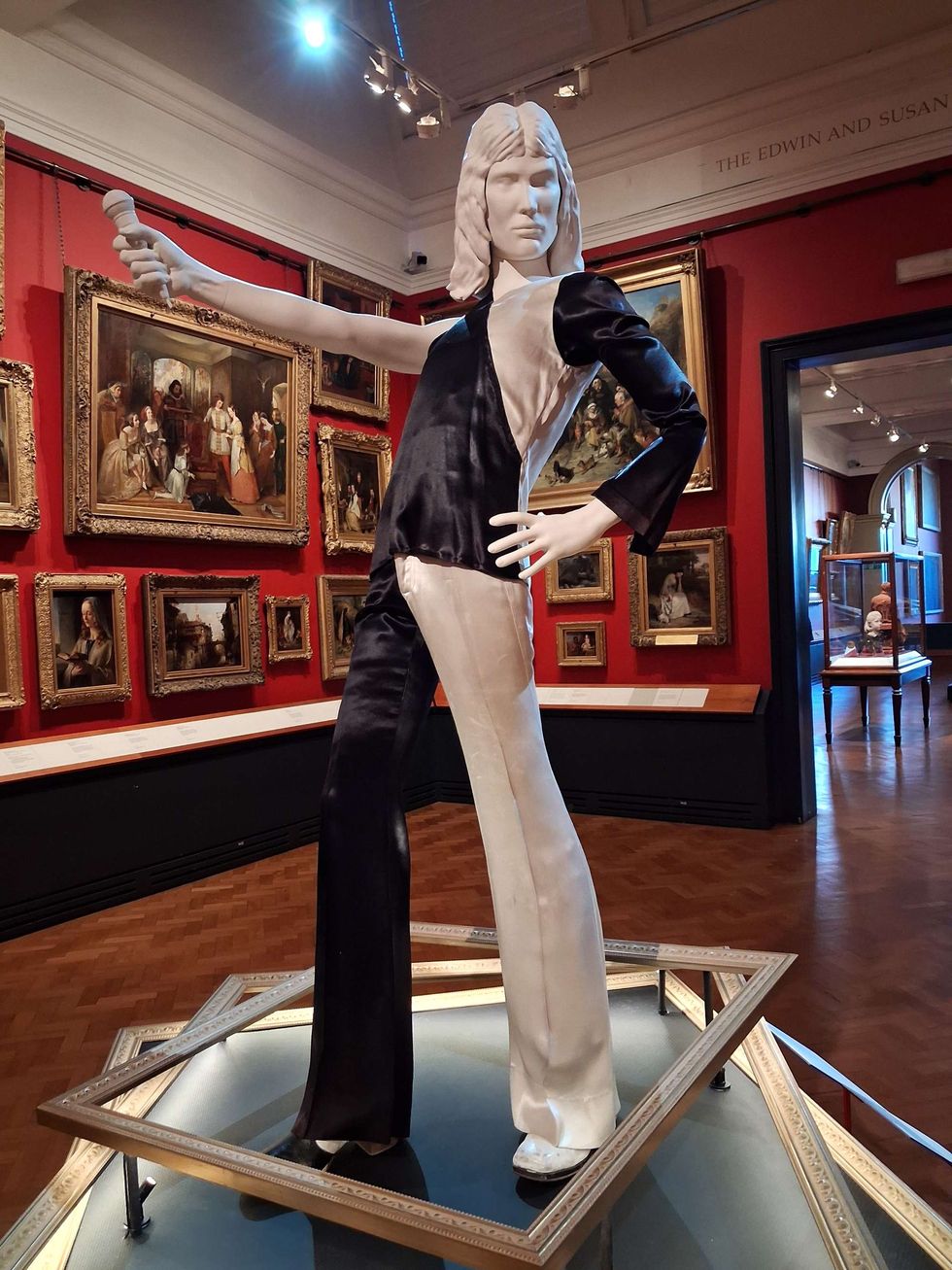 Ensemble worn for Imperial College gig in 1973Amit Roy
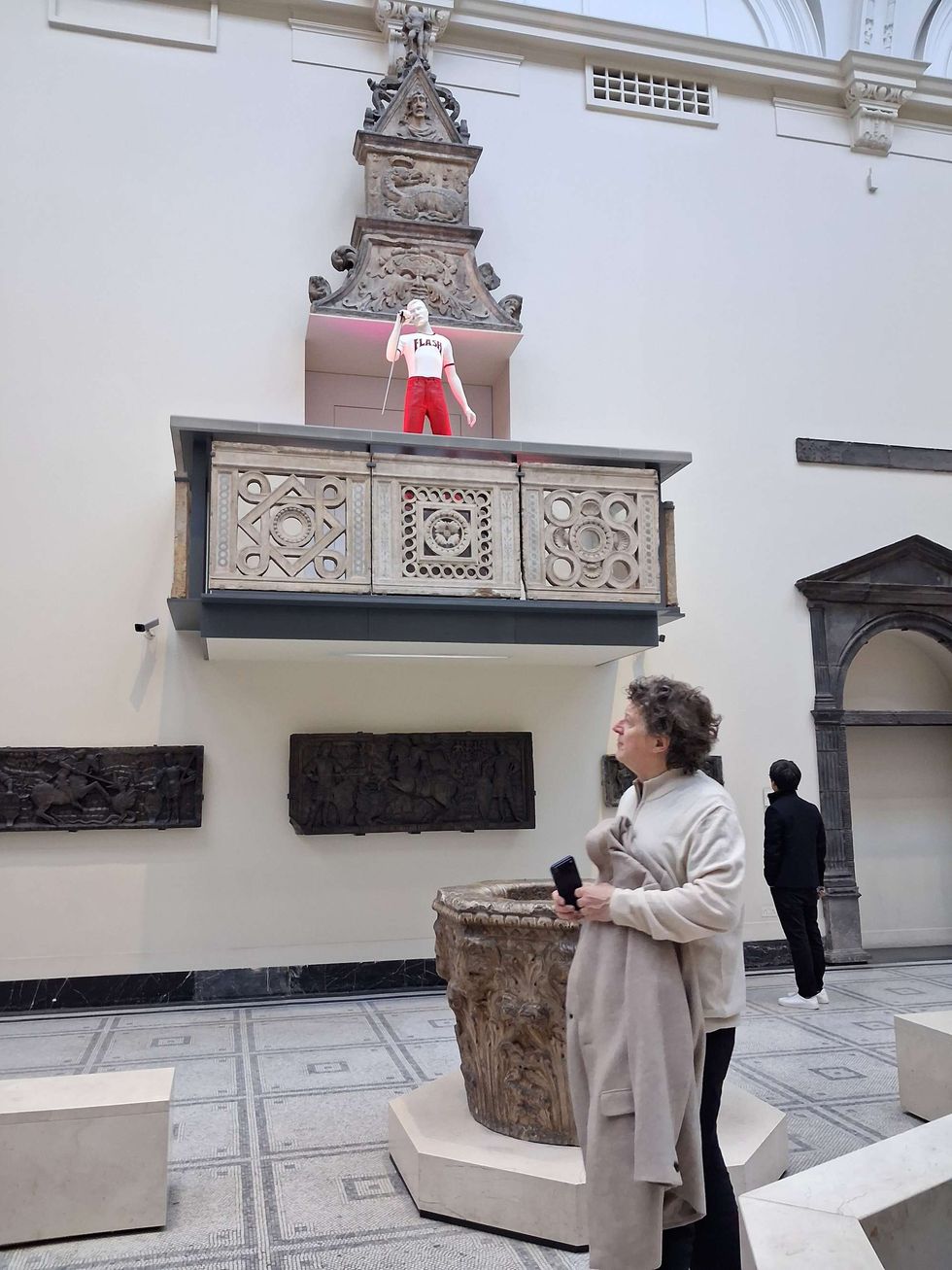 Flash ensemble and half mic (Flash Gordon 1980)Amit Roy
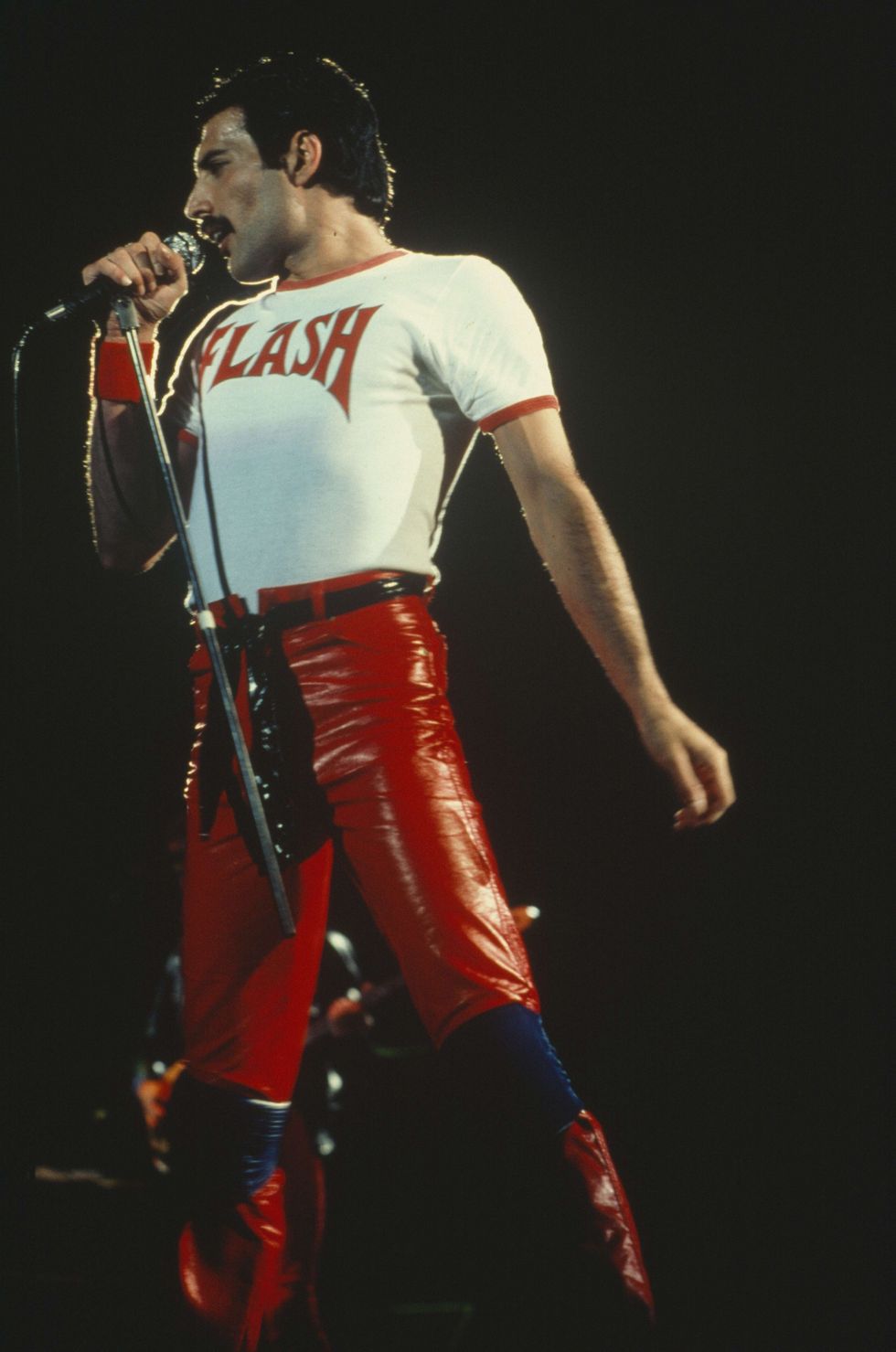 Freddie Mercury performs wearing a 'Flash' t-shirt at Sports Arena in San Diego, California, United States, on 5th July 1980David TanShinko Music/Getty Images
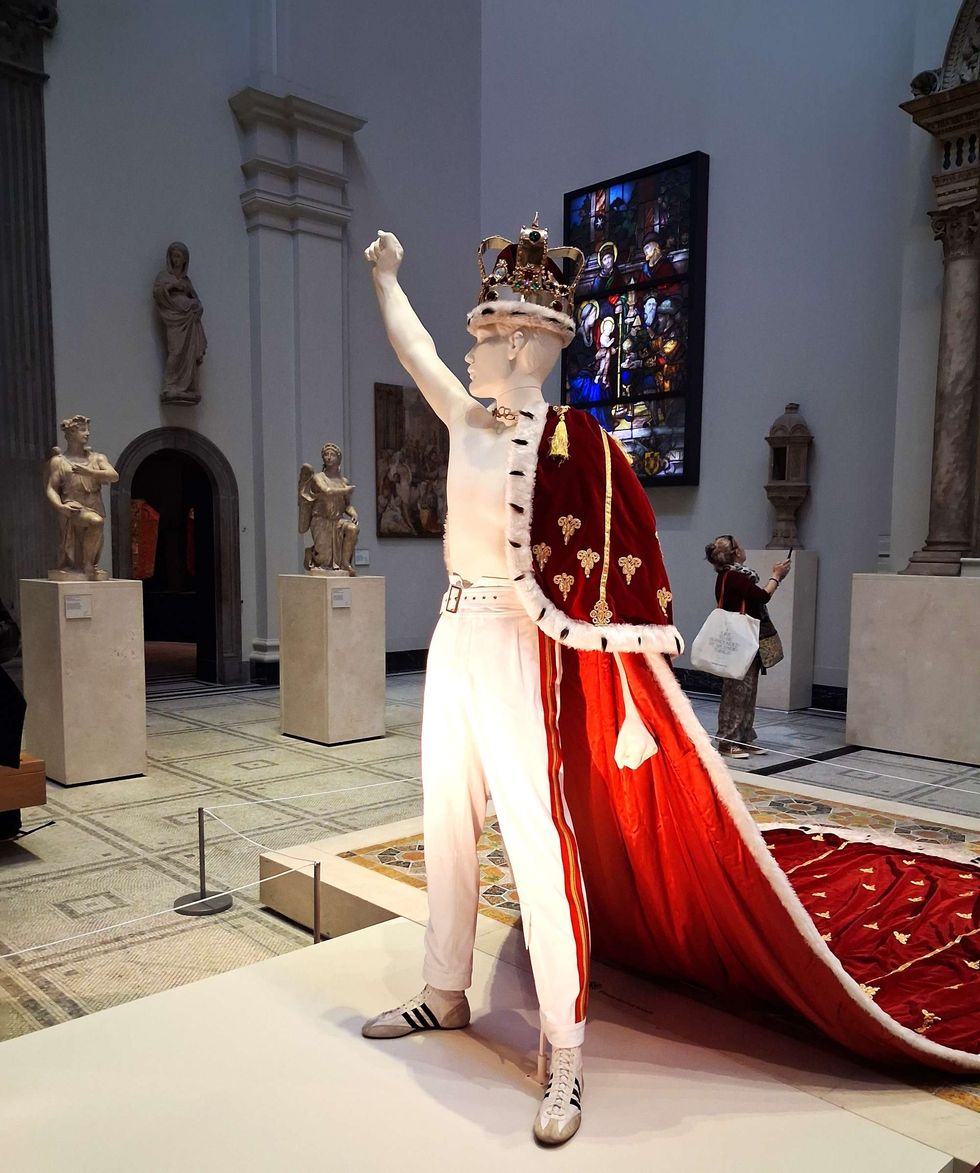 Cloal and crown ensembleAmit Roy
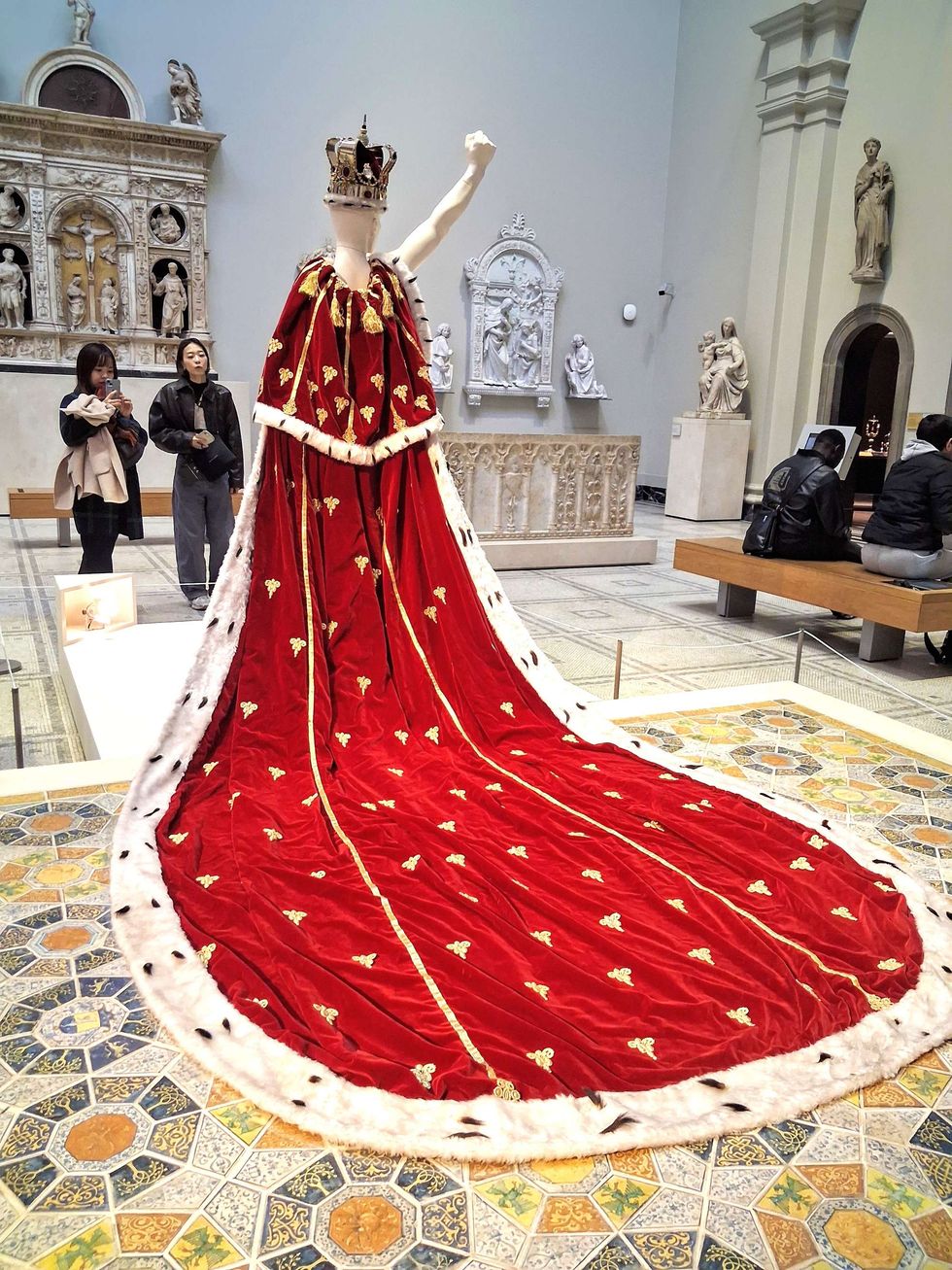 Cloak and crown ensemble (1986)Amit Roy
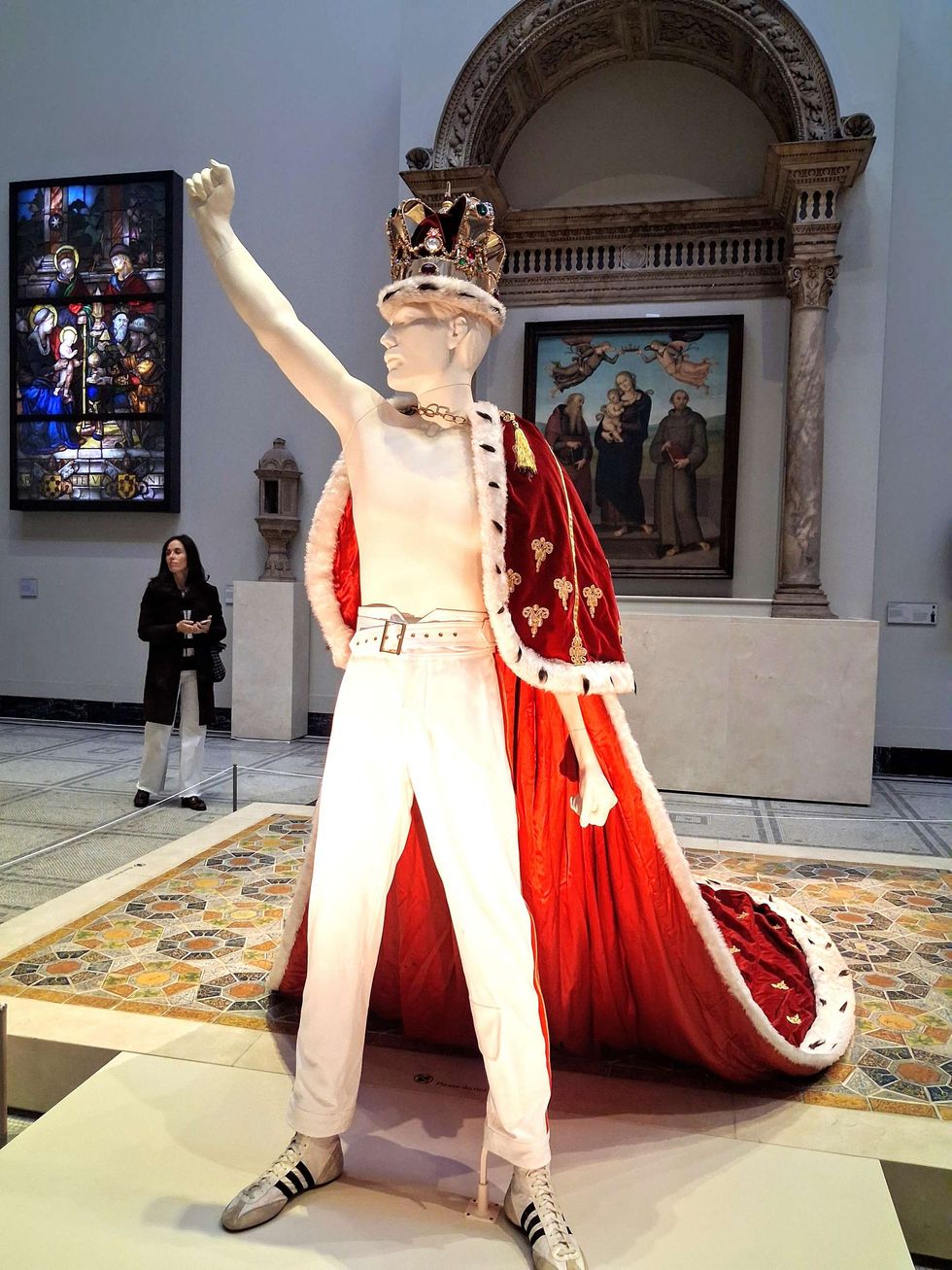 Cloak and crown ensemble (1986)Amit Roy
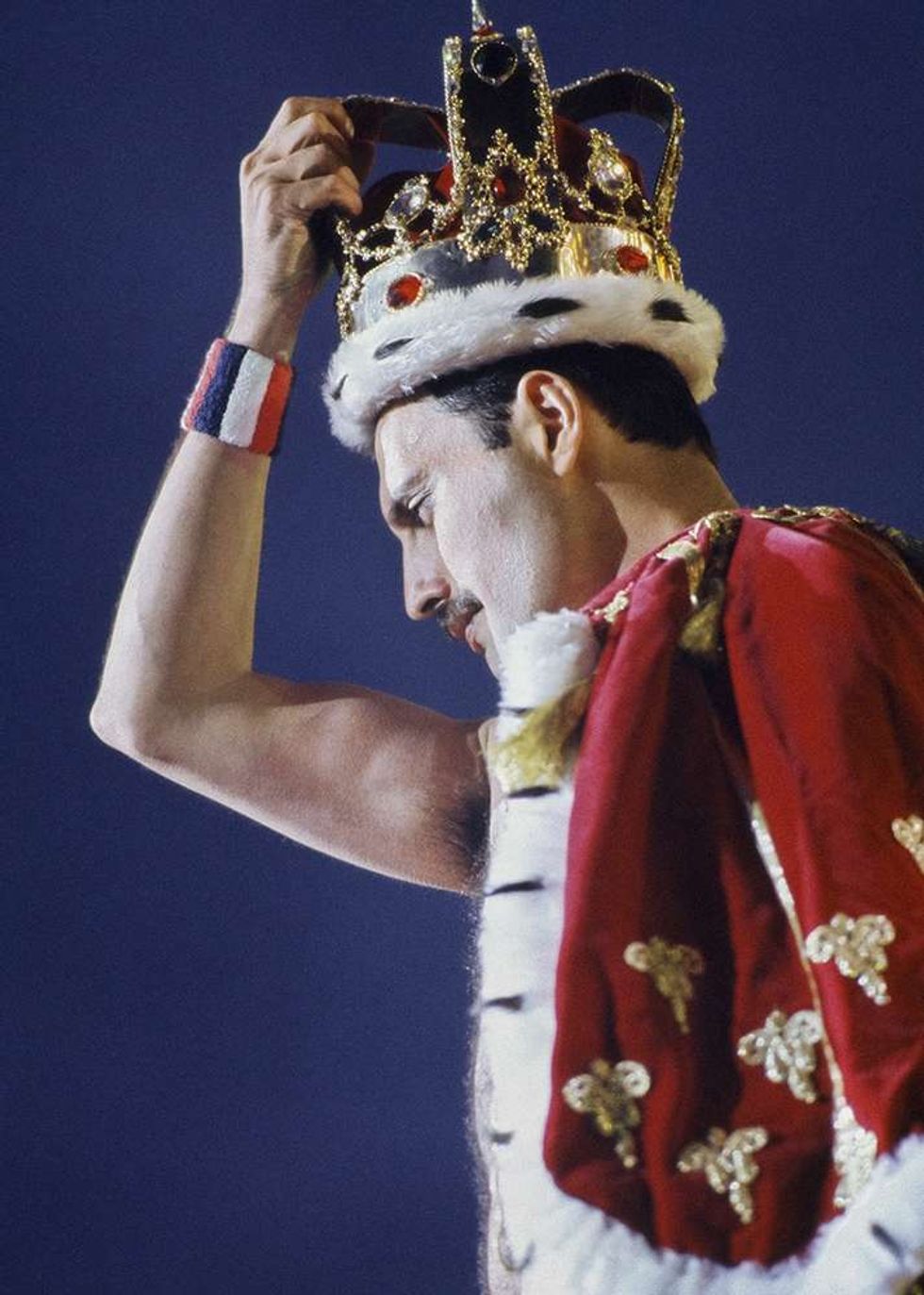 Freddie Mercury, Magic Tour (1986) Denis O’Regan