

THREE days of sectarian violence in northwestern Pakistan have left at least 82 people dead and 156 others injured, a local official confirmed on Sunday.
The clashes took place in the Kurram district of Khyber Pakhtunkhwa province, a region near the Afghan border with a significant Shiite population. Though Pakistan is predominantly Sunni, sectarian tensions in the district have persisted for decades.
The violence began on Thursday when two convoys of Shiite Muslims, travelling under police protection, were ambushed. These attacks left 43 people dead and triggered two days of gun battles between the two communities.
“The clashes and convoy attacks on 21, 22, and 23 November have resulted in 82 fatalities and 156 injuries,” said a local administration official, who requested anonymity. He added, “Among the deceased, 16 were Sunni, while 66 belonged to the Shia community.”
The fighting, which involved both light and heavy weaponry, forced around 300 families to flee the area on Saturday. While no new casualties were reported on Sunday morning, the mobile network in Kurram remains suspended, and traffic on the main highway has come to a halt, according to the official.
Efforts to mediate between the communities are ongoing. A delegation from the provincial government held talks with the Shiite community on Saturday and plans to meet Sunni representatives later on Sunday.
“Our priority today is to broker a ceasefire between both sides. Once that is achieved, we can begin addressing the underlying issues,” said provincial law minister Aftab Alam Afridi.
Meanwhile, a security official in Peshawar reported that the negotiators’ helicopter came under fire upon arriving in the region, but no one was harmed.
Kurram district, previously part of the Federally Administered Tribal Areas before its merger with Khyber Pakhtunkhwa in 2018, has seen recurring sectarian violence. Recent clashes in July and September resulted in dozens of deaths and ended only after a tribal council, or jirga, intervened to negotiate a ceasefire.
Last month, a sectarian clash in the district killed 16 people, including women and children. The Human Rights Commission of Pakistan reported 79 deaths in sectarian clashes between July and October this year.
On Friday, hundreds of people staged demonstrations in Lahore and Karachi, calling for an end to the violence.
(With inputs from AFP)


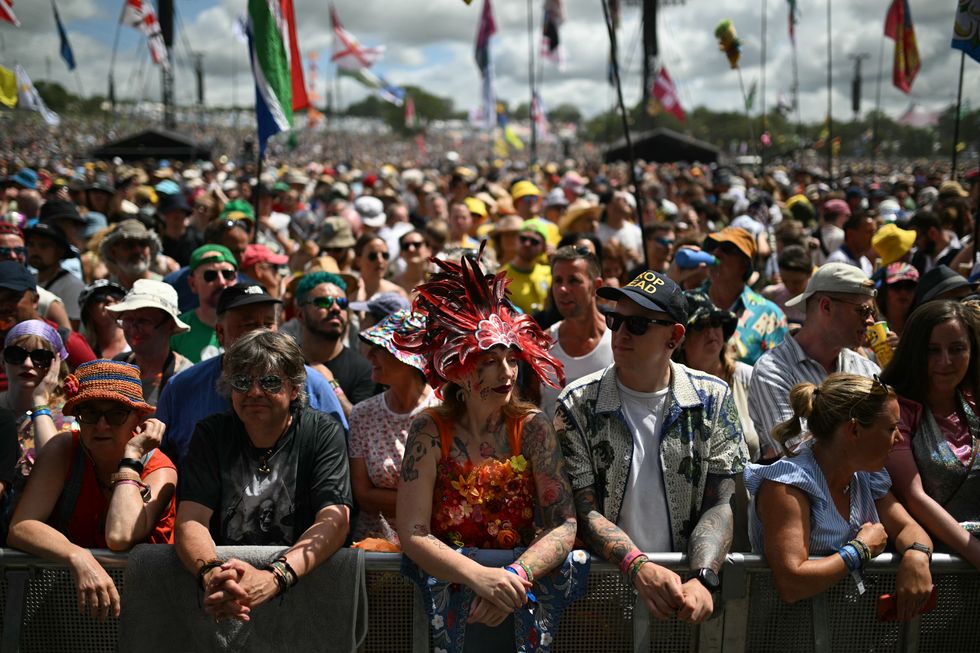 Festival goers at Glastonbury festival 2025Getty Images
 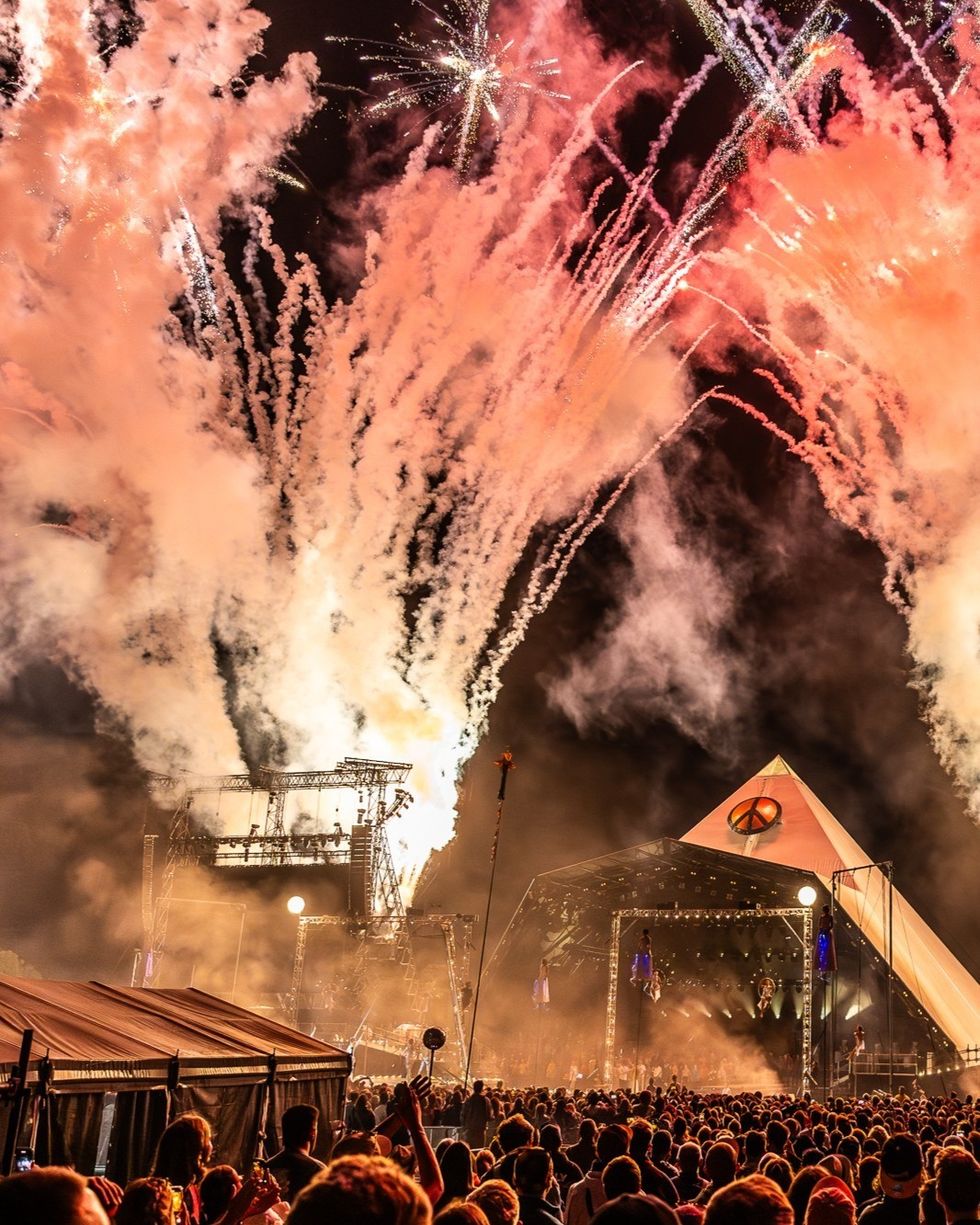 Pyramid Stage crowd swells ahead of the mystery Patchwork act rumoured to be Pulp Instagram/
 Kneecap welcome as political tension surrounds their setGetty Images
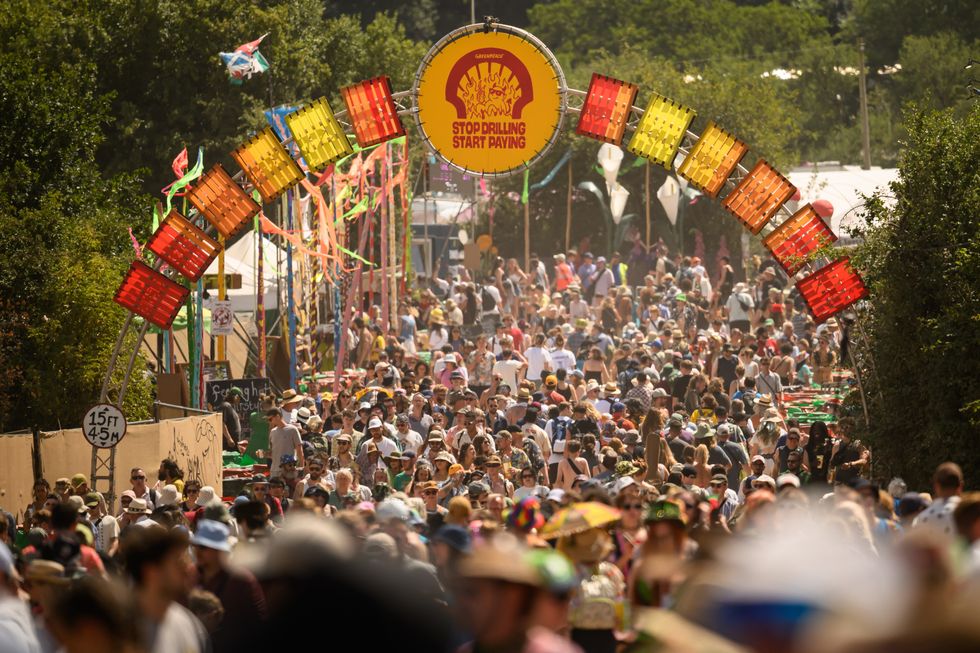 Crowds of festival-goers fill the pathways during day three of Glastonbury festival 2025Getty Images



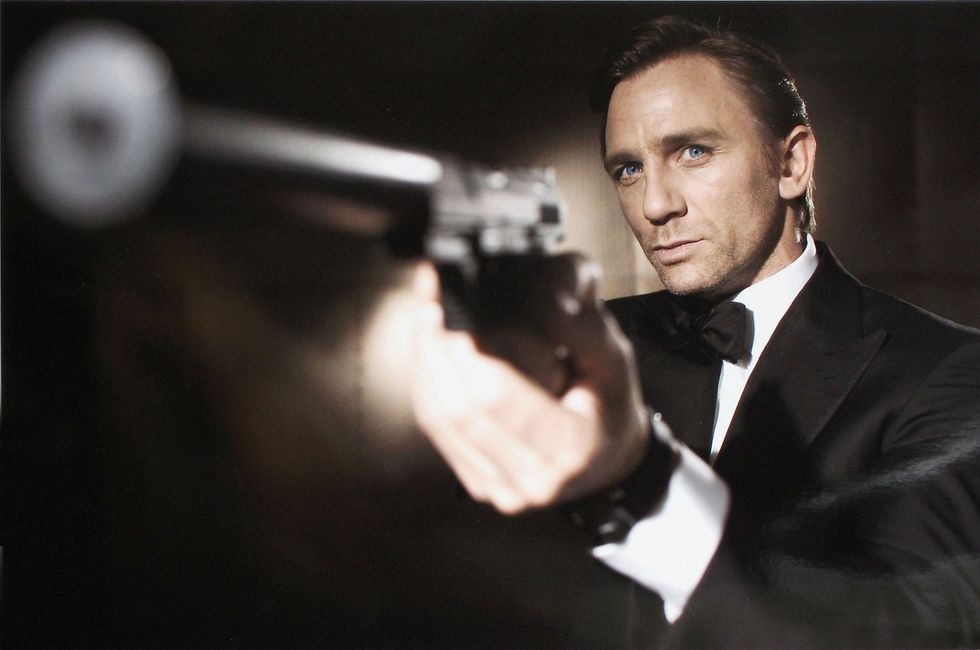 Daniel Craig poses as James BondGetty Images
  James Bond casting shortlist revealed with Tom Holland Jacob Elordi and Harris Dickinson in leadGetty Images
 Is this the youngest James Bond yet as Tom Holland Harris Dickinson and Jacob Elordi lead casting rumoursGetty Images
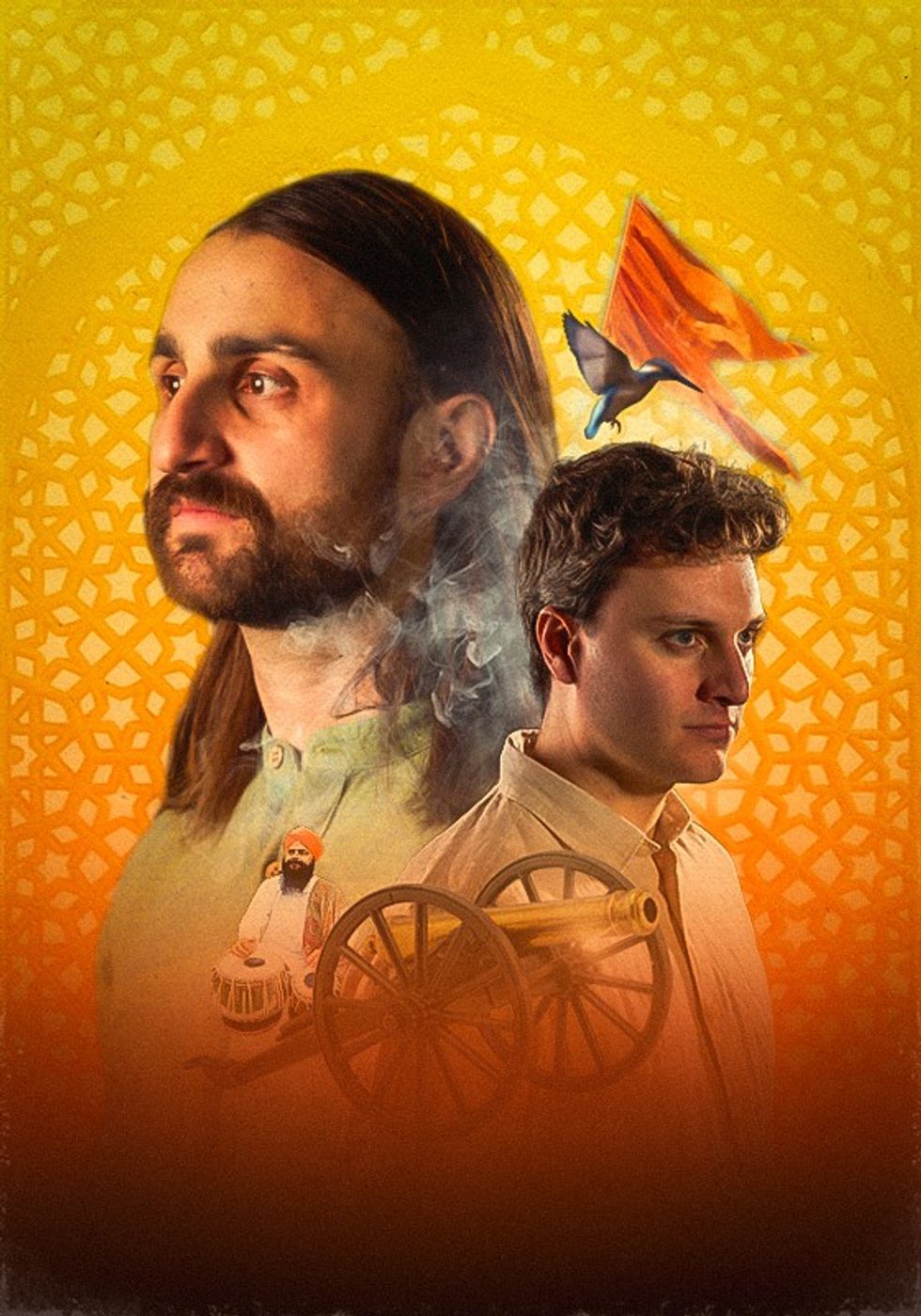 An explosive new play that fuses biting satire, history and heartfelt storytellingPleasance
Police may probe anti-Israel comments at Glastonbury