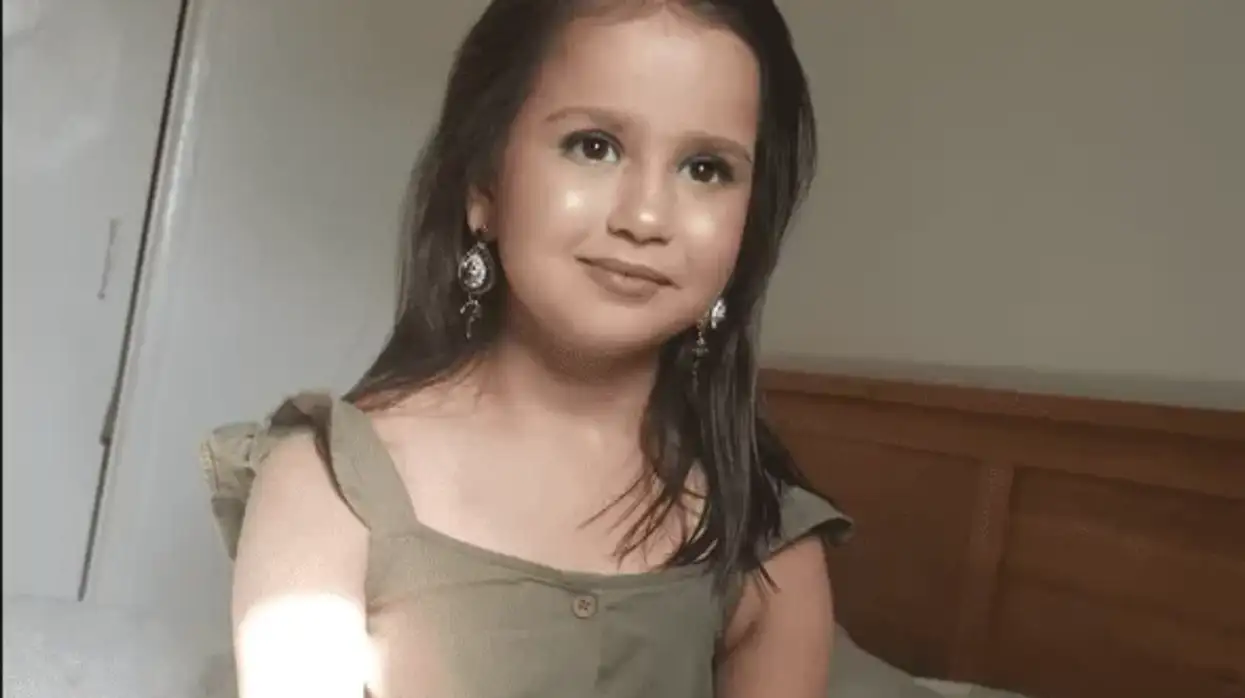

THE father of 10-year-old Sara Sharif admitted in court that he was a "terrible parent" and accepted responsibility for the abuse she suffered.
Urfan Sharif, 42, told jurors at the Old Bailey that his parenting was “very bad” and acknowledged being cruel, but he denied intentionally causing her death, reported the BBC.
Sara was found dead in her bed in Woking, southwest of London, on August 10, 2023, with extensive injuries including broken bones, burns and bite marks.
Her father, had fled to Pakistan a day before her body was found, with his wife Beinash Batool, 30, and the girl's uncle, Faisal Malik, 29.
All three adults deny murder and a separate charge of allowing the death of a child.
She had endured years of abuse, including burns, beatings, and what a post-mortem examination described as “probable human bite marks.” The examination also revealed scalding from hot water and other injuries inflicted over time.
The court heard that violence against Sara had become “normalised” in the household. Urfan, however, claimed his brother, Malik, who shared the three-bedroom house, was unaware of the abuse.
“Everything was separate from Faisal Malik,” he testified.
Under cross-examination, he was questioned about Sara’s injuries, including burns to her buttocks and bite marks, which he denied causing.
Prosecutor Bill Emlyn Jones KC asked if it would have required two people to restrain Sara while pressing a hot iron on her skin. Sharif responded, “I don’t know how it happened.”
When asked if he believed children in the house might have been responsible, Urfan suggested, “Must have been the kids.” This prompted the prosecutor to ask, “How low will you stoop?”
The court was also shown evidence collected near the family’s outhouse, including a bloodstained cricket bat, a rolling pin carrying Sara’s DNA, a metal pole, a belt, and rope.
Urfan admitted to beating Sara with the cricket bat but denied any intention to cause her serious harm. When questioned about breaking her spine during one such beating, he replied, “No sir.”
"I did not want to hurt her. I didn't want to harm her," he told the jury.
Previously, Sharif had claimed that Batool was responsible for Sara’s death and that his earlier confessions—both written and verbal—were made to protect her.
But under questioning from his wife's lawyer on Wednesday (13) the taxi driver said he took "full responsibility" for what had happened, but that he had not intended to hurt Sara.
Asked if he killed Sara by beating, he replied: "Yes, she died because of me."
He also admitted causing multiple fractures in the weeks before Sara's death, using a cricket bat on her as she was bound with packaging tape, throttling her with his bare hands and breaking the hyoid bone in her neck.
"I can take full responsibility. I accept every single thing," he said, also accepting that he badly beat Sara on August 8 when she had collapsed and was dying.
The trial is ongoing.
(with inputs from AFP)