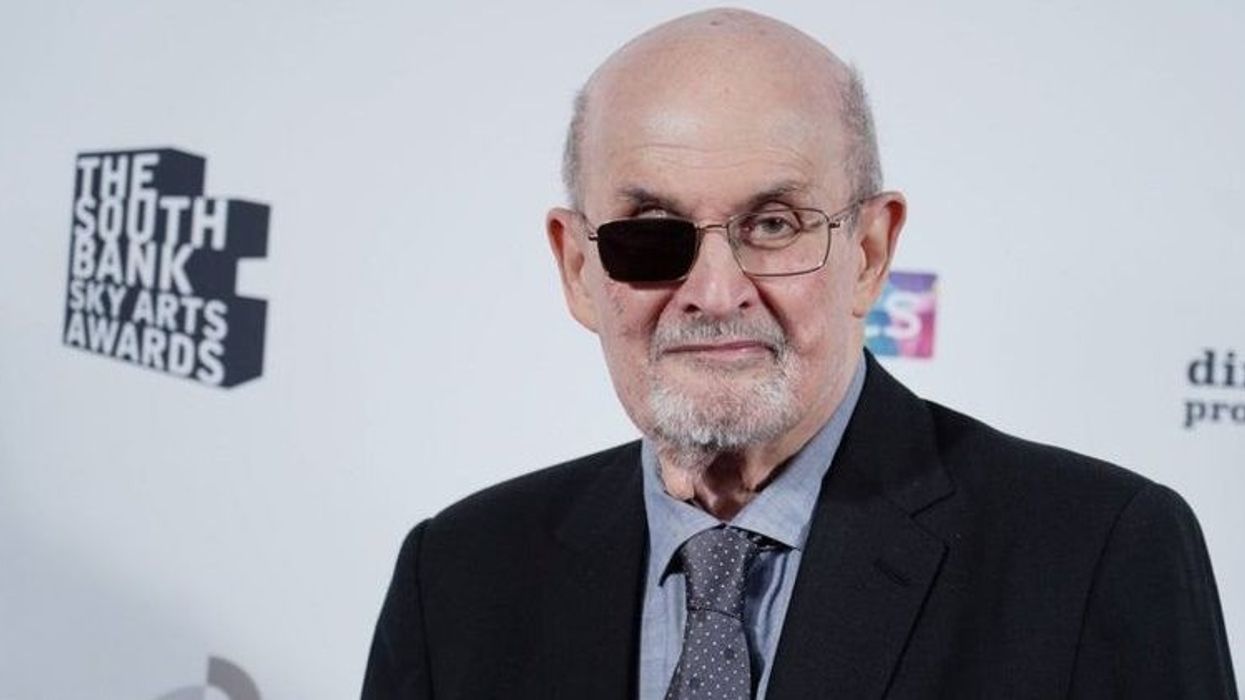

Author Salman Rushdie has for the first time revealed his personal experiences in relation to the knife attack on him in New York, which resulted in the loss of vision in one eye.
Rushdie has shared that he has been having "crazy dreams" about the incident and has sought assistance from a therapist to help him cope with the psychological aftermath of the trauma.
The Booker Prize-winning author who is now 76 years old and originally from Mumbai, India, was attacked almost a year ago while being on stage. He was stabbed multiple times by the accused individual named Hadi Matar, who is currently detained in prison on charges of attempted murder.
During an interview with the BBC, Rushdie said he was in "two minds" about whether to face his alleged attacker, who has pleaded not guilty, in court.
"I have a very good therapist who has a lot of work to do. I have crazy dreams," the novelist said. "If he changes his plea to guilty then actually there's not a trial, there's just a sentencing, and it may well be that then my presence isn't required. I'm in two minds about it. There's one bit of me that actually wants to go and stand on the court and look at him and there's another bit of me that just can't be bothered.
"I don't have a very high opinion of him. And I think what is important to me now is that you're able to find life continuing. I'm more engaged with the business of, you know, getting on with it," he said when asked if he plans to attend Matar's trial later this year.
As a result of the attack, Rushdie sustained severe injuries, including liver damage, loss of vision in one eye, and a paralyzed hand due to nerve damage in his arm.
"The human body has an amazing capacity to heal. And so, I'm fortunate to be well on that way," said the author of ‘Midnight's Children' who says he feels physically “more or less OK”.
Rushdie is currently engaged in writing a book centered around the near-fatal stabbing incident as a way to navigate and come to terms with his harrowing experience.
During a virtual interview with the BBC, he mentioned that the book would not be more than a "couple of hundred of pages" long.
"There's this colossal elephant in the room and, until I deal with that, it is difficult to take seriously anything else," he noted.
The British American author, who lives in New York, has been the subject of a fatwa by Iranian leader Ayatollah Khomeini for his controversial novel ‘The Satanic Verses' issued over 30 years ago and has had several death threats over that time.
His latest book, ‘Victory City', was finished just before the attack in August last year and has been well-received by critics.
(PTI)





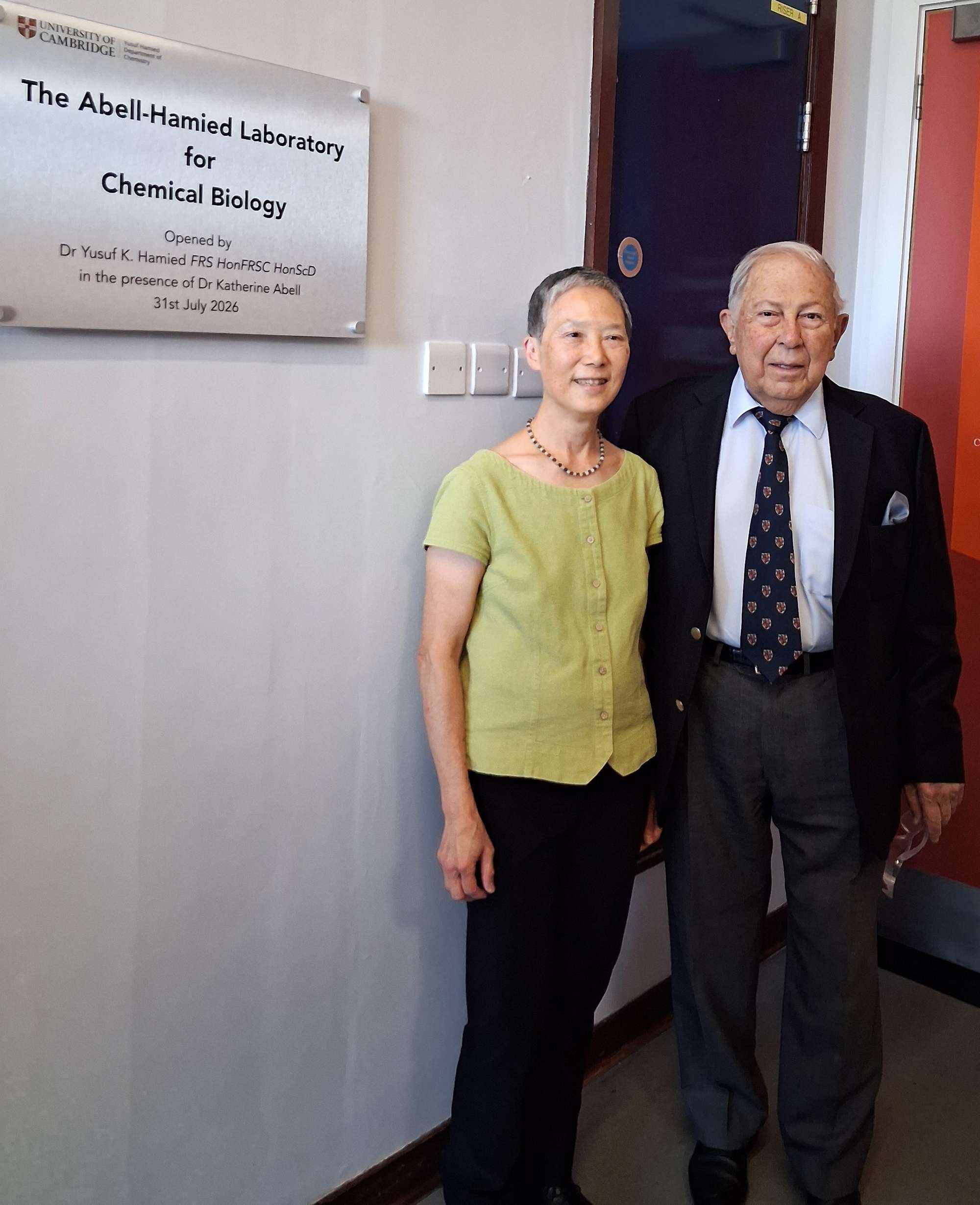 Katherine Abell and Yusuf Hamied Amit Roy
 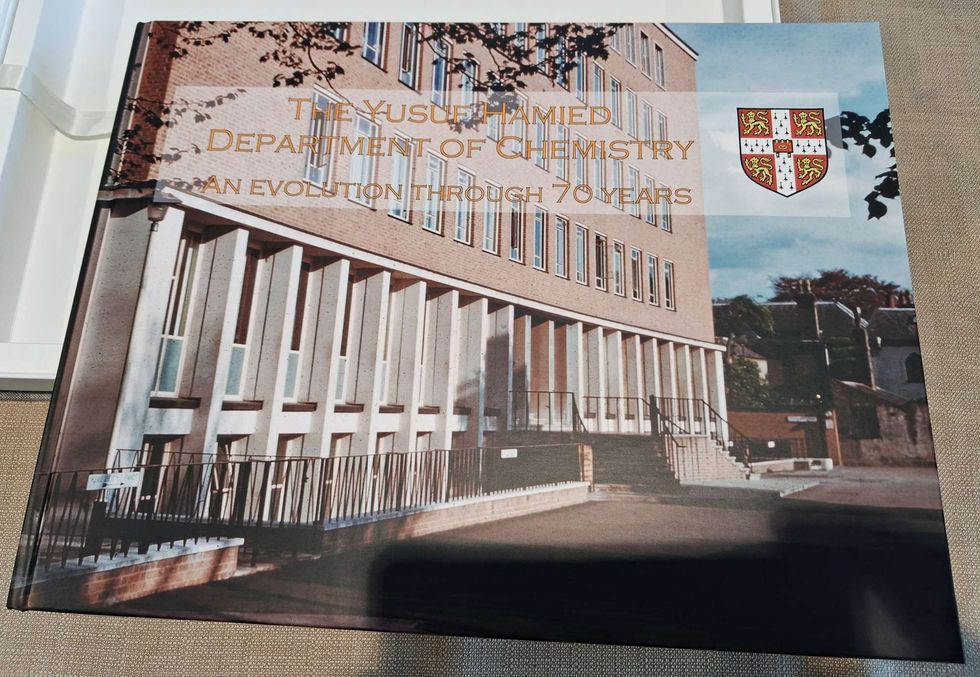 The album gifted to Yusuf Hamied Amit Roy
 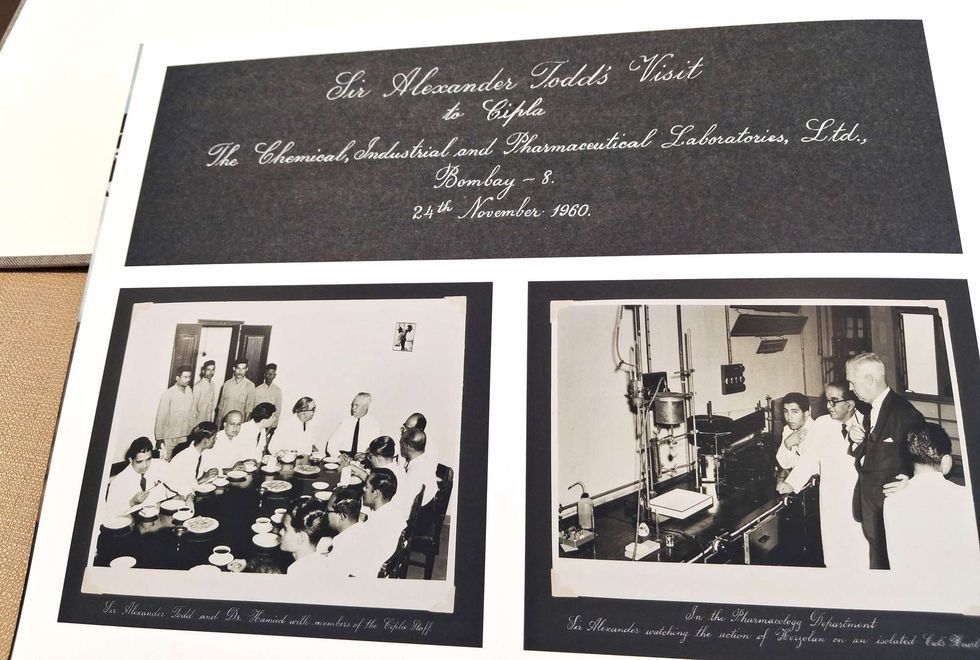 Todd visit to Cipla in Bombay in 1960 (from the album) Amit Roy
 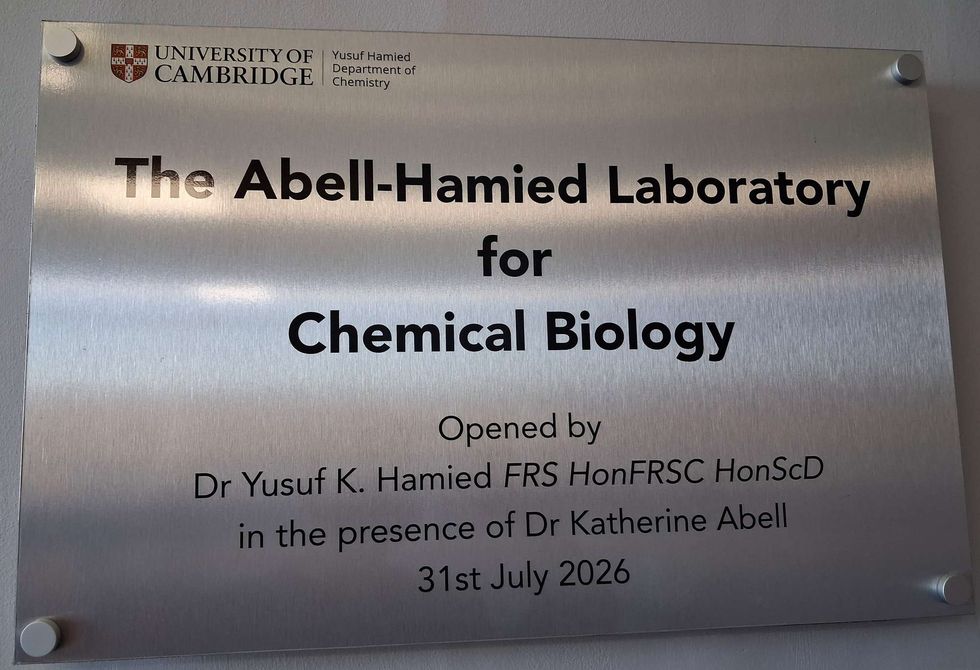 Abell-Hamied plaqueAmit Roy
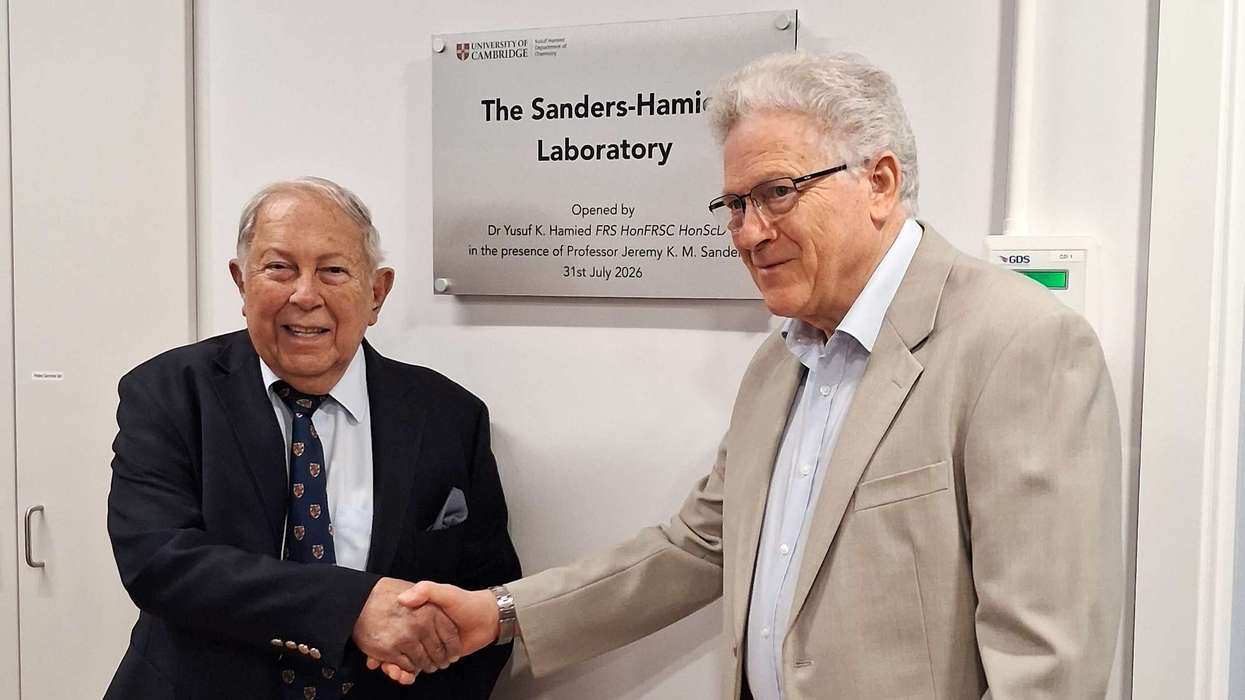
 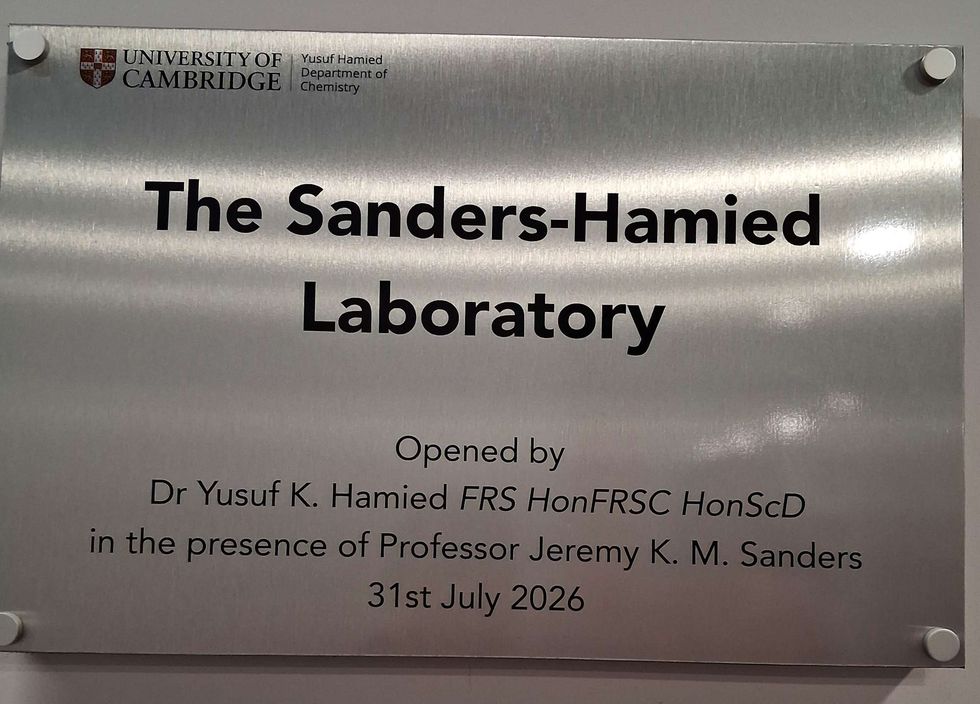 Sanders-Hamied plaque Amit Roy
 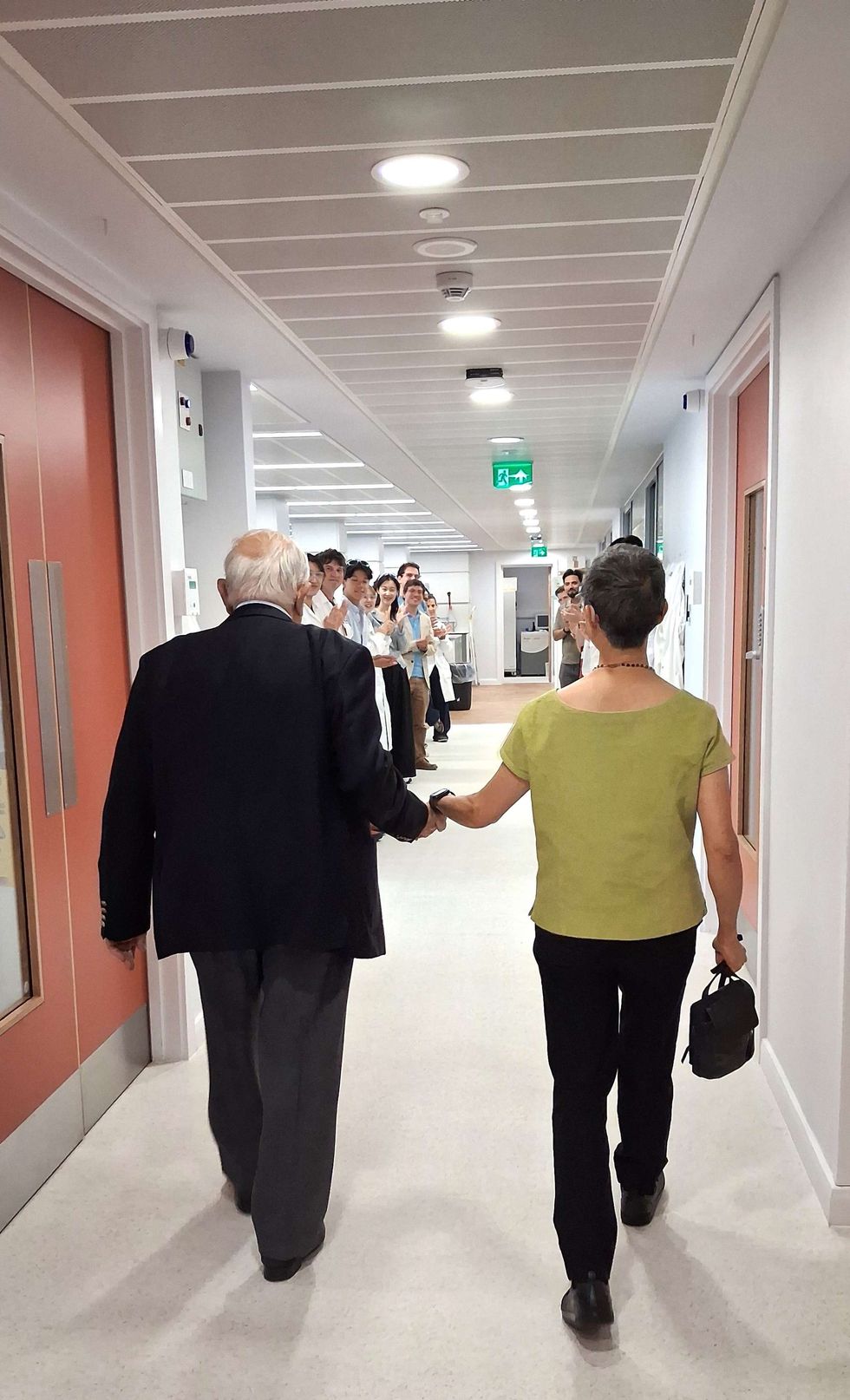 Yusuf Hamed & Katherine Abell meet students Amit Roy
 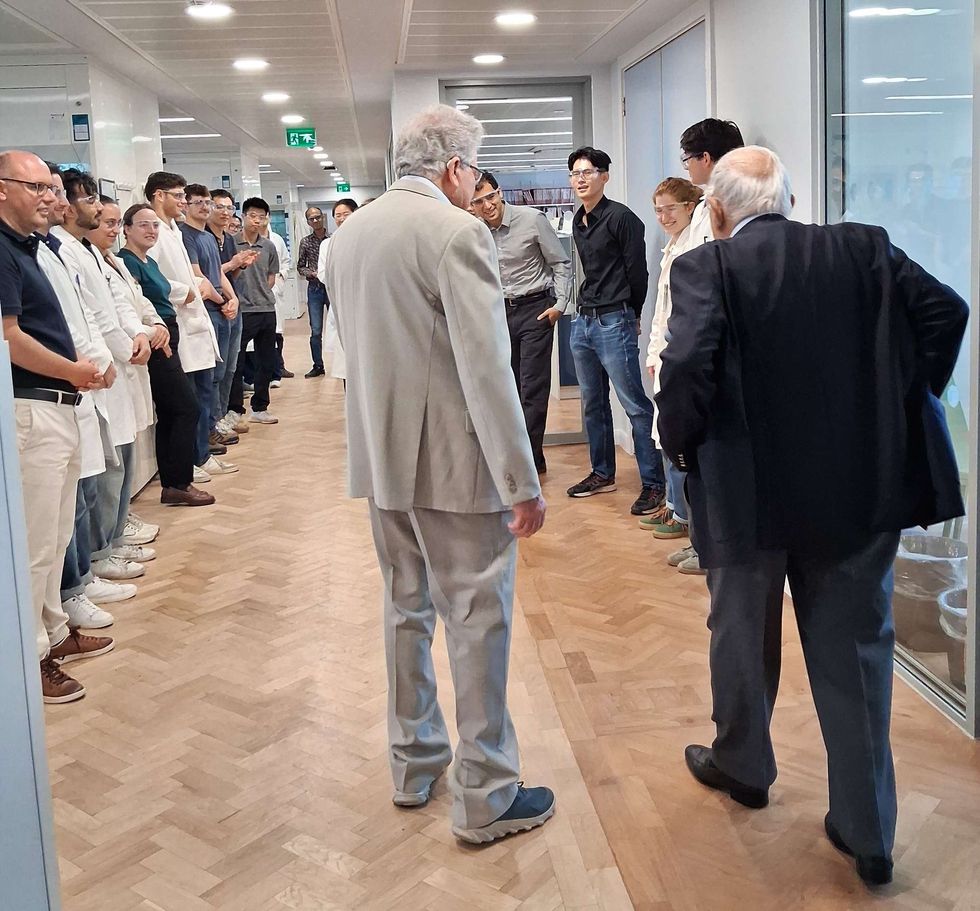 Yusuf Hamied and Jeremy Sanders meet studentsAmit Roy
 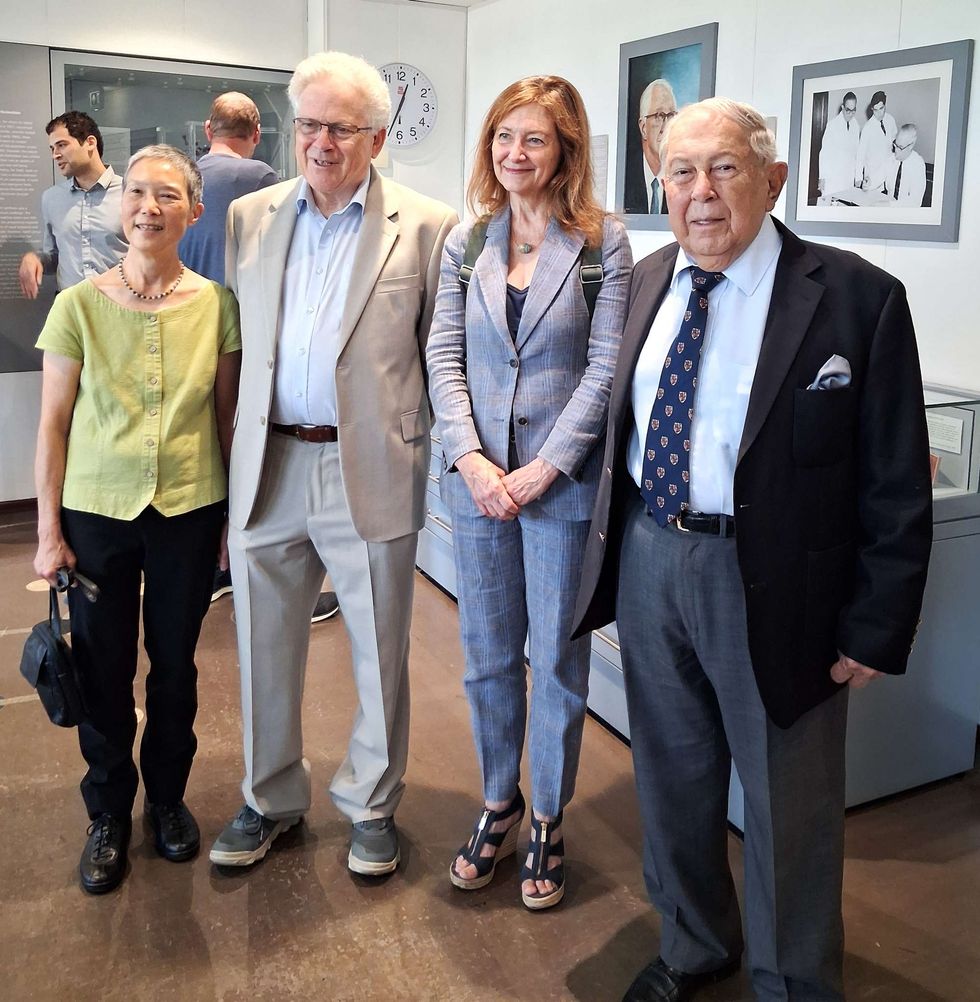 (From left) Katherine Abell. Jeremy Sanders. Deborah Prentice. and Yusuf Hamied Amit Roy
 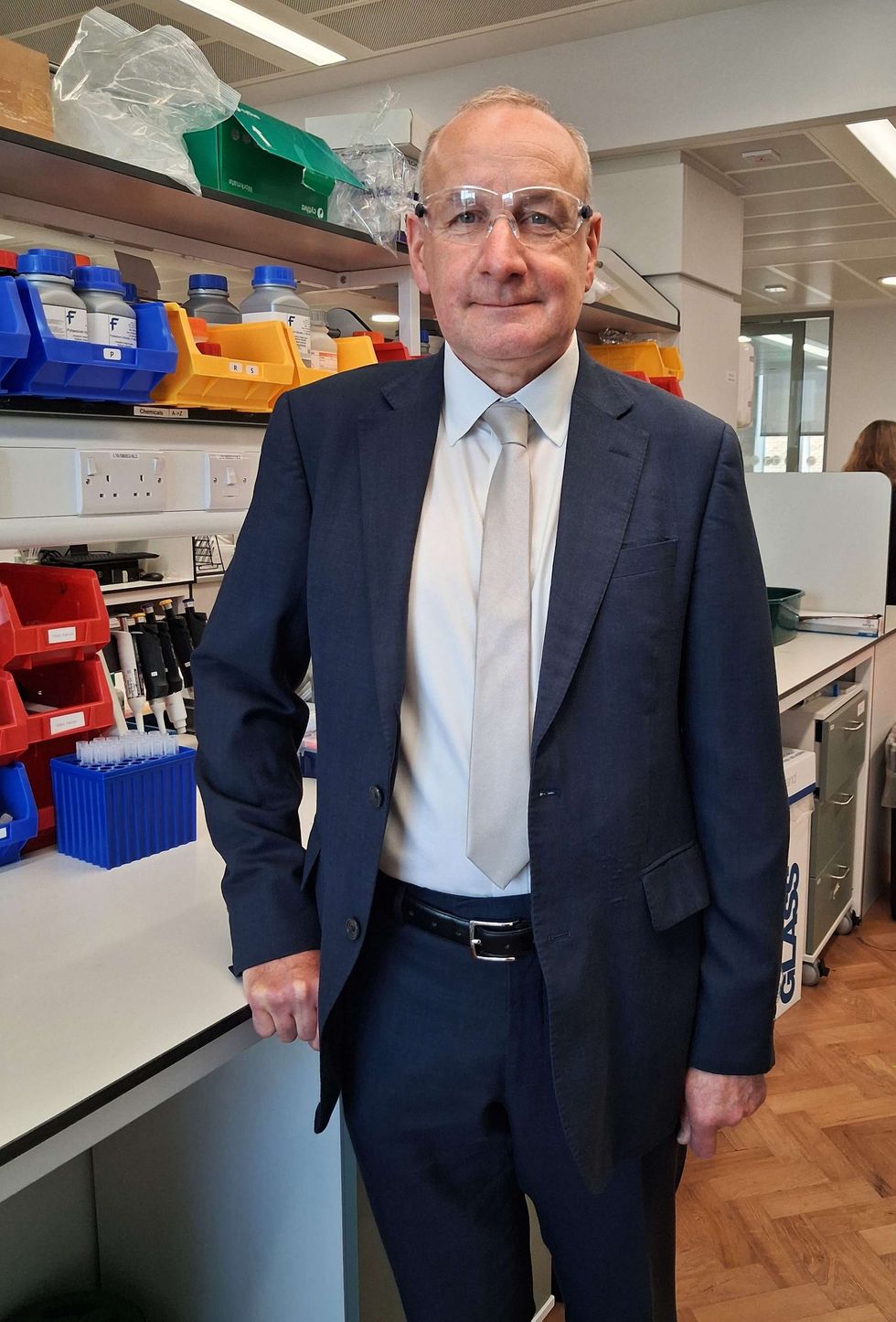 James Keeler Amit Roy
 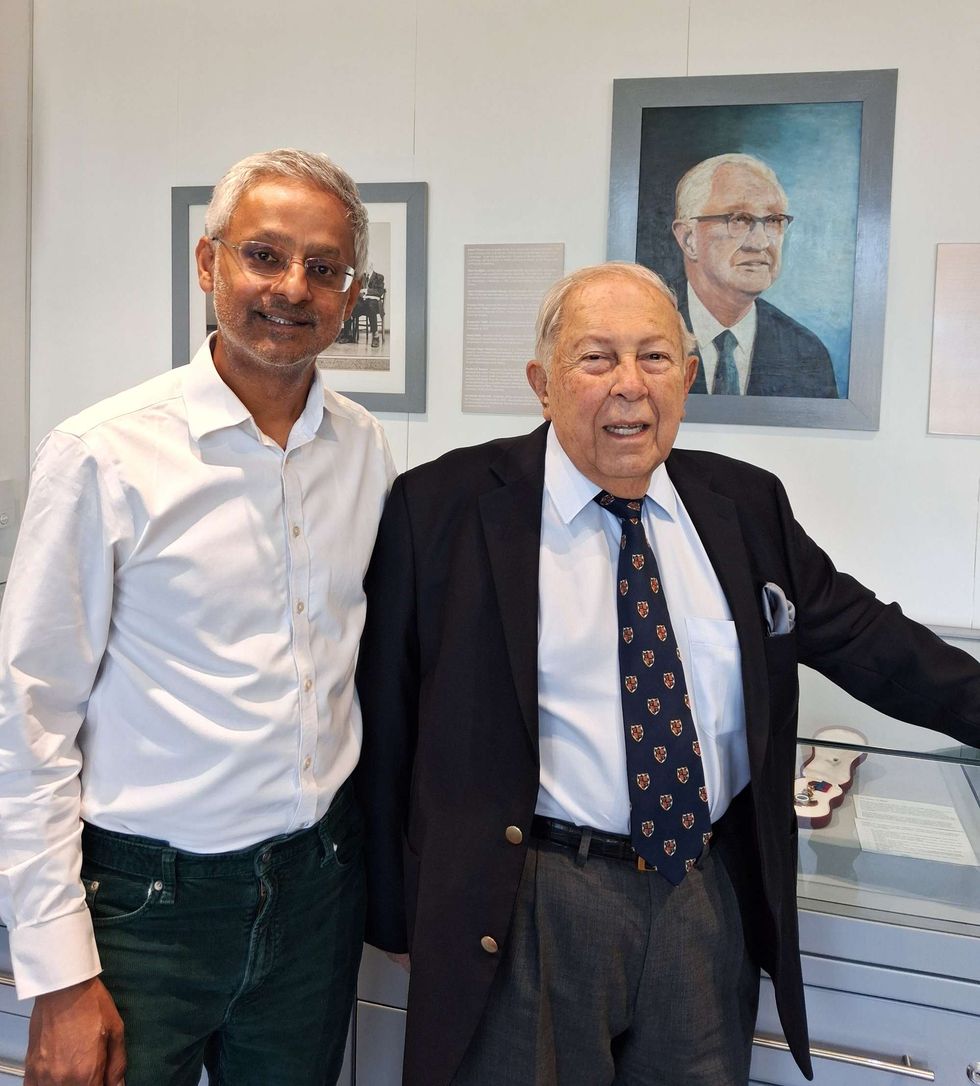 Shankar Balasubramanian with Yusuf Hamed Amit Roy