
by Amit Roy
FOCUS WILL BE ON KHAN’S RECORD AS LONDON MAYOR
ALMOST without anyone noticing, Sadiq Khan has let it be known that he is to run again for the post of London mayor on May 7, 2020.
He should keep in mind the option that if Labour leader Jeremy Corbyn loses the next general election – as still seems likely – there is going to be a vacancy for the job of the party leader.
“I will be running again to be the mayor, yes – that’s the first time I’ve said that publicly,” Sadiq said, during a recent appearance on singer Jessie Ware’s podcast.
Sadiq, who dealt with a series of terrorist incidents in London in 2017, including the attacks in Westminster, London Bridge and Parsons Green, plus the Grenfell Tower disaster has, on the whole, been a good mayor.
The mayor would have alienated tens of thousands of voters – myself included – if he had ousted Uber from London. It is used by 3.5m especially young people in London. The 15-month probationary licence granted to Uber by Westminster magistrates court on Tuesday (26) on promise of future good behaviour is a victory for common sense.
Before Sadiq can be endorsed, he will also have to show that he can do more to resolve London’s housing crisis, which makes it near impossible for the young to get a mortgage. Banning foreigners from using off-shore accounts to buy property in the capital and leaving them empty might be a start.
There is, at least, one more issue where Sadiq should intervene – and that is the impending demolition of the India Club at 143 The Strand. Historic England and Matt Hancock’s department of culture have decided that the India Club can be knocked down in order to make way for a hotel.
Sadiq should prevail upon Westminster Council to withhold planning permission. Incidentally, as the fate of the India Club has hung in the balance, the Tory MP for the Cities of London and Westminster, Mark Field, who happens to be the foreign office minister, has remained relatively silent.
He, too, should strongly resist this act of vandalism.

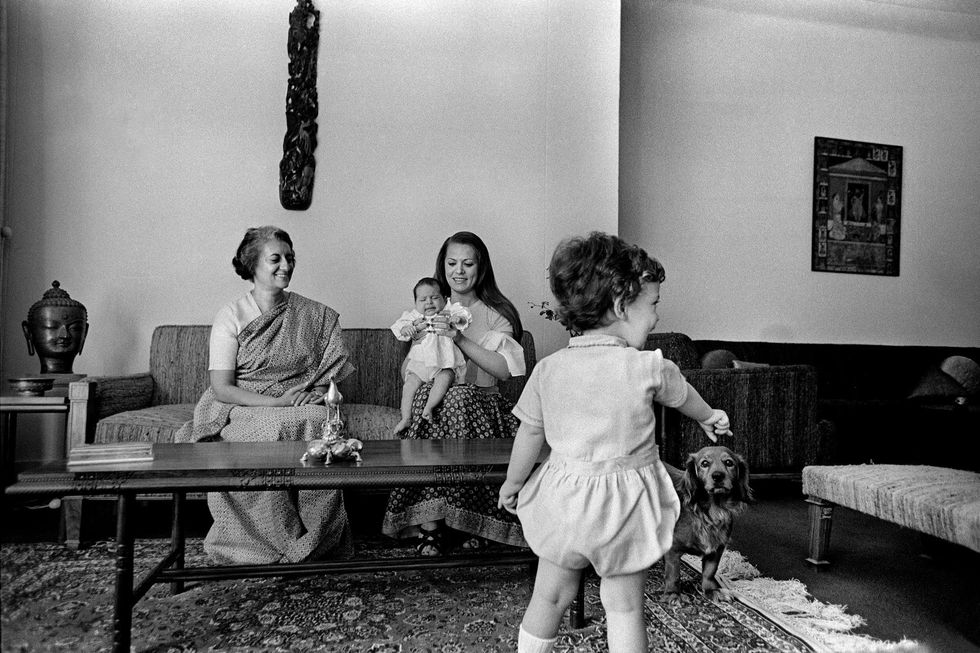 Indira Gandhi with Sonia and her children, Rahul and PriyankaAgencies
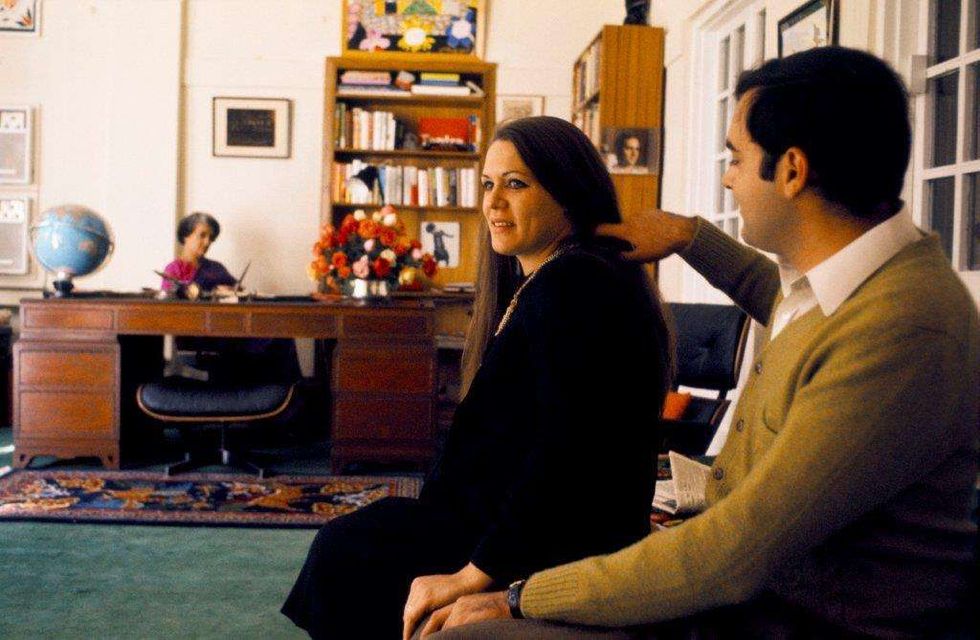 Sonia and Rajiv Gandhi in Indira Gandhi’s officeMarilyn Stafford
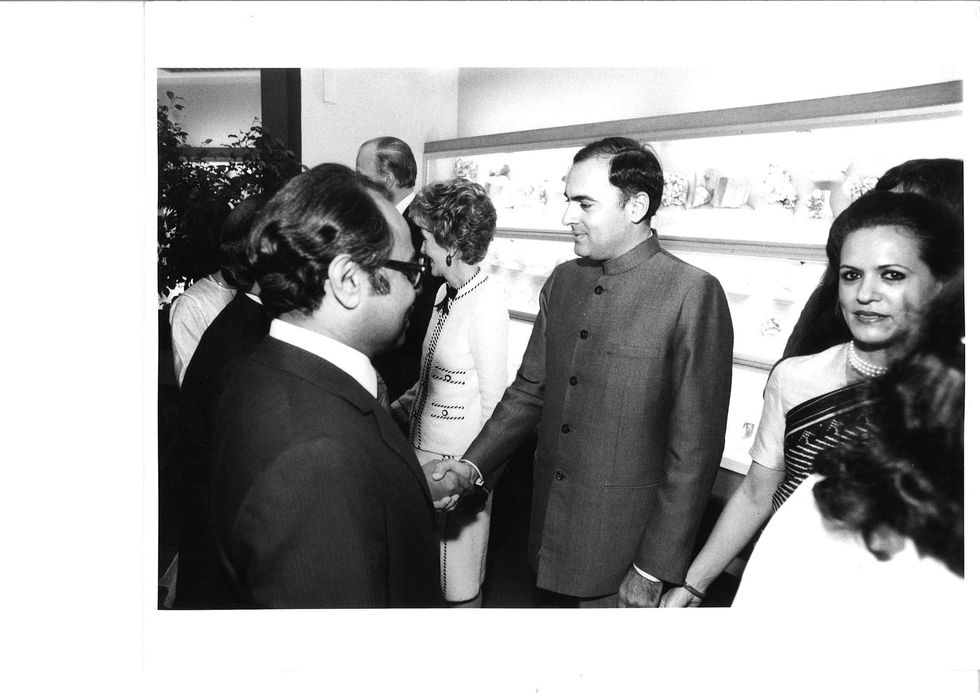 Rajiv and Sonia GandhiAgencies