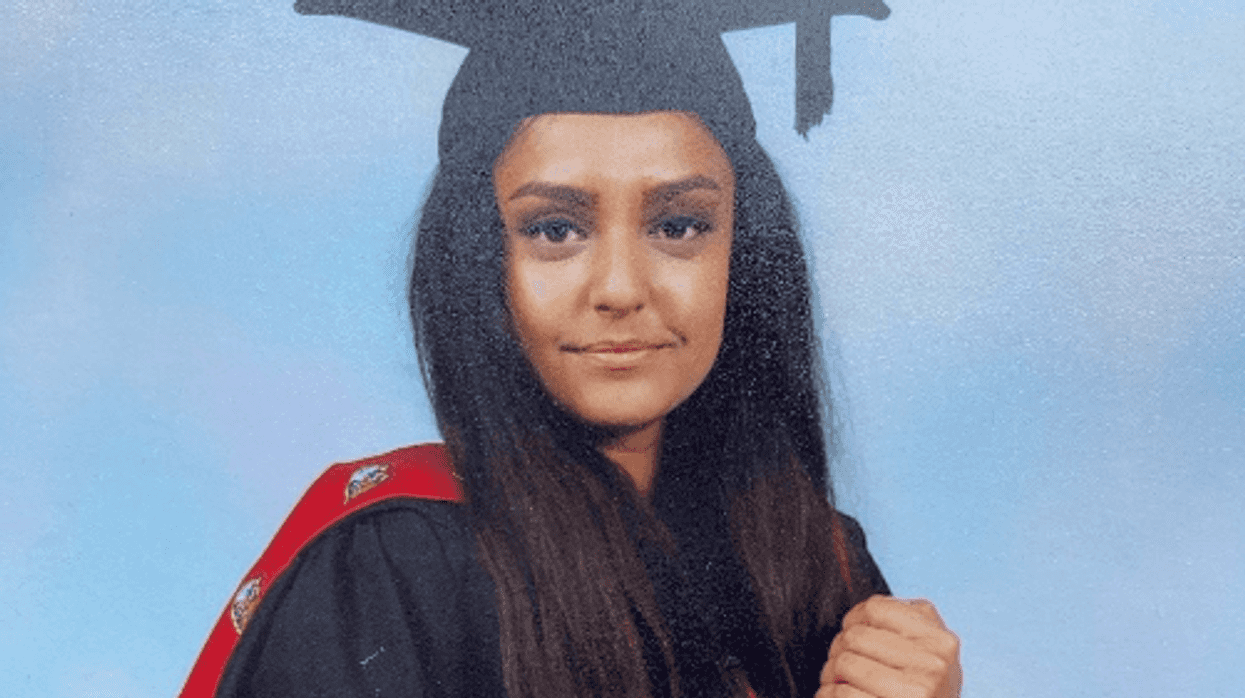

JEBINA YASMIN ISLAM, the sister of murdered primary school teacher Sabina Nessa, has described how Nessa's killer, Koci Selamaj, refused to come to court to hear her victim impact statement at his sentencing.
Nessa was murdered five years ago. Her body was found in Cator Park, Kidbrooke, five minutes from her home, after she was attacked while walking through the park.
Writing in the Times, Islam said police told her that Selamaj had attacked Nessa "simply because he wanted to kill a woman".
"When people say she was in the wrong place at the wrong time, I say no. She wasn't there at the wrong time. She had every right to go through the park all glammed up. He was the one who was in the wrong," She wrote.
Islam said she spent days writing her victim statement so people would understand "the Sabina I knew" and what had been taken from her family.
She added, "To my shock, he refused to come out of his cell and there was nothing anyone could do. I couldn't understand how the judge had all that power but could not even bring him to court. It was his right."
She said she had to sit in court for months, watching CCTV of Nessa's final moments and listening to a lawyer describe how Selamaj had come up behind her and struck her on the head 34 times with a 2ft metal object, "yet he denied me the chance to speak for my sister".
Campaign to change the law
Selamaj was sentenced in April 2022. Islam said: "After he was sentenced in April 2022, I started campaigning to change the law so nobody else would have to go through what we did. Campaigning gave me a way to channel the hurt and anger."
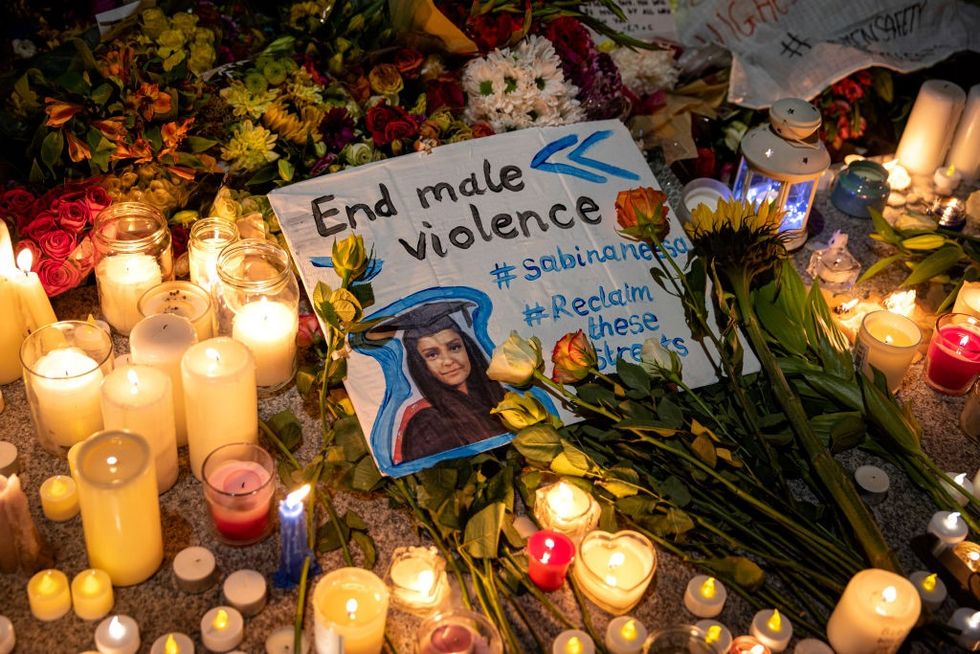 Sabina Nessa: Hundreds gather for vigil in Eastbourne Getty Images
In April this year, the change became part of the Victims and Courts Act. Under the law, perpetrators will have to come to court to hear victims' impact statements. If they refuse, they will get an additional two years added to their sentence.
Islam said: "People often ask, if somebody has got a 36-year prison sentence, what difference is another two years going to make, but as a victim's family it makes all the difference to us."
She said she would never get an answer to why Selamaj killed her sister, adding: "I know it's not going to bring my sister back but I just want to know why he killed her and why so viciously, when he didn't even know her. It's like having a jigsaw that you can't complete because some of the pieces are missing."
Islam described the difficulty of explaining her sister's death to her two daughters, who were five and ten months old when Nessa died.
"The hardest part has been explaining it to them. My eldest saw the police and visitors coming in and out and all the tears, so I couldn't hide it from her. Seeing her face fall when I told her Sabina died is something I will never forget," she further said.
She said of her younger daughter: "My younger one didn't get to have that time with her, so she is curious and asks questions about Sabina. I tell her, 'Sabina's in Heaven and Allah is looking after her, she just got hurt a bit, and then she passed away.'"
Islam said she did not want her sister's life to be defined by her death, saying: "I don't want her life to be defined by her death because that would give power to him."
She said the support of the community had helped her, adding that she remains in touch with Nessa's head teacher and that the school has a memorial garden dedicated to her.
Islam said, "I feel like something good has come out of her death, and I will always remember that the Victims and Courts Act was all down to my brave, kind, fearless sister."