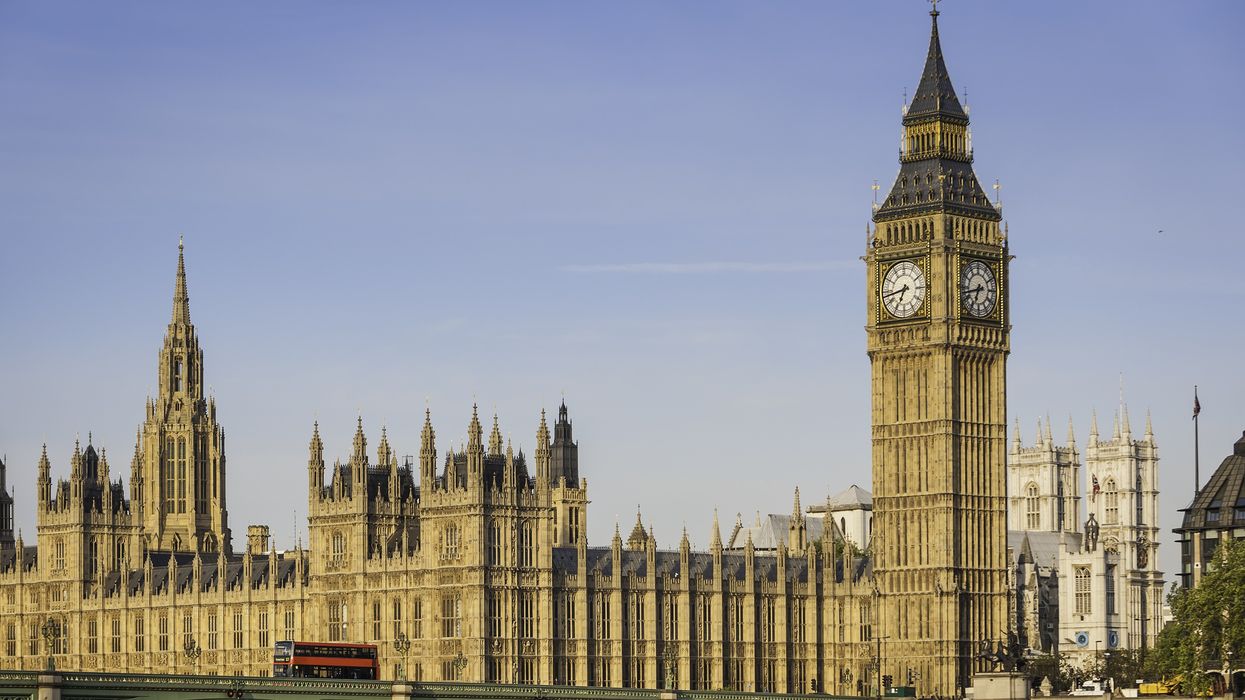

RUSSIA has imposed sanctions on 15 British MPs and six members of the House of Lords, citing “hostile statements and unfounded accusations” about Moscow.
The move was announced by Russia’s foreign ministry in a statement accusing the UK of “fabricating anti-Russian narratives” and trying to “demonise” the country, The Guardian reported.
The sanctions target politicians across parties who have supported calls for frozen Russian assets to be used to aid Ukraine.
Those named include Labour MPs Phil Brickell, Jeevun Sandher, Johanna Baxter, and Blair McDougall, and Liberal Democrat MPs Alistair Carmichael, Chris Coghlan, Helen Maguire, and James MacCleary. Stephen Gethins of the SNP and Jim Shannon of the DUP were also sanctioned.
McDougall, Brickell, Sandher, and Maguire responded to the sanctions, reaffirming their support for Ukraine. “This won’t stop British MPs from speaking up for the people of Ukraine,” McDougall said.
The UK government has pushed for Russian central bank assets to be seized, especially after backing from foreign secretary David Lammy.
Some EU nations and the European Central Bank have expressed concern over legal and financial risks.
Thirteen of the sanctioned MPs entered Parliament in 2024. Russia had earlier sanctioned 287 UK MPs in 2022.