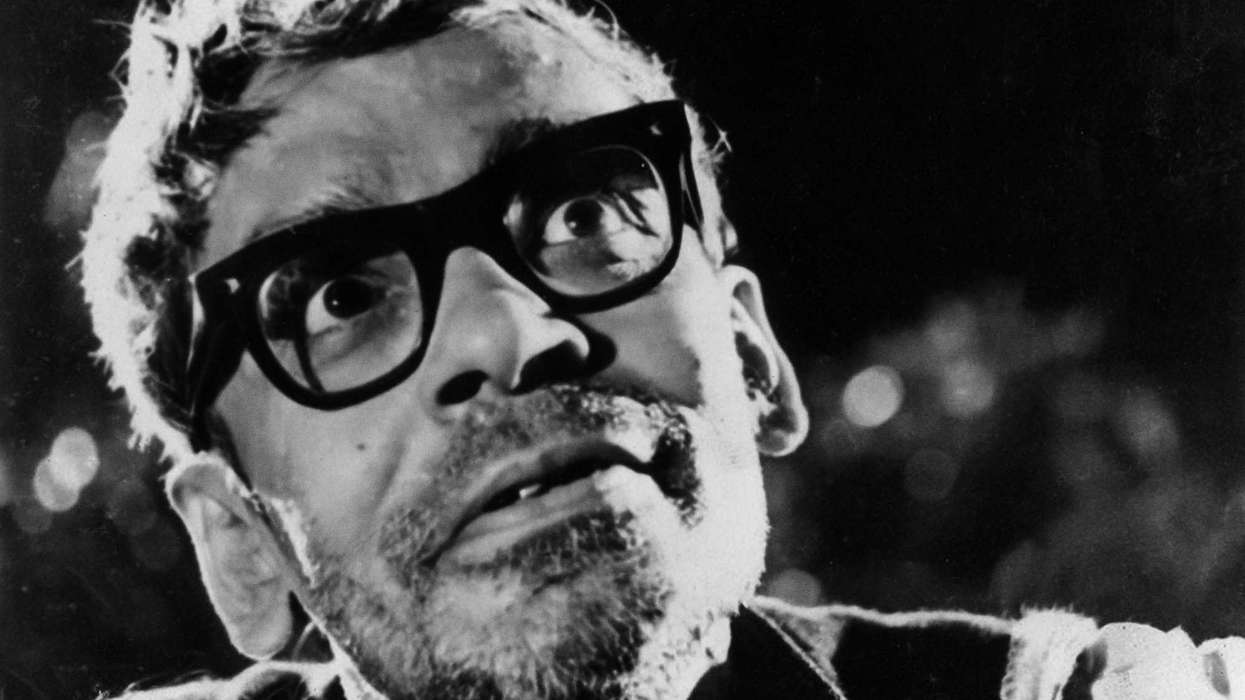
LONDON’S BFI will next month screen Indian filmmaker Ritwik Ghatak’s work – including his unfinished films, as well as shorts and documentaries – to mark his birth centenary in what is being described as a “lottery” for cinephiles.
When he died in 1967, aged 50, Ghatak had made only six films, which were barely seen in his lifetime.
Included in the BFI season are restored versions of every feature the filmmaker from Bengal made, as well as three incomplete movies, 13 fiction and documentary shorts.
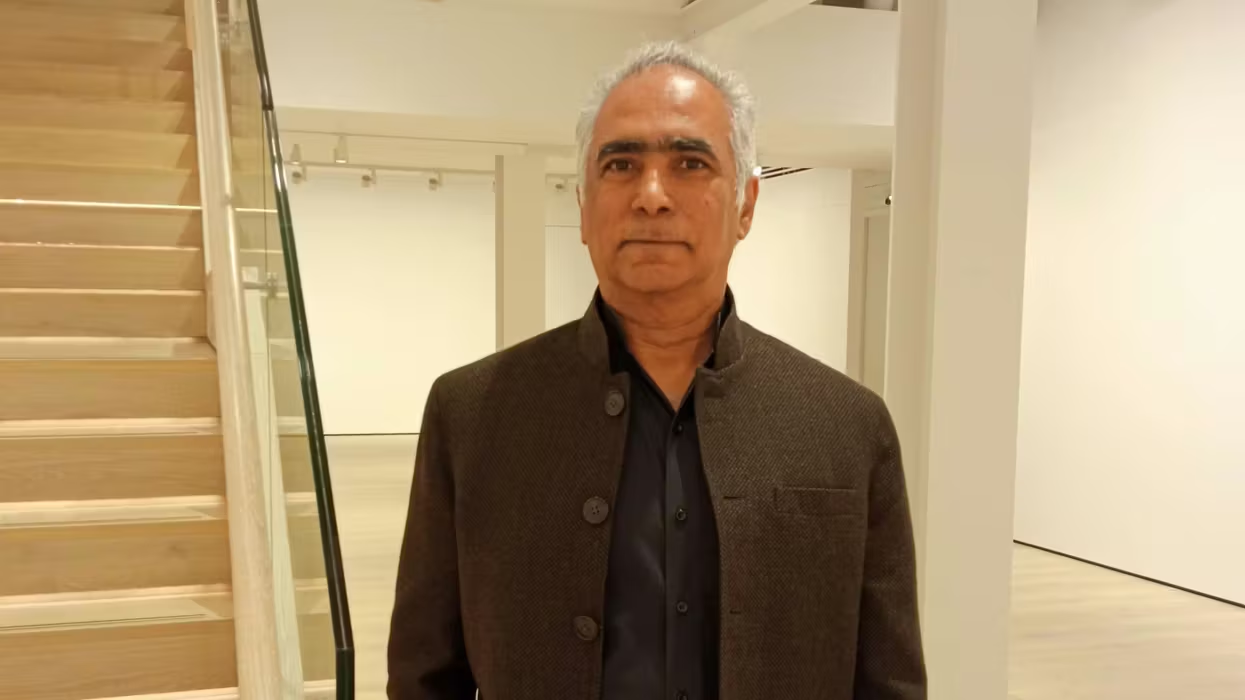
“It is literally a lottery kind of thing; you will never be able to see these because they are not accessible,” Sanghita Sen, who has curated the season, told Eastern Eye.
“Several of Ghatak’s films are so difficult to access. Initially, when the films were released in his lifetime, people didn’t accept the films as it should have been, other than Meghe Dhaka Tara (The Cloud Capped Star), a tremendously successful film, but his other films did not meet with this success. Later on, even if people wanted to see his films, it was so difficult,” she added.
The BFI programme is in partnership with India’s NFDC and the National Film Archive of India, which restored Ghatak’s films. Sen hopes it is not only south Asians who will be keen on the season, but also students of film, movie scholars and historians and anyone interested in good cinema.
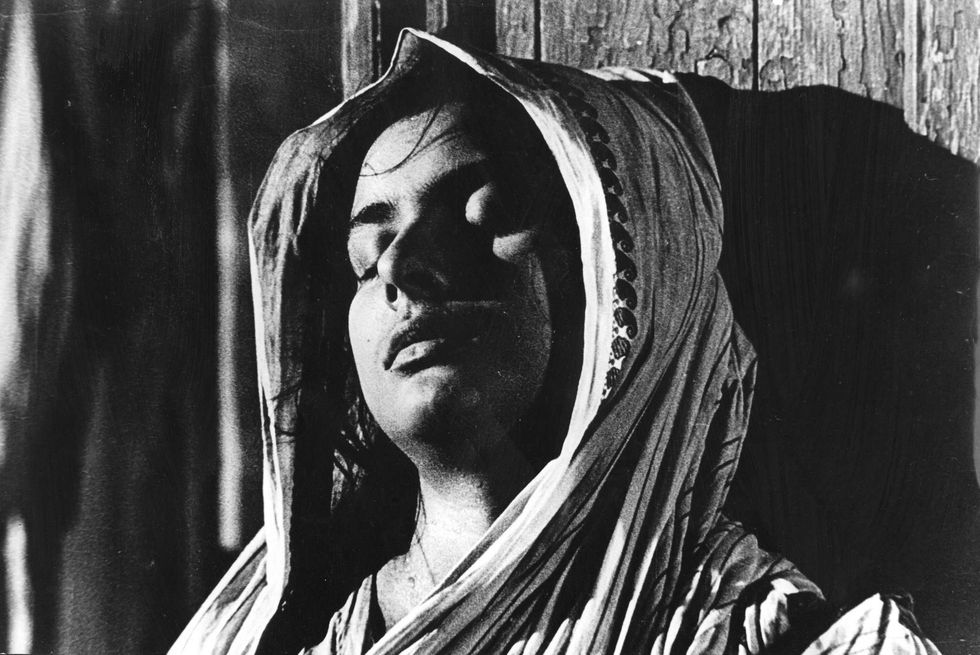 A still from SubarnarekhaBFI National Archive
“People will see the range and breadth of Ghatak’s cinematic, artistic and also, philosophical excellence, because he is a thinker, he is an intellectual,” the curator said. Sen’s exposure to Ghatak’s work was as a young child in West Bengal, when she recalled skipping school to watch movies, sometimes up to three in a day.
One time, her uncle held a retrospective of Ghatak’s work when the filmmaker passed away, and Sen candidly revealed she didn’t like most of his films “because that made me cry, and made everybody else cry around me. I thought, ‘what is the point?’”
However, those proved to be formative years that sparked an interest in Ghatak’s oeuvre.
Sen explained how the filmmaker thought of cinema as a vehicle to communicate something of historical and political relevance. Three of his films – Meghe Dhaka Tara, E Flat and Subarnarekha, centre around Partition, though Sen pointed out this was not his intent.
“All his life, he actually engaged with this tectonic shift that is Indian Partition,” the curator said.
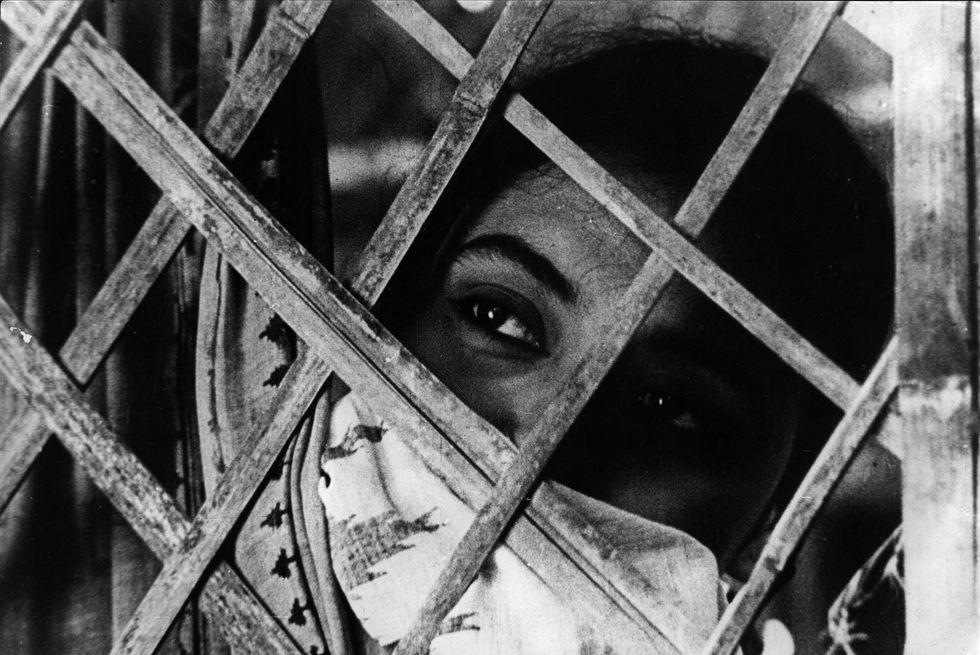 Meghe Dhaka TaraBFI National Archive
“Ghatak was this brilliant, visionary and dazzling filmmaker. I know these are a lot of adjectives, but I don’t know how else to describe him. He touched upon a lot of topics, but one of the predominant formats was India’s Partition and its aftermath and aftershocks.
“He talks about forced displacement and people’s existential uprooting, along with the human beings’ position in the environment, how it changes everything.
“If you think about it deeply, you will see these are concerns not restricted to 1950s, 1960s or 1970s; think about today’s world. There is this refugee crisis everywhere, a war going on, a genocide. People are being forced to leave their homes.
“And leaving home isn’t just moving from one place to the other. It is also a loss of people’s culture, human connection, community.” Meghe Dhaka Tara, the only commercially successful film during Ghatak’s lifetime, depicts the rupture of Partition through a refugee family.
E Flat is described by the BFI as a “semi-autobiographical work, set amid the factional infighting of the Communist theatre scene of Kolkata… blending romance, politics, literature and music, Ghatak creates a lyrical meditation on displacement, collective memory and the unrelenting hope that culture may unite a people divided by the Partition.”
In Subarnarekha, the last of the trilogy (and also a favourite of Sen), Ghatak tells the story of a “refugee family who resettles near an industrial landscape by a river, hoping to rebuild their lives after Partition”.
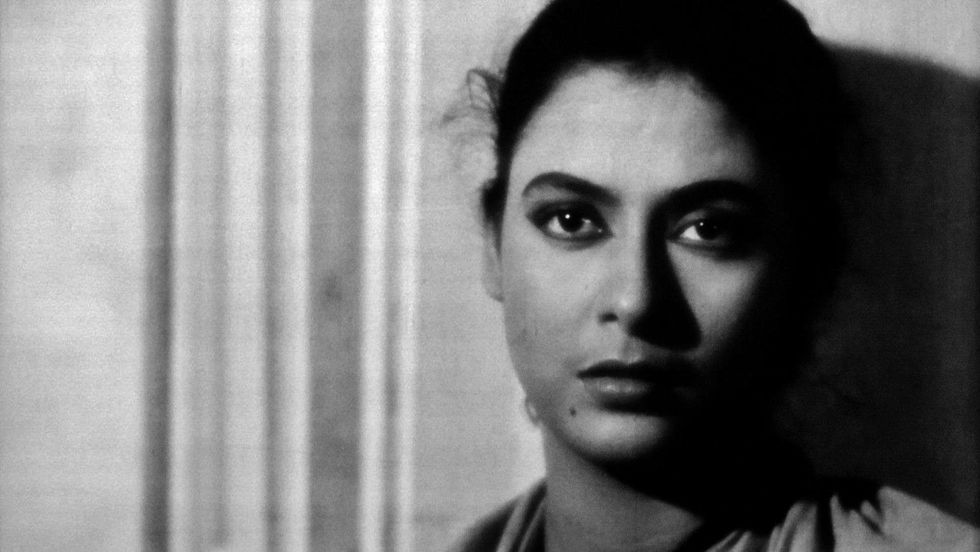 E FlatBFI National Archive
Sen noted how Ghatak’s focus on these themes makes him “deeply relevant” and therefore makes his films “extremely relatable and contemporary”.
She added, “Sometimes, people think of the Partition as a historical event, like, maybe the second world war, but it is an ongoing process, and Ghatak saw that.”
She drew attention to recent developments in India in relation to the citizenship of certain groups and said, “any thinking person cannot help but notice the long standing presence of Partition in our contemporary life, how it remains relevant today.”
“This is what makes Ghatak a conscience of our time. For him, refugees were not just numbers. I live in the West and I see how refugees are spoken of as a number, but they are all human beings, like you and me, and they are individuals,” Sen said.
“Ghatak’s greatest contribution is he saw refugees as people and he told their stories as being someone belonging to this group. He told our stories as one of us, not as an outsider. This is what makes Ghatak so unique and inspiring.”
Despite the colossal loss (of Partition) and the “existential uprootedness of human beings, Ghatak shows each story through a microcosm, Sen added.
The BFI season kicks off on June 2 and lasts through the month; some of these will also be available on the BFI Player.
“Ghatak was the most original, radical and uncompromising filmmaker to emerge from south Asian cinema after independence, the BFI said.
“Through dazzling innovations in cinematic storytelling, Ghatak examined the human cost of political betrayal, probing the fractures of family, culture and social justice, always with hope and courage.
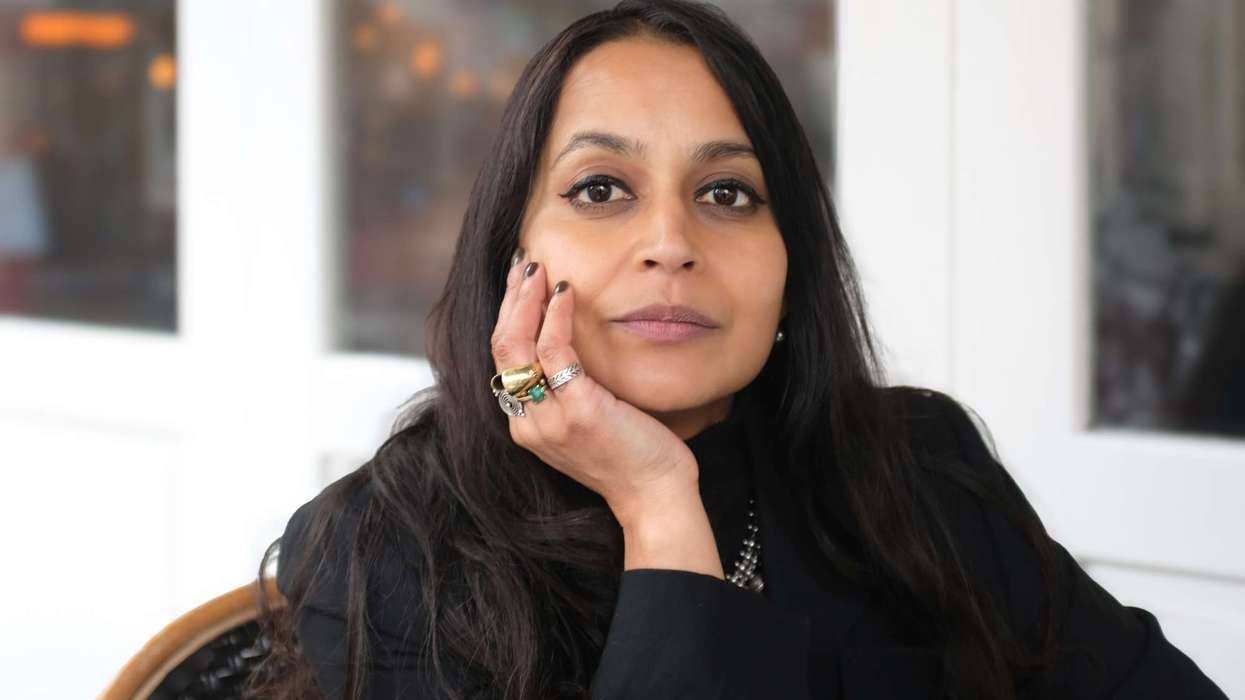
 Sanghita Sen Eastern Eye
“His work was far ahead of its time and stands today as a thrilling testament to cinema’s emotional, political and moral power.”
Sen described what made Ghatak stand out among his peers.
“He didn’t believe that cinema should just entertain. Cinema can incidentally entertain, but it should act as something that makes you feel, makes you think. Feel first and then think, because feeling will lead to thinking.
“Ghatak didn’t separate emotion from intellect; mostly, people will, but he didn’t think that in order for you to be an intellectual person, you need to be less emotional. That is my understanding of Ghatak, which is why his films are so, so high in emotional quotient; you immediately feel, because he touches a raw nerve in us.”
He depicted “everything with the precision of a journalist, but the empathy of a mother”.
She added, “If you are watching Ghatak, you can’t be lazy. Ghatak actually demanded a lot from his audiences. It was slightly difficult content, and he couldn’t compromise on what he wanted cinema to be.”
But, she said, his films are full of popular elements and Ghatak’s films have something for everyone, be that music lovers, or audiences who like brilliant images or for thinkers, there’s history and debate.
Ghatak also taught at the Film Institute of India (it later became the Film and Television Institute of India) and his work influenced the next generation of filmmakers such as Adoor Gopalakrishnan, Kumar Shahani, Mani Kaul and John Abraham. Jaya Bhaduri (later Bachchan) was his student, as was Subhash Ghai.
Sen said, “Ghatak was able to convey to his students – be brave to make your voice heard and be counted. Don’t follow anyone. That is his greatest achievement as a filmmaker, as a mentor and as a teacher.”
Revolutionary Cinema: The Passion of Ritwik Ghatak is at BFI Southbank from June 1-30


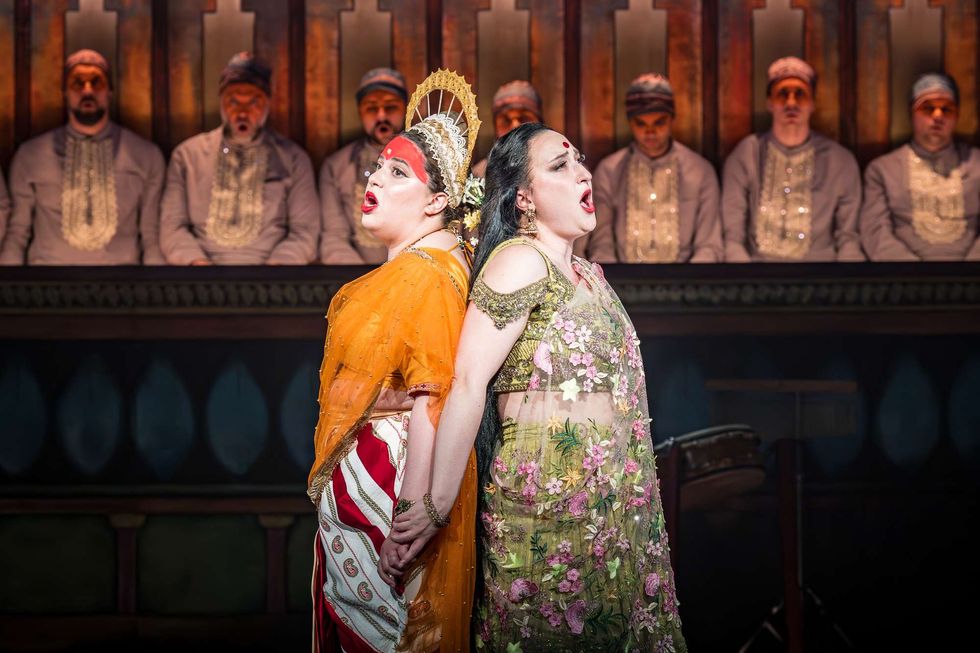 Nazan Fikret as Rukmini and Julia Sitkovetsky as RadhaMarc Brenner
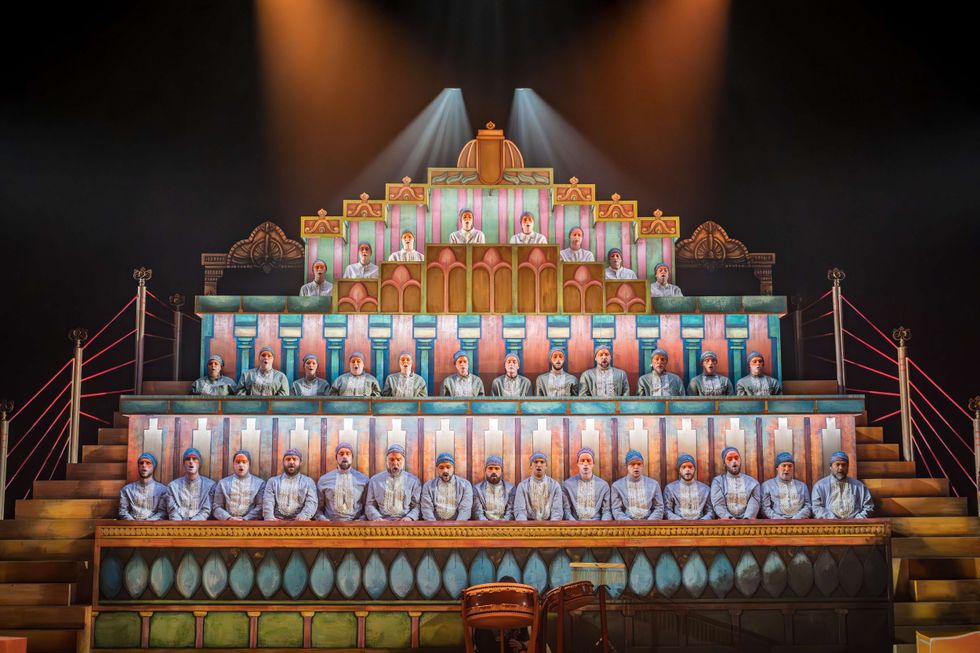 A scene from the productionMarc Brenner
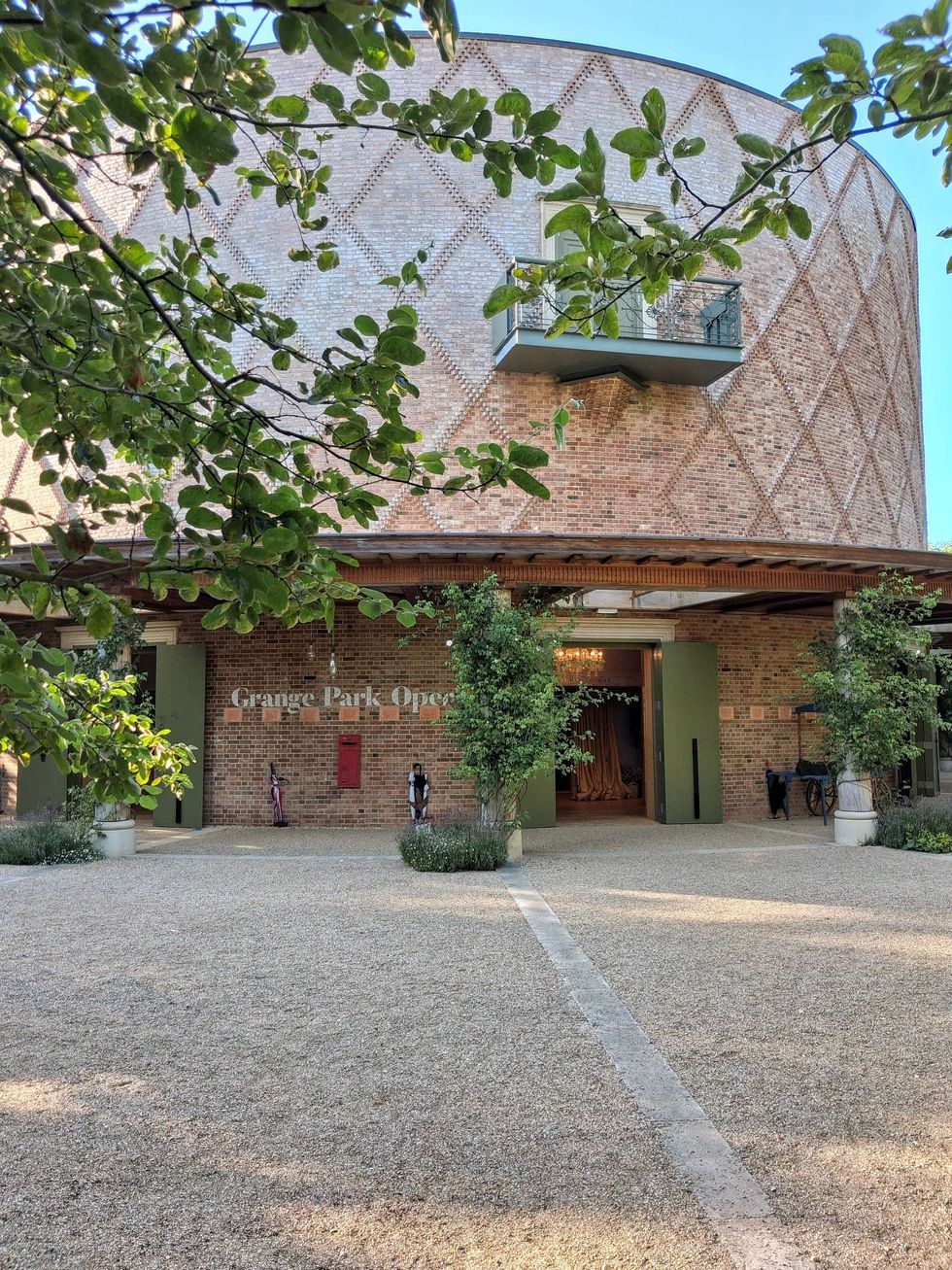 The Grange Park Opera theatre in SurreyMarc Brenner
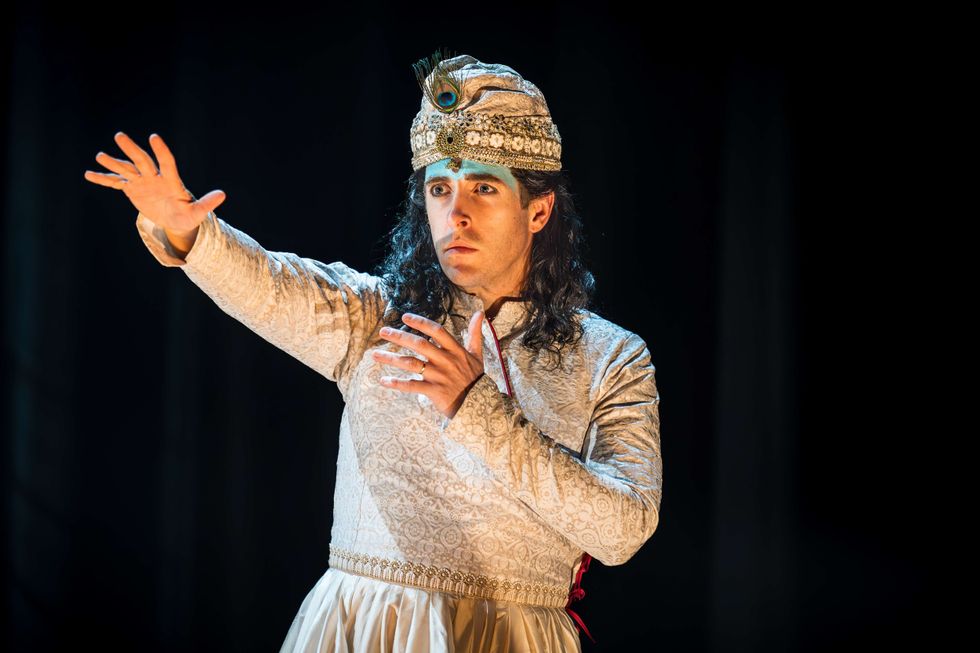 Elgan Llŷr Thomas as the young KrishnaMarc Brenner
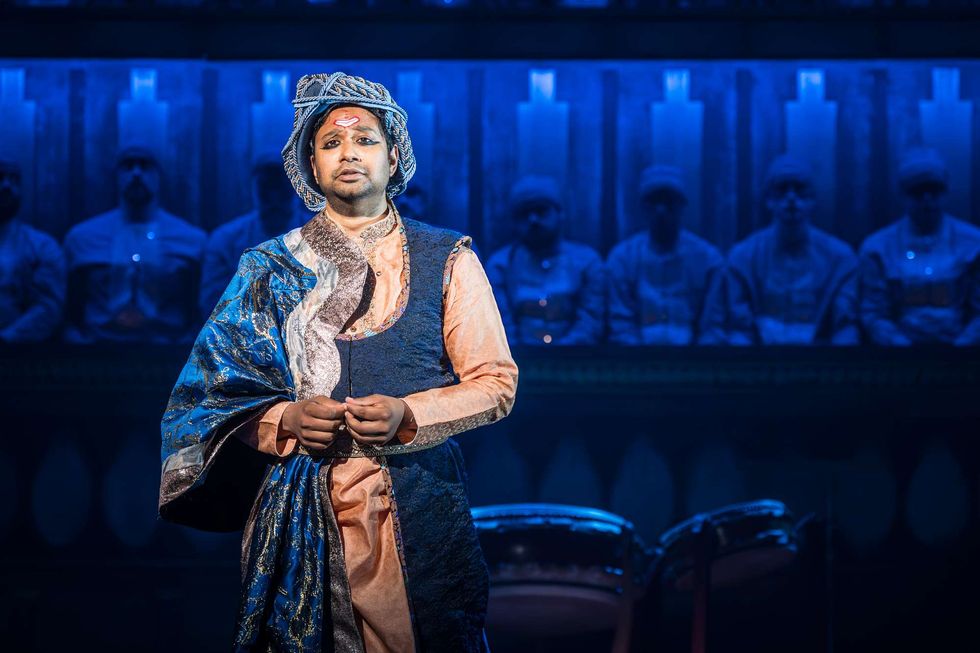 Ross Ramgobin as the celestial narratorMarc Brenner
 Rosa Sparks as the child KrishnaMarc Brenner
 Audiences picnic during the intervalMarc Brenner
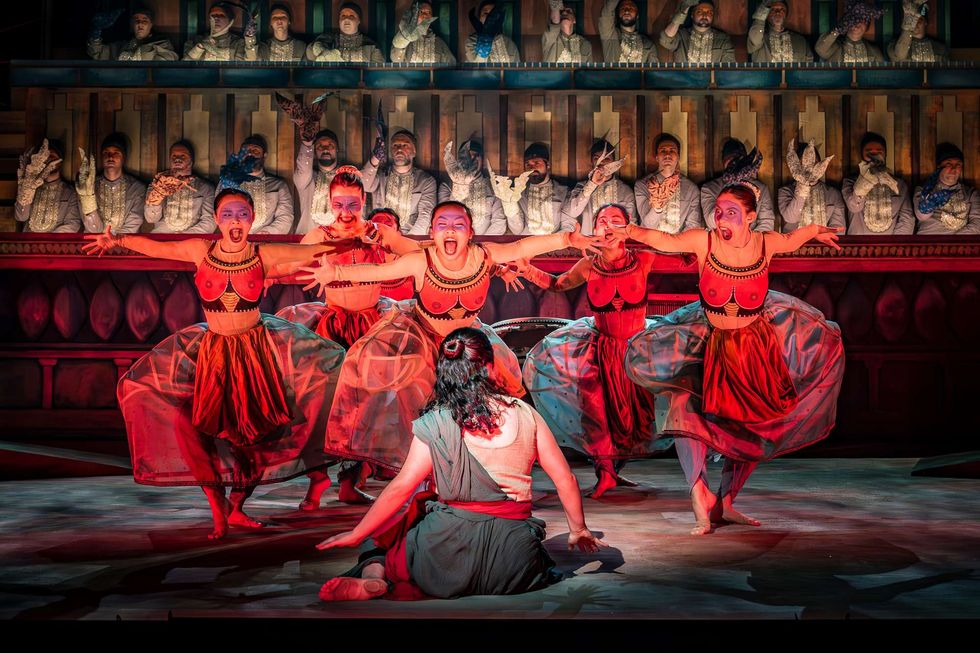 Dancers perform in the operaMarc Brenner