
Skip to content
Search

Latest Stories

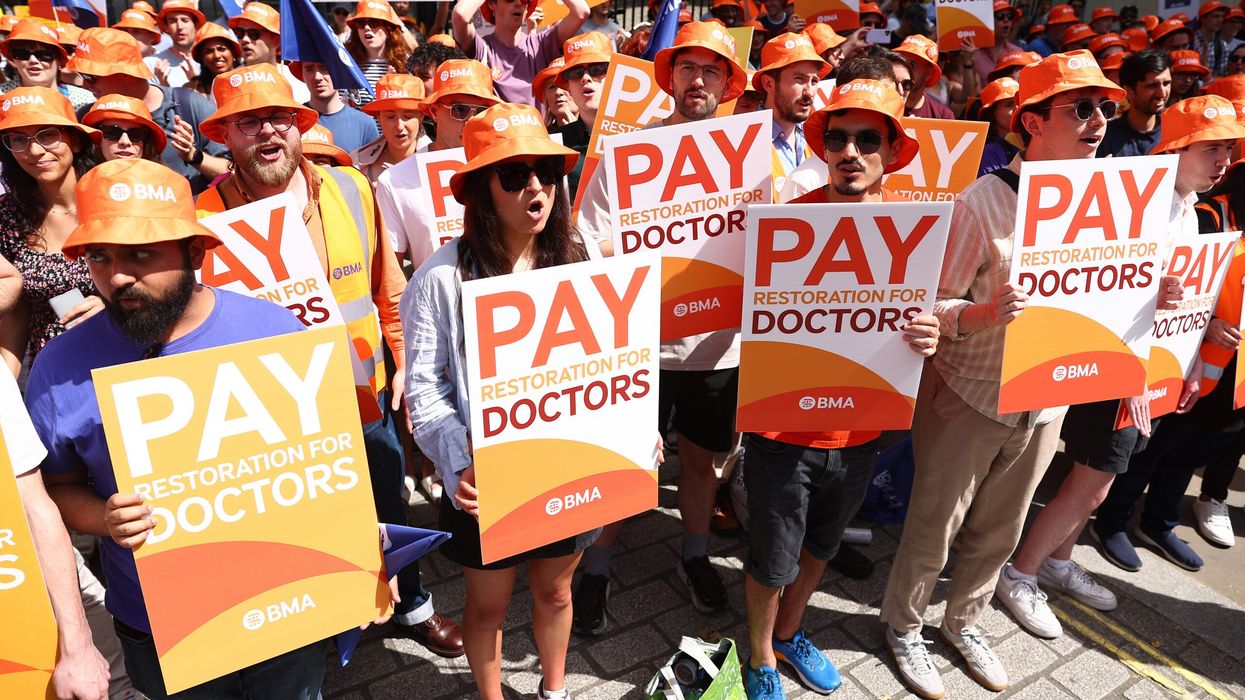
England's resident doctors announce five-day strike over pay dispute

The doctors, also known as resident doctors, make up a large part of the medical workforce. They were offered an average 5.4 per cent pay rise but are seeking 29 per cent, saying this is needed to reverse years of real-terms pay erosion.

Doctors' strike

The doctors had previously accepted a 22 per cent pay rise covering 2023 to 2025, which brought an end to earlier rounds of strikes.

Getty Images

JUNIOR doctors in England will go on strike from 25 to 30 July, their union said on Wednesday, after the British government said it could not meet their demand for an improved pay offer this year.

The doctors, also known as resident doctors, make up a large part of the medical workforce. They were offered an average 5.4 per cent pay rise but are seeking 29 per cent, saying this is needed to reverse years of real-terms pay erosion.


Health minister Wes Streeting described the strike as "completely unreasonable" in a statement after the five-day walk-out was announced. In a letter to the British Medical Association (BMA), the doctors’ union, he said the government could not go any higher on pay this year.

"The NHS recovery is hanging by a thread, and the BMA are threatening to pull it," he said. "The BMA should abandon their rush to strike and work with us to improve resident doctors' working lives instead."

The doctors had previously accepted a 22 per cent pay rise covering 2023 to 2025, which brought an end to earlier rounds of strikes.

The new strike action is likely to cause further disruption to thousands of appointments and procedures at hospitals across Britain, at a time when the government has said it is making progress in improving services at the state-funded National Health Service.

"Without a credible offer to keep us on the path to restore our pay, we have no choice but to call strikes," the co-chairs of the BMA's resident doctors' committee said in a statement.

The BMA said it had met Streeting on Wednesday, but the government wanted to focus on non-pay aspects of doctors' work.
More For You

Starmer

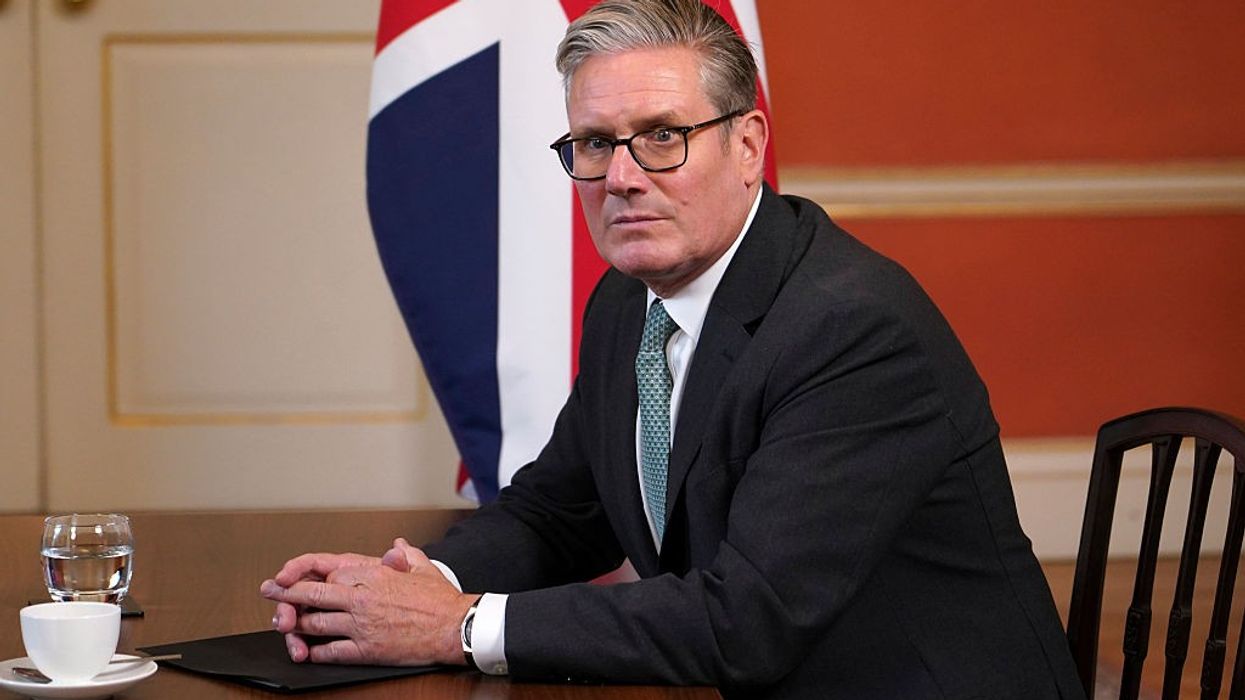
Starmer criticises Trump and Putin as UK energy bills track global tensions

Getty Images

Starmer criticises Trump and Putin as UK energy bills track global tensions

  • Starmer says UK families are paying the price for global political decisions.
  • Energy price swings linked to Middle East conflict and oil volatility.
  • Tensions rise between UK and US amid wider geopolitical disagreements.

The sharp swings in UK energy bills are now becoming a political flashpoint, with Prime Minister Keir Starmer openly blaming global leaders for the pressure on households. Speaking amid ongoing volatility in oil markets, Starmer said he was “fed up” with how international conflicts are feeding directly into rising costs for British families and businesses.

Oil prices have been fluctuating following the US-Israeli war with Iran and a fragile ceasefire, and that instability is filtering through to energy costs across the UK. Against this backdrop, Starmer pointed the finger at Donald Trump and Vladimir Putin, suggesting their actions are driving uncertainty that ordinary people end up paying for.

Keep ReadingShow less