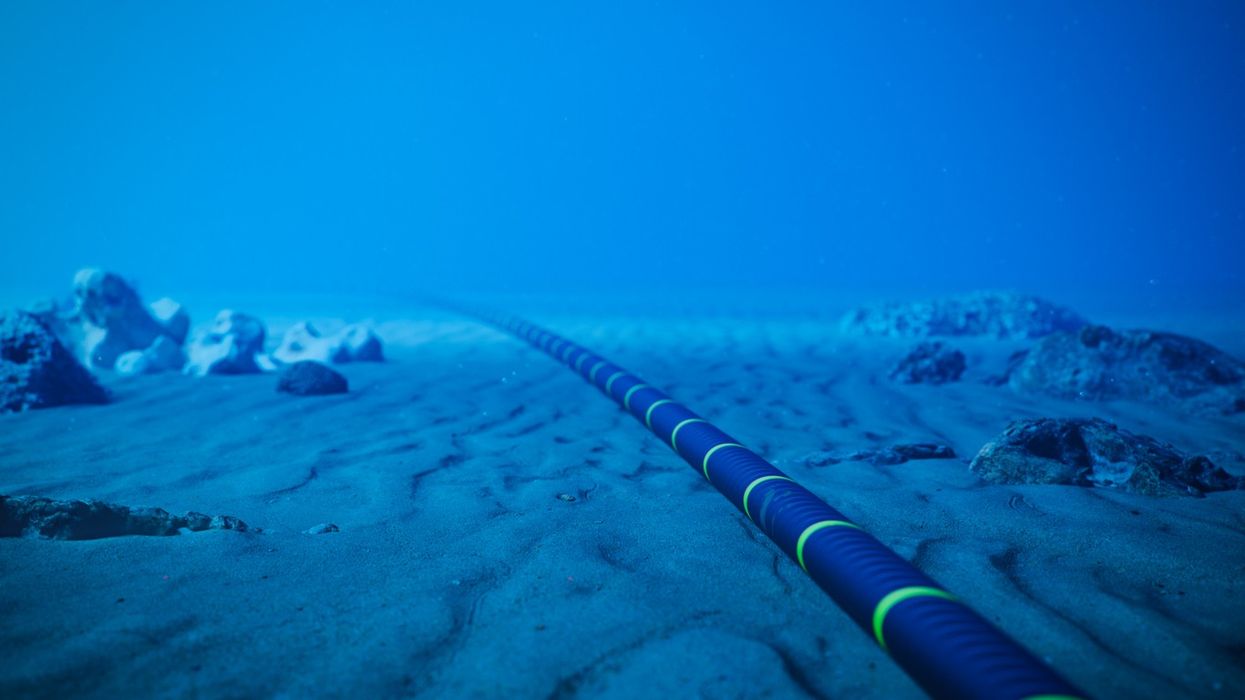

The undersea cable network in the Red Sea is facing disruptions with cables getting cut and this has affected data traffic flow between Asia and Europe, BBC reports.
Hong Kong-based HGC Global Communications said four of the 15 cables were recently severed and it has taken measures to reroute the traffic.
The affected submarine cables are Seacom, TGN-Gulf, Asia-Africa-Europe 1 and Europe India Gateway.
An estimated 25 per cent of traffic was affected. Around 80 per cent of the west-bound traffic from Asia passed through the cables, the telecom company said.
HGC has rerouted data to Europe through cables in mainland China and under the Pacific Ocean to the US, and the remaining cables in the Red Sea.
The US is trying to find out whether these cables were cut deliberately or due to some accident, BBC added.
Yemen's internationally recognized government in exile has blamed the Houthis, who control a major chunk of western Yemen's Red Sea coast, for targeting the cables.
But the Houthis have denied it and blamed US and British military strikes for the disruption.
US and British forces are targeting Houthi strongholds in response to the drone and missile attacks on merchant vessels passing through the Red Sea and the Gulf of Aden.
The Houthis insist these attacks will continue until Israel stops its combat operations in the Gaza Strip.