
- Raleigh owner Accell has begun insolvency proceedings after failing to secure a buyer.
- The Dutch bicycle group said it had exhausted all options to continue operating in its current form.
- The move leaves the future of the 138-year-old Raleigh brand in the hands of administrators.
The company behind Britain's historic Raleigh bicycle brand has entered insolvency proceedings after failing to secure a buyer, casting fresh uncertainty over the future of one of the country's best-known cycling names.
Dutch bicycle group Accell, which bought Raleigh for £74 million ($100 million) in 2012, announced that it had called in administrators after exhausting efforts to restructure the business and find a solution that would allow it to continue operating in its current form.
The move follows several difficult years for the cycling industry, which experienced a boom during the Covid-19 pandemic before demand fell sharply, leaving manufacturers with excess stock, falling sales and mounting financial pressure.
A cycling icon caught in an industry downturn
Founded in Nottingham in 1887, Raleigh grew into the world's largest bicycle manufacturer, producing around one million bicycles a year at its peak and employing more than 8,000 people. Iconic models such as the Chopper, Grifter and Burner became household names during the 1970s and 1980s.
However, the company gradually lost market share to overseas competitors and stopped manufacturing bicycles in the UK in 2002. Raleigh remained a British-owned business until its acquisition by Accell a decade later.
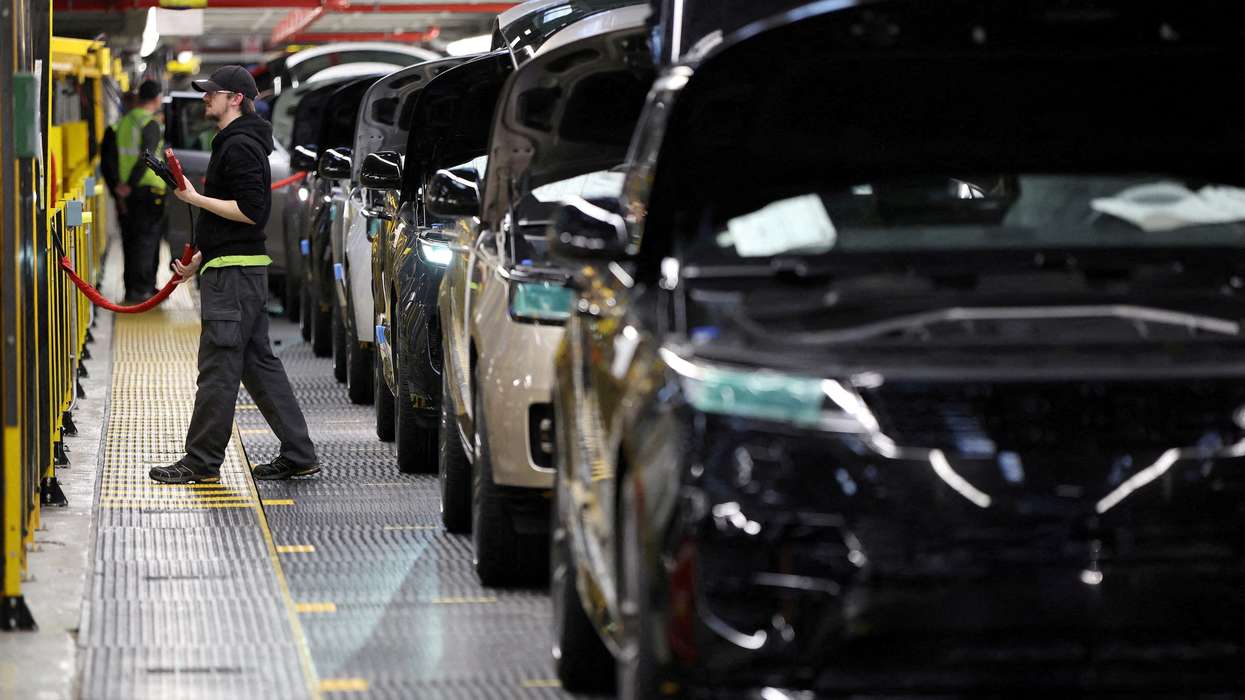
Accell, once one of Europe's largest bicycle manufacturers, owns several brands including Ghost, Lapierre, Haibike, Winora and Babboe. The group had shifted most of its manufacturing to Hungary in recent years in an effort to reduce production costs.
The company was acquired by US private equity firm KKR in a £1.2 billion (€1.4 billion) takeover in 2022, when demand for bicycles was still benefiting from the pandemic cycling boom. However, the market cooled much faster than expected, leaving manufacturers with surplus inventory that had to be cleared through heavy discounting.
Earlier this year, KKR handed control of the business to a group of European banks and investors after its turnaround efforts failed. A proposed takeover by Singapore-based Dutech Holdings, through its subsidiary Tri Star Group, also failed to materialise.
An uncertain future for Raleigh
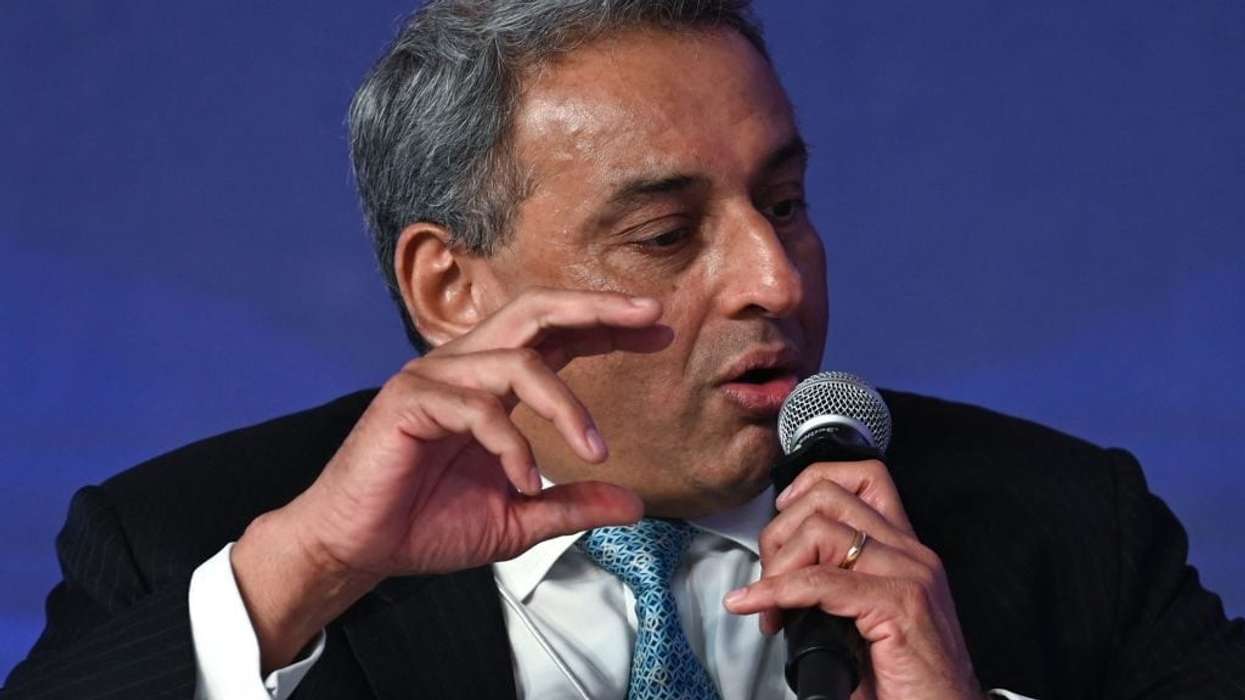
Announcing the insolvency proceedings, Accell Chief Executive Jonas Nilsson described the situation as "deeply sad and frustrating", as quoted in a company statement.
He reportedly said the company had worked extensively to restructure its operations and finances but that "every realistic option" had been explored without finding a viable solution to continue the group in its current form.
Nilsson added that the immediate priority would be to work with court-appointed administrators to preserve viable parts of the business and protect jobs wherever possible.
The insolvency follows a difficult period for Raleigh itself. The company announced redundancies in 2024 and later reported losses of around £30 million, highlighting the financial pressures facing both the brand and the wider cycling industry.
The fate of the Raleigh brand, which still maintains offices in Nottinghamshire, will now depend on the insolvency process. Administrators are expected to assess whether parts of the business or individual brands can continue under new ownership.
The collapse also reflects broader pressures across Europe's bicycle industry. Manufacturers have struggled with weaker consumer demand, rising operating costs and increasing competition from lower-cost Chinese producers, making it harder for long-established brands to remain profitable even as interest in cycling and electric bikes continues to grow.