
A MAJOR public inquiry into the Nottingham attacks will investigate why police failed to conduct drug tests on killer Valdo Calocane following his deadly rampage, the government has confirmed.
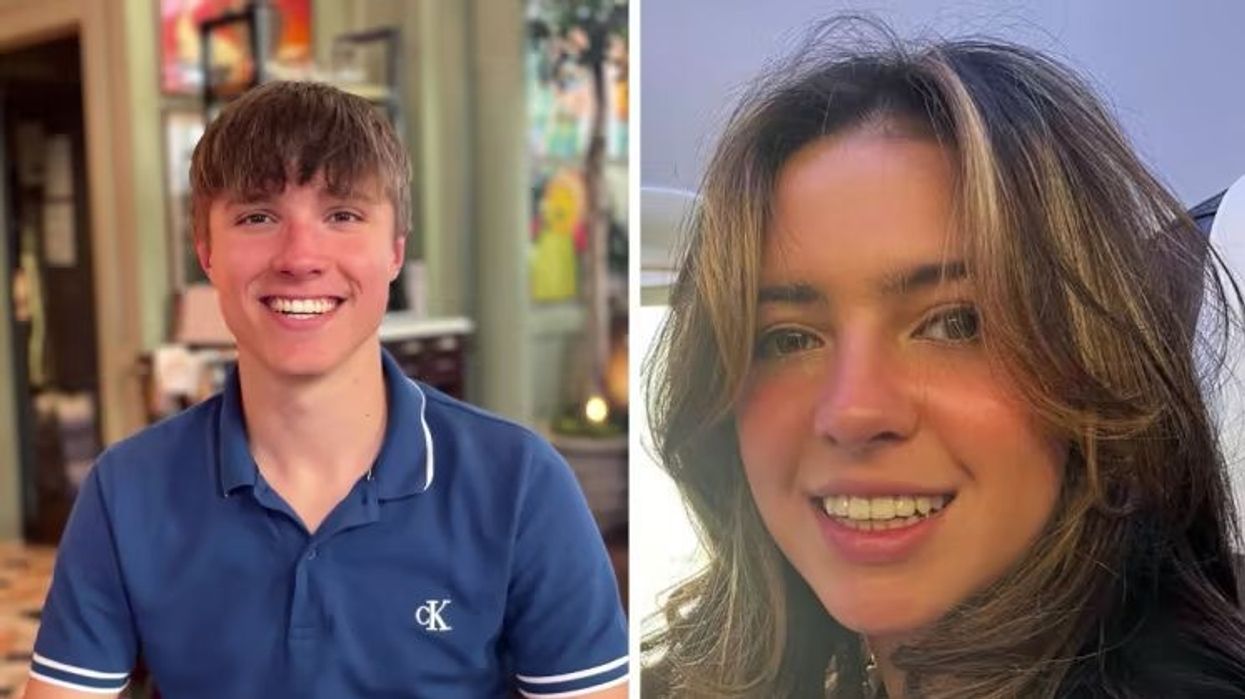
The 33-year-old fatally stabbed university students Barnaby Webber and Grace O'Malley-Kumar, both aged 19, along with school caretaker Ian Coates, 65, before attempting to murder three others in June 2023.
Despite being charged initially with murder, prosecutors accepted a manslaughter plea based on diminished responsibility due to Calocane's paranoid schizophrenia. He received an indefinite hospital order but victims' relatives have consistently questioned the absence of toxicology testing.
The Ministry of Justice announced on Thursday (22) that the inquiry's scope will include examining "any assessment of medical and mental health issues and drug testing, and provision of appropriate medical support" during Calocane's detention, reported The Telegraph.
Fresh details have emerged about Calocane's movements before the killings. The previous evening, he travelled to London where he attended a gathering with a violent, cannabis-using criminal. He then returned to Nottingham by train, wearing all-black clothing and carrying a double-edged knife, before launching his attack in the early morning hours of June 13.
Following his arrest, Calocane refused permission for blood or urine samples to be taken. Crucially, officers also failed to collect hair samples for analysis, despite this being standard procedure.
The inquiry will scrutinise Nottinghamshire Police's forensic approach, including "the lack of toxicology and decisions made with regards to taking samples". It will also examine whether sufficient information was gathered before accepting the diminished responsibility plea.
During sentencing proceedings, Dr Sanjoy Kumar, Grace's father, challenged the absence of drug testing immediately after the murders. Medical experts maintained there was no indication that substance abuse contributed to Calocane's deteriorating mental state.
Senior retired judge Deborah Taylor, who previously sentenced former tennis champion Boris Becker for financial crimes, will lead the investigation. The inquiry is expected to conclude within two years with recommendations to prevent similar tragedies.
The Independent Office for Police Conduct previously found that officers inadequately investigated an earlier assault by Calocane on warehouse staff, which might have prevented the later murders.
The inquiry will also examine alleged unauthorised access to victims' medical records by healthcare workers, which families described as "sickening" and "inexcusable". Three police officers faced disciplinary action for improperly viewing case materials, whilst staff from prison services and court systems also allegedly breached data protection rules.
Lord chancellor Shabana Mahmood said, "The bereaved families and survivors of the Nottingham attacks, who have suffered so much, deserve to know how these horrific incidents were able to happen. I know her honour Deborah Taylor will undertake a fearless and thorough examination of the facts to prevent tragedies like this happening again."
As the second anniversary approaches, victims' families plan to return to Nottingham to commemorate their loved ones.
Barnaby's mother, Emma Webber, criticised local authorities' lack of support, saying: "Whatever it takes, for as long as it takes, we will ensure justice is served, and all of those who failed will be held fully to account."