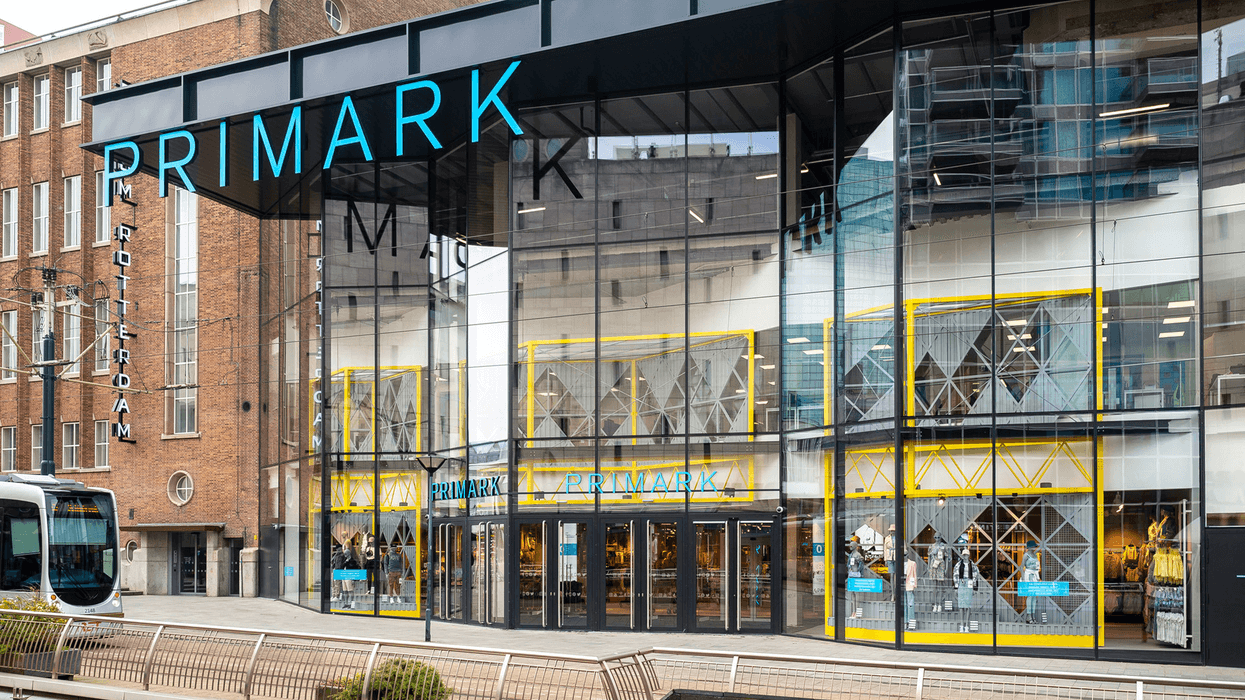

- Primark has bought an automated fulfilment facility in Sheffield ahead of its first home delivery service in Britain.
- The retailer previously resisted delivery because picking, packing and shipping costs threatened its low-price model.
- The move comes as Primark prepares to separate from Associated British Foods and pursue new sources of growth.
Primark built its name on cheap clothes and high-street stores, but one part of modern retail it deliberately stayed away from was delivering those bargains to customers’ doors. That is now changing.
The retailer is preparing to introduce home delivery in Great Britain for the first time, after years of arguing that the costs of picking, packing and shipping individual orders made a full online operation difficult to reconcile with its low-price proposition.
The move was revealed by parent company Associated British Foods (ABF), which said it had acquired an automated fulfilment facility in Sheffield. Primark has not yet given a date for the launch, saying only that home delivery will be introduced “in the future”.
The decision suggests that the economics of online retail may have changed enough for Primark to reconsider a position it held for years.
Why Primark changed its mind
Primark has not suddenly become an online retailer. It launched its website in 2022 and began allowing customers in parts of Britain to order around 2,000 products through click and collect. Its mobile app, launched earlier this year, has further shifted the business towards digital shopping.
Click and collect gave Primark an important advantage: customers could browse and order online while the company avoided the full cost of sending individual parcels to homes.
Home delivery is much more complicated. Every order has to be picked from a warehouse, packed and transported, creating costs that can be particularly difficult for a retailer selling relatively inexpensive products.
That was one reason Primark had resisted following the rest of the high street online.
Now, however, the company says its digital progress and changes in the online market have created “the opportunity for profitable growth through the home delivery channel”.
The Sheffield facility will be important to that calculation. Automation can help the retailer process orders at scale, potentially reducing some of the labour and handling costs involved in fulfilling individual purchases.
George Weston, chief executive of ABF, said Primark had “made significant progress in building its digital capabilities” and would continue expanding both click and collect and home delivery.
“Our priority focus areas, the UK and womenswear, continued to outperform our other markets and categories,” Weston said.
That matters because Primark's UK business is currently proving more resilient than some of its overseas operations. ABF expects UK and Ireland sales to have risen 0.4 per cent in its latest quarter, while continental European sales fell 4.3 per cent.
The £9bn question
Primark is making this digital shift at a particularly important moment for the business.
ABF is preparing to separate Primark from its food operations, a demerger expected to create two independent FTSE 100 companies. Primark could be valued at as much as £9bn, according to analyst estimates.
As a standalone company, Primark will need to demonstrate that it can continue growing beyond simply opening more physical stores.
Online shopping offers one potential route.
But there is a catch. Primark's competitive advantage has always been closely linked to value. Customers are willing to visit its busy stores because they can find inexpensive clothes without paying a premium for the shopping experience.
Delivery introduces a cost that the traditional Primark model largely avoids.
If a customer buys a £10 item online, the economics of picking, packaging and transporting that single item can look very different from selling it in a shop. Primark therefore needs its fulfilment operation to be efficient enough for delivery to add revenue without forcing prices upwards.
That is why the company's description of home delivery as “incremental and profitable growth” is significant.
The test for Primark is not simply whether customers will order clothes online. It is whether the retailer can make the entire process work without turning the low prices that built its brand into the very thing that online delivery makes harder to maintain.
For a company preparing to stand on its own, that could prove just as important as getting the parcels to customers’ doors.