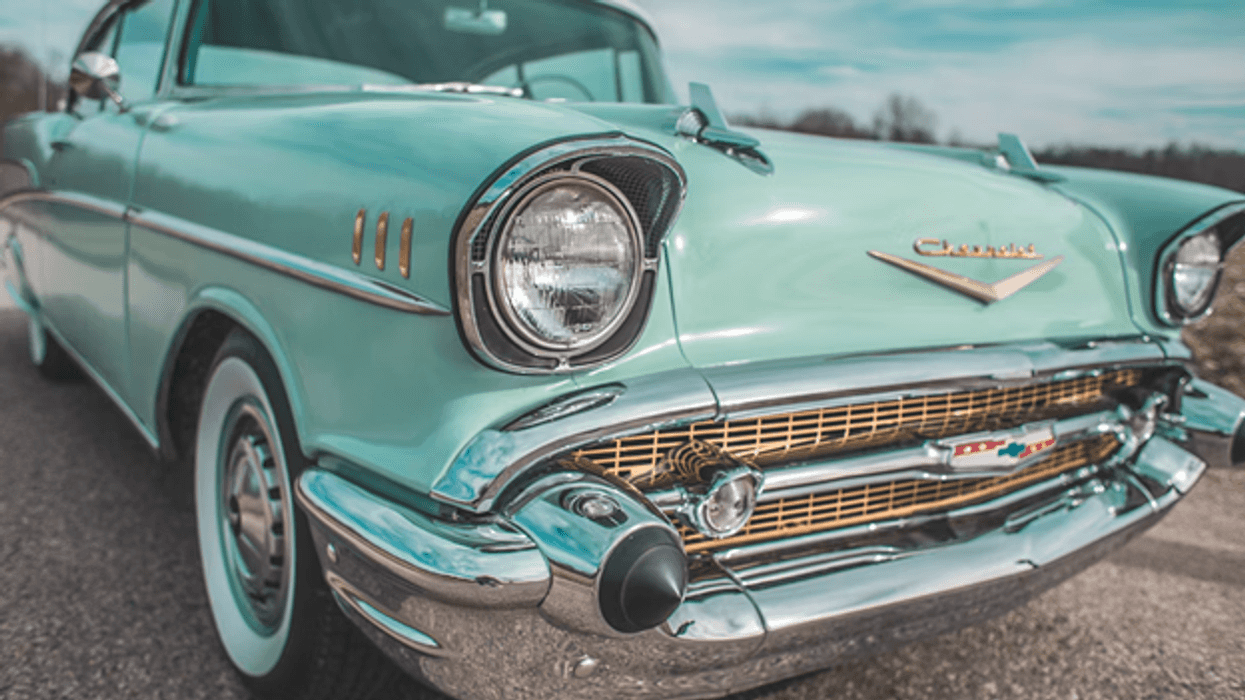

A family car can carry decades of memories along with its passengers. The marks on a dashboard, a faded dealership badge and a folder of handwritten service notes may connect younger relatives with people and places they know through family stories.
Keeping such a vehicle requires more than occasional polishing. Owners need to understand its history, maintain aging components and protect it against avoidable damage. Careful documentation also helps the next custodian appreciate what makes the car special.
Emotional Value Meets Mechanical History
An inherited car has two histories. One is personal, shaped by holidays, weddings and ordinary weekend drives. The other is mechanical, recorded through repairs, replacement parts and changes in ownership. Preserving both gives future family members a clearer picture of what they have received.
Start by gathering anything connected with the vehicle. Registration documents, receipts, old photographs, owner’s manuals and correspondence can reveal details that memories alone may miss. Scan fragile paperwork and save copies in at least two secure locations. Keep the originals in acid-free folders away from damp areas, direct sunlight and large changes in temperature.
Record family memories as well. A short interview with an older relative can establish who bought the car, why they chose that model and where it took the family. One account of a classic family heirloom shows how a vehicle’s meaning grows through continued family use and shared recollection.
Treat these records with the same care as photographs, jewelry and other inherited objects. Guidance on heirloom conservation emphasizes understanding an object’s condition before deciding how to preserve it.
Create a dated condition report for the car, including photographs of the body, cabin, engine bay and identifying marks. Repeat this once a year. The resulting record will show gradual changes and help mechanics distinguish long-standing features from recent problems.
Maintaining Aging Mechanical Parts
Arrange a detailed inspection before putting an inherited vehicle into regular use. Long periods of storage can affect rubber hoses, seals, tires, electrical connections and fluid systems even when the recorded mileage is low. A mechanic familiar with the specific make and period can identify materials or components that require special handling.
Build a maintenance schedule from the owner’s manual, service records and the mechanic’s findings. Calendar time matters as much as distance traveled. Fluids can absorb moisture, rubber can harden and fuel can deteriorate while a car remains stationary. Record every inspection, fluid change and replacement part with the date, mileage and supplier.
Consistent classic car maintenance also supports long-term value. Small faults often become expensive when ignored. A minor fluid leak may damage surrounding materials, while corrosion around an electrical connection can produce intermittent failures that are difficult to diagnose later.
Avoid replacing original components automatically. If a part can be safely rebuilt, that option may preserve more of the vehicle’s character. Ask the specialist to explain the safety, reliability and authenticity implications before work begins. Store any removed original parts in labeled boxes, even if they are no longer usable, since they can provide useful reference details.
Take the car on suitable drives after servicing instead of leaving it inactive for months. A 20 to 30-minute run allows systems to reach normal operating temperature. Note unusual smells, noises or changes in handling immediately and avoid driving again until any serious concern has been checked.
Proper Protection for Prized Heritage
Store the car in a dry, ventilated and secure space. A waterproof outdoor cover may trap condensation against paintwork if airflow is poor, so choose a breathable, correctly fitted cover and inspect beneath it regularly. Inside a garage, keep the floor dry and leave enough room to open doors without striking shelves or walls.
Clean dirt, bird residue and road salt promptly because each can damage finishes. Use products suited to the car’s materials, especially on older paint, wood trim, leather and chrome. Test unfamiliar cleaners on a hidden area first. If the vehicle has known leaks, place absorbent material below it and arrange a repair instead of relying on a permanent drip tray.
Insurance should reflect the car’s age, condition, use and agreed value. Owners in the UK can enquire about car insurance with Lancaster Insurance when comparing specialist cover for classic, vintage or niche vehicles. Read the terms carefully, including storage expectations, annual mileage limits, valuation requirements and rules concerning named drivers.
Keep current photographs, maintenance invoices and an independent valuation where appropriate. These records can support an accurate description of the car and reduce uncertainty if its condition or value needs to be established.
Security deserves similar attention. Check garage locks, control access to keys and avoid leaving ownership documents inside the vehicle. If you use a battery conditioner or other powered storage equipment, inspect cables regularly and follow the manufacturer’s instructions. Practical protection should preserve the car without introducing new moisture, electrical or fire risks.
Passing Down the Passion to Youth
Young relatives are more likely to value an heirloom when they take part in its care. Give them manageable tasks suited to their age, such as organizing photographs, checking tire pressures with supervision or entering service information into a digital log. Explain what each task achieves so the routine has meaning.
Share stories during a short drive or maintenance day. Point out physical details connected to those accounts, such as a repaired seat from a long family holiday or a dashboard mark visible in an old photograph. Discussions about tomorrow’s family heirlooms show that sentimental value often develops through the stories attached to everyday objects. This story of a family's sentimental journey in a vintage MG YT offers a heartwarming example of how a cherished vehicle can bring different generations together through shared experiences.
Let younger family members contribute their own memories too. Add photographs from a local show, a graduation trip or a first supervised lesson in basic car care to the archive. The record then continues to grow instead of ending with the previous owner’s generation.
Families should also discuss future responsibility openly. Identify who has the interest, time, storage space and financial ability to care for the vehicle. Write down the location of keys, records, spare parts and specialist contacts. Clear instructions can prevent an inherited car from being sold quickly because no one understands its history or upkeep.
The most meaningful handover may happen long before ownership changes. When a young relative learns how to check the records, spot a new leak and retell the story behind a worn patch of upholstery, the car’s future starts to look far more secure.
This article is paid content. It has been reviewed and edited by the Eastern Eye editorial team to meet our content standards.






 iStock