
Today, the production of metal parts begins with design and precise machining, but none of this would be worthwhile without proper surface protection. That's why the question of powder coat vs. epoxy paint is increasingly relevant when choosing a finishing technology.
- What is powder coating and which is better for metal?
- Powder coating vs epoxy paint – what should manufacturers consider?
- What is the environmental impact of powder coating and epoxy coating?
Both methods have specific properties, but perform well under slightly different conditions. Here, we'll take a closer look at their comparison.
What is powder coating and which is better for metal?
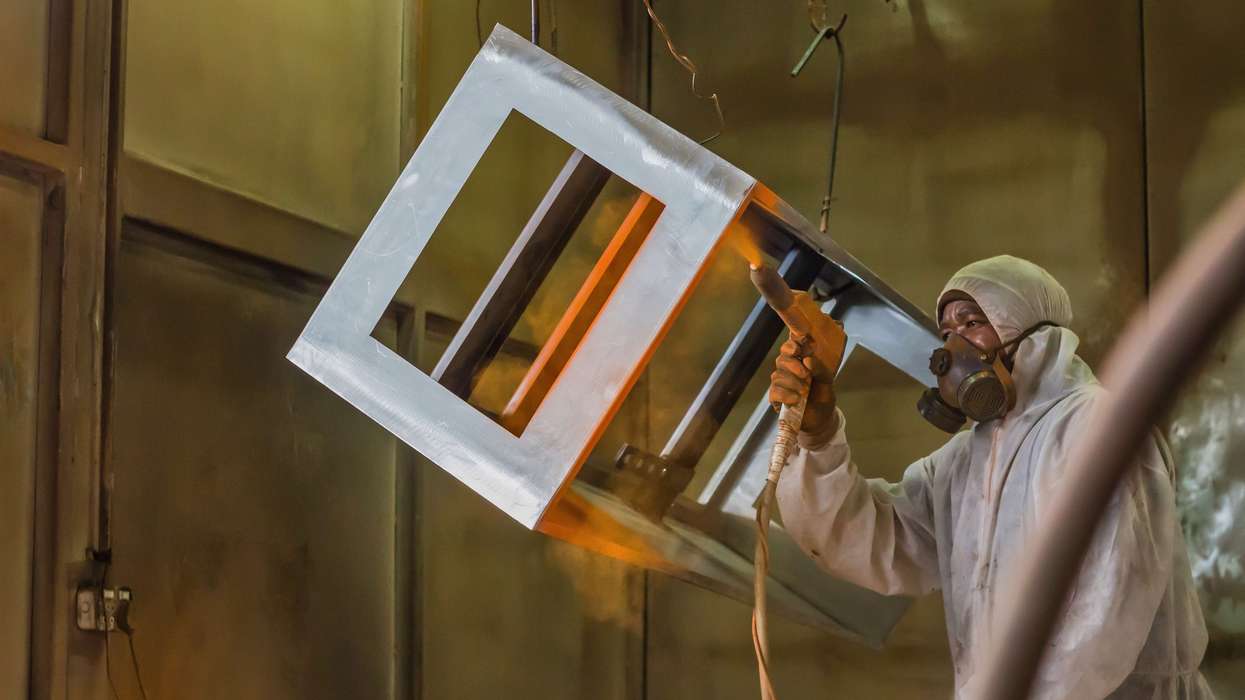
Before we go any further, let's recap what powder coating is: applying dry powder to a properly prepared, usually grounded, metal surface, which is then cured at high temperature. This should result in a uniform, durable layer.
Importantly, powder coating is particularly interesting where high mechanical resistance, an aesthetic finish, and a wide selection of colors and textures are required.
It's important to distinguish between standard powder coating and epoxy solutions, as the properties of a specific coating depend on its composition and application. More information about the differences between epoxy powder coating and traditional powder coating can be found at: https://www.electrispower.com/blog/epoxy-powder-coating-how-does-it-differ-from-ordinary-powder-coating-and-what-are-its-uses. This valuable knowledge can help you make the best decision.
Powder coating vs epoxy paint – what should manufacturers consider?
Where to begin? When comparing powder coat vs. epoxy paint, it's crucial to consider the operating conditions of the component.
Epoxy paint can be applied to many types of surfaces, even in situations where oven curing is difficult. This is crucial for large structures or production requiring a flexible approach to application. Powder-coated surfaces, on the other hand, offer a durable finish and good resistance to mechanical damage.
So how do you choose? In short: if repeatability and the ability to quickly coat multiple components are key, powder coating can be a practical solution. However, if the component is too large, cannot be heated, or requires local repair, epoxy paint may be easier to apply.
What is the environmental impact of powder coating and epoxy coating?
Finally, we must mention one more thing: the environmental impact. In the case of powder coating, powder that doesn't settle on the surface during application can be recovered and reused in certain systems. The technology also doesn't require the use of traditional liquid solvents in the same way as traditional paints. This is a significant advantage in this context.
However, this doesn't mean that every powder coating automatically has a lower environmental impact. Ultimately, manufacturers should consider coating as part of the entire product life cycle. The final choice should depend on the material's properties, operating conditions, finish requirements, and the technical capabilities of the specific application. All of this is important.
This article is paid content. It has been reviewed and edited by the Eastern Eye editorial team to meet our content standards.