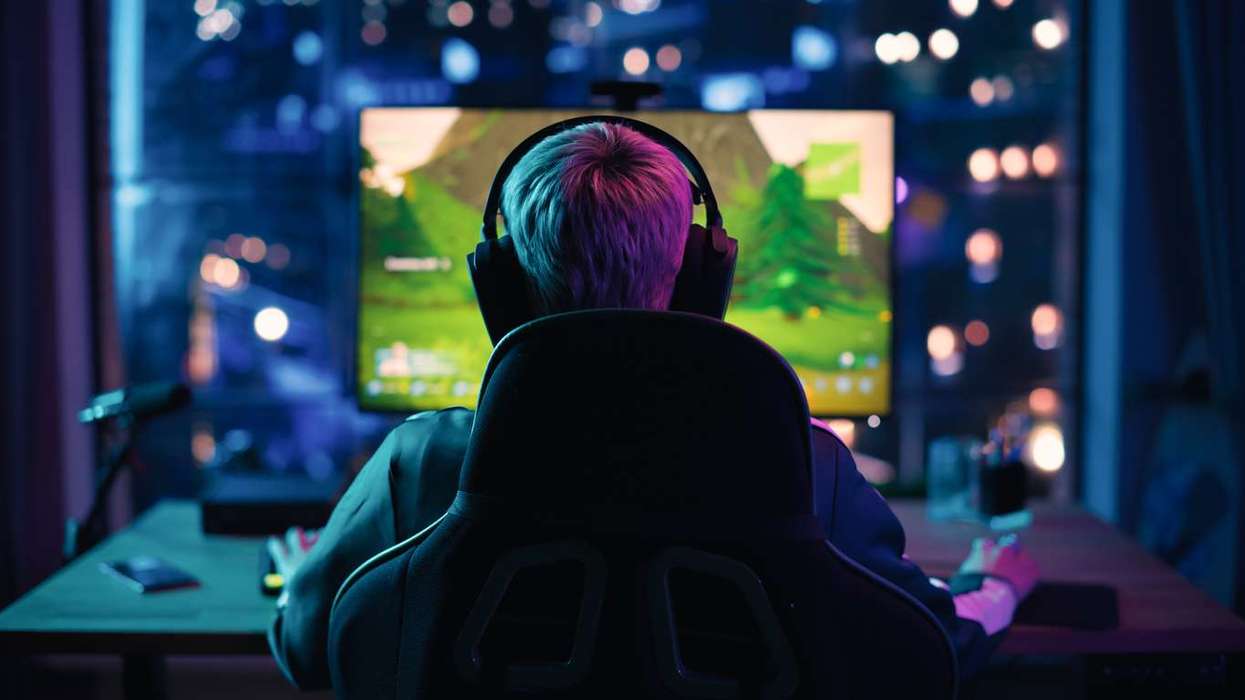

Right now, tens of thousands of people around the world are watching a handful of elite teams play the same video game around the clock, refreshing live trackers and tuning into streams the way others follow a cup final. The event is called the Race to World First, and it is one of the clearest examples of how modern gaming has quietly become a spectator sport with a global audience. The latest edition is unfolding this week inside World of Warcraft, and it is worth understanding even if you have never played the game.
What the Race to World First Actually Is
World of Warcraft, the long-running online game from Blizzard Entertainment, periodically releases a raid: an enormous, intricate challenge designed for a coordinated team of players to tackle together. Each raid ends with a final boss of extraordinary difficulty, and clearing it on the hardest setting demands near-perfect teamwork.
The Race to World First is the competition to be the very first team on the planet to defeat that final boss on the top difficulty. There is no official prize pot handed out by the game's makers. What is at stake is prestige, the bragging rights of being first in the world, and the enormous live audiences that now follow the chase. Top teams treat it with the seriousness of a professional sporting event, playing in shifts for well over twelve hours a day, sometimes for a week or more, until the boss finally falls.
The Current Race: Into the Venomous Abyss
The race currently gripping the community centres on a new raid called The Venomous Abyss, released as part of World of Warcraft's latest update. It is an eight-boss gauntlet that ends in a confrontation with Ula'tek, an ancient serpent-like force of corruption, in her inner sanctum. To win, a team must fight through all eight encounters and defeat her before anyone else in the world.
As is tradition, the contest has come down to a small group of legendary teams. Team Liquid, widely regarded as the strongest competitive raiding team in the game's history, is chasing yet another victory. Method, the team often credited with turning these races into a livestreamed spectacle more than a decade ago, is matching them boss for boss. And Echo, Liquid's great rival, is pushing hard just behind them. As of the middle of this week, the leaders were neck and neck, most of the way through the raid, with the final showdown against Ula'tek still to come. By the time you read this, one of them may already have claimed the win, which is precisely what makes following it live so compelling.
Why So Many People Watch Other People Play
To anyone outside gaming, the idea of watching other people play a video game can sound baffling. But it is really no different from watching any sport. You do not need to be a professional footballer to be thrilled by a World Cup final, and you do not need to play World of Warcraft to appreciate the drama of a team attempting something monstrously difficult under pressure, live, with the whole world watching.
The appeal is the human story. There are heroic last-second recoveries, exhausting overnight grinds, clever strategies invented on the fly, and heartbreak when a team comes agonisingly close and fails. Streaming platforms have turned these moments into shared cultural events, and the personalities involved into genuine celebrities. It is the same instinct that has always drawn crowds to sport, simply expressed through a new medium.
A Sign of How Big Gaming Has Become
Events like this are a reminder that gaming is no longer a niche hobby. It is the largest entertainment industry in the world, bigger than film and music combined, with a global audience that spans every age and background.
As the scene has matured, an entire economy has grown up around it, much as it has around traditional sport. There are professional teams, coaches, analysts, commentators, and services such as WoW boost aimed at everyday players who want help reaching the same content the professionals make look effortless. It is the natural sign of a pastime that millions of people now take seriously, the same way football grew its own vast industry over the decades.
The Bottom Line
The Race to World First will not make front-page news the way a major sporting final does, at least not yet. But it draws hundreds of thousands of live viewers, it produces genuine drama and genuine heroes, and it captures something important about how we entertain ourselves now. A generation raised with a controller in hand does not simply play games. It watches them, follows them, and celebrates them, exactly as earlier generations did with sport. And somewhere in the world this week, a team of players is about to make history by being the first to slay a digital serpent goddess, with a global audience cheering them on.
This article is paid content. It has been reviewed and edited by the Eastern Eye editorial team to meet our content standards.