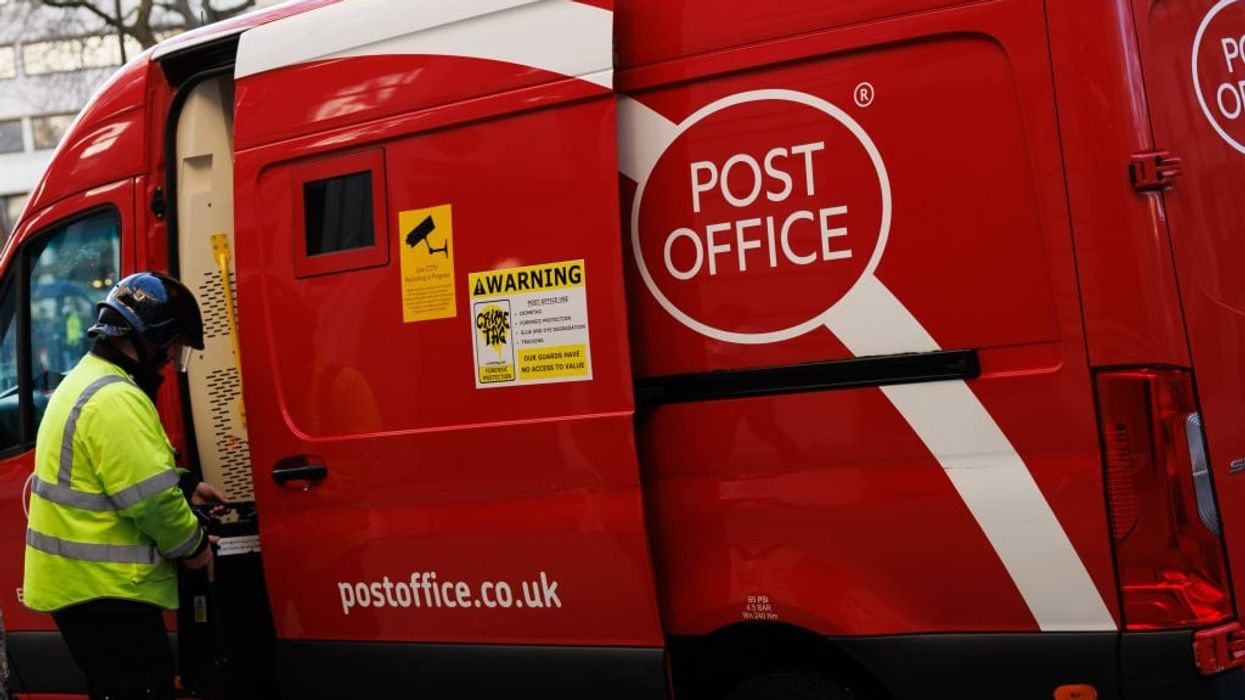

THE Post Office engaged in a campaign of “deception and threats” against the BBC to suppress crucial evidence related to the Horizon scandal, the broadcaster reported.
Hundreds of sub-postmasters wrongly prosecuted between 1999 and 2015, in a scandal described as the greatest miscarriage of justice in the UK. An ITV drama broadcast last week has brought the issue back into the news.
Fujitsu created the Horizon IT system that resulted in some 700 local post office managers being wrongly convicted for theft and false accounting between 1999 and 2005.
The deceitful tactics unfolded in the lead-up to a 2015 BBC Panorama broadcast, which featured an interview with Fujitsu whistleblower Richard Roll. A former insider, Roll exposed how accounts on the Horizon system could be covertly altered.
This revelation later played a crucial role in a 2019 High Court ruling that acknowledged bugs in the system could lead to errors, potentially clearing the wrongly accused postmasters.
During this period, the Post Office resorted to intimidation tactics, sending threatening letters to experts interviewed by the BBC and spreading false information, the BBC report said.
Senior Post Office managers briefed the BBC, falsely asserting that neither their staff nor Fujitsu could remotely access sub-postmasters' accounts, contradicting warnings issued four years prior.
Post Office PR boss Mark Davies is said to have fired off complaints to senior managers at the BBC, and expensive external lawyers were hired with public money to send letters threatening to sue Panorama.
"There is overwhelming evidence that the losses complained of were caused by user actions, including deliberate dishonest conduct," Davies had said earlier. But these were proved wrong later.
Despite these attempts to obstruct the truth, the Panorama programme was aired, albeit with a delayed broadcast. Documents submitted to the ongoing public inquiry revealed that Post Office senior management “celebrated” this delay as a small victory, the BBC report claimed.






 Curator Emma Slocombe with ikat robes and arabachi coats in the Peter the Great Room in Blickling Hall Amit Roy
 View of the entrance to Blickling Hall on a rainy autumn dayAmit Roy
 Kente cloth from Ghana in the Long Gallery in Blickling Hall
 Decoration in the Great Hall at Blickling Hall Amit Roy
 Palampore fragment made in coastal south-east India in the Brown Room in Blickling Hall Amit Roy
 Bed valance dating from early 1700s in the Italian Print Room at Blickling Hall Amit Roy
 Indian inspired fabric draped on sofas in the South Drawing Room in Blickling Hall Amit Roy
 Indian inspired fabric draped on sofas in the South Drawing Room with Indian carpet in Blickling Hall Amit Roy
 Karun Thakar has picked out the geometric patterns in the bookcase and the Kente cloth in the Long Gallery in Blickling Hall Amit Roy
 Large tapestry depicting Peter the Great defeating the Swedish army at the Battle of Poltava in 1709 Amit Roy
 ikat robes and arabachi coats in the Peter the Great Room in Blickling Hall Amit Roy
 Baghs and kanthas made by women provide contrast to the men only portraits in the Great Hall at Blickling Hall Amit Roy
 Baghs and kanthas in the entrance Great Hall at Blickling Hall Amit Roy
 Baghs and Kanthas in the Great Hall in harmony with stained glass window at Blickling Hall Amit Roy
 Kimonos reflect Japanese influence in Upper Ante Room in Blickling Hall Amit Roy
 Kimono in Upper Ante Room in Blickling Hall
 A view of the Palace and fort at Agra shows romantic side of India Amit Roy
 Blickling Hall Amit Roy
 Table carpet, European 1670-1680 Amit Roy
 Unfinished 17th century Italian embroidery in the Print Room at Blickling Hall Amit Roy
 Picture of Kashmir shows a romantic view of India Amit Roy
 A panel of Ashburnham bed hangings made in Gujarat for sale in Europe in the Brown Room in Blickling Hall Amit Roy
 Colcha made in the 1600s by women in Bengal for the Portuguese market in the Long Gallery at Blickling Hall Amit Roy





