
Skip to content
Search

Latest Stories

Submit Guest Post

Pakistan proposes swap of dissidents for grooming gang leaders: Reports

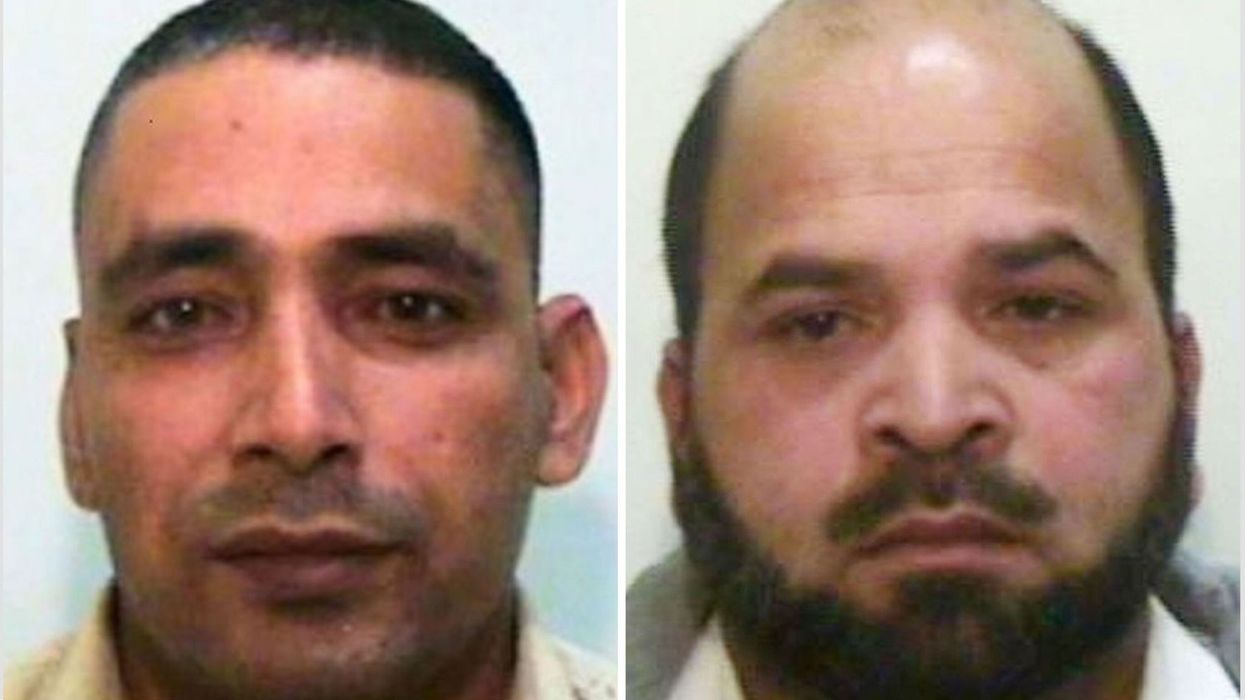
According to reports, Pakistan formally suggested the UK extradite Shahzad Akbar and Adil Raja, in return for Islamabad accepting convicted British-Pakistani offenders Adil Khan, 55, and Qari Abdul Rauf, 56.

grooming gang

Khan and Rauf were jailed in 2012 as ringleaders of a nine-man gang of Asian men who sexually assaulted 47 girls in Rochdale.

PAKISTAN has drawn criticism after claims it proposed taking back two grooming gang leaders in exchange for the UK returning political dissidents.

According to reports, Pakistan formally suggested the UK extradite Shahzad Akbar and Adil Raja, in return for Islamabad accepting convicted British-Pakistani offenders Adil Khan, 55, and Qari Abdul Rauf, 56.


The proposal was said to be the focus of a closed-door meeting on Thursday between Pakistan’s interior minister Mohsin Naqvi and Britain’s high commissioner Jane Marriott, The Telegraph reported.

Khan and Rauf were jailed in 2012 as ringleaders of a nine-man gang of Asian men who sexually assaulted 47 girls in Rochdale. Both held dual British-Pakistani citizenship, which was later revoked.

Although a judge ordered their deportation to Pakistan nearly a decade ago, they renounced their Pakistani citizenship before a court appeal, arguing they would be left “stateless”.

Despite multiple rejected appeals, they remain in the UK because Pakistan has refused to accept them.

Reports in Pakistan said Islamabad is prepared to issue travel documents for Khan and Rauf if Akbar and Raja are handed over. Akbar served in Imran Khan’s government and Raja, a former army major, has criticised Pakistan’s military regime, The Telegraph reported.

The Home Office and Foreign Office declined to comment, citing confidentiality. Chris Philp said the UK should not agree to such a deal. Paul Waugh said the offenders should be removed from Rochdale.

Raja told The Telegraph the move was “politically motivated” and said: “My only ‘offence’ is practising journalism.”


Add EasternEye As Your Trusted Source
preferred source on google news

More For You

NHS

Sensitive transplant information was sent through a pager system that NHS Blood and Transplant has now stopped using

Getty Images

NHS still had a 1980s problem hiding inside its modern patient data systems

  • Names, dates of birth and organ information were sent to transplant teams.
  • NHS Blood and Transplant has reported the breach to the Information Commissioner’s Office.
  • The NHS in England was told in 2019 to stop using pagers by 2021.

NHS has admitted that sensitive medical data belonging to transplant patients was routinely sent over an unencrypted pager network, exposing a problem that sits somewhere between outdated technology and modern data protection.

An investigation by the BBC found that NHS Blood and Transplant (NHSBT) was sending patient names, dates of birth and information about organs being offered or required to hospital transplant teams using pagers. NHSBT has since stopped sending patient information through the system and reported the incident to the Information Commissioner’s Office.

Keep ReadingShow less